Technology and Analytics: In today’s fast-paced digital world, businesses face immense pressure to make informed decisions quickly, optimize operations, and stay ahead of competitors. Two critical pillars that empower organizations to achieve these goals are technology and analytics. While technology provides the tools and platforms to process vast amounts of data, analytics transforms this data into actionable insights, guiding strategic decisions.
This article explores the role of technology and analytics in modern businesses, their practical applications, benefits, challenges, and strategies for leveraging them effectively.
Understanding Technology and Analytics
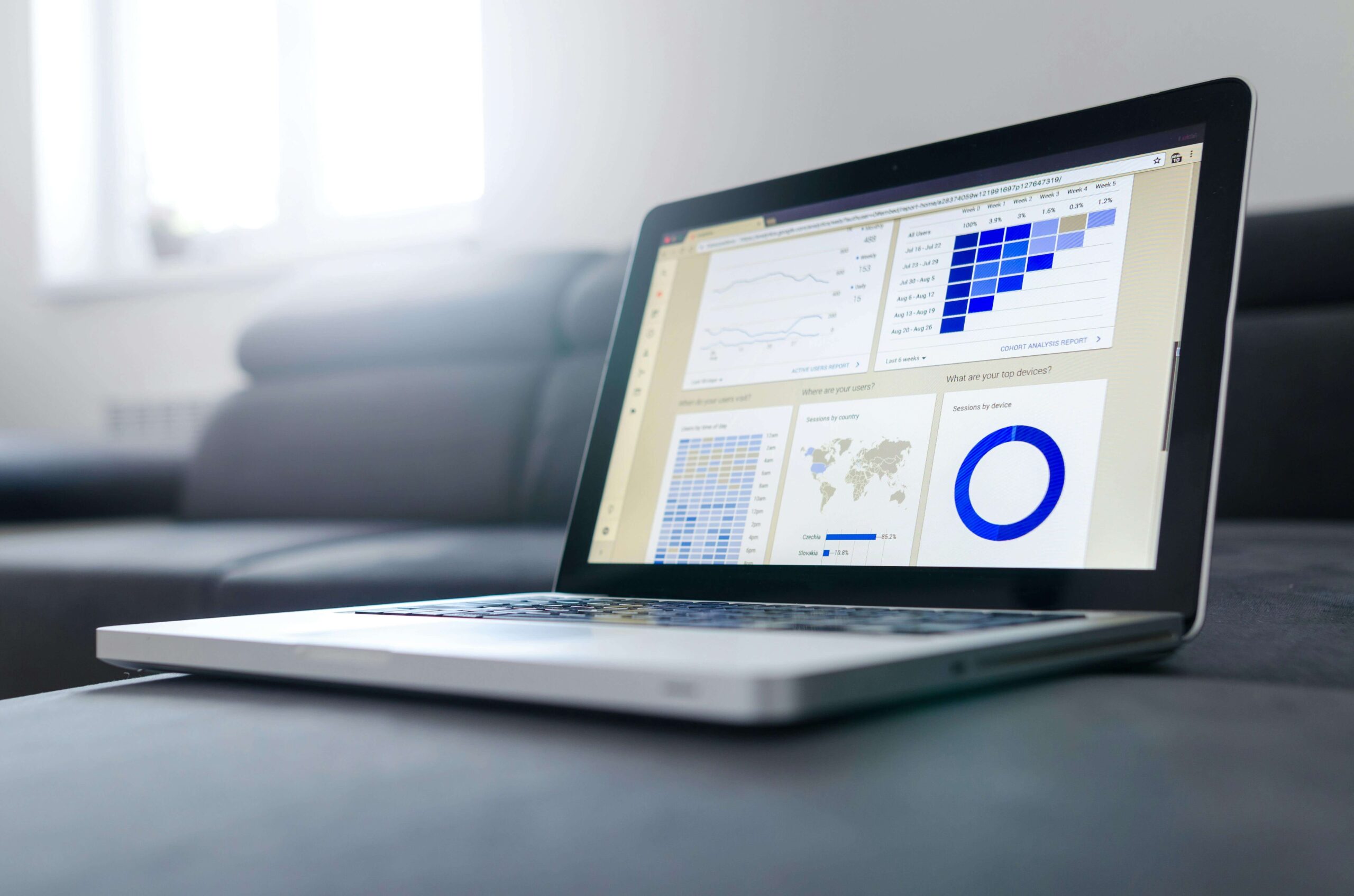
Technology in Business
Technology refers to the tools, platforms, and systems that organizations use to operate, communicate, and innovate. This includes:
- Cloud computing
- Artificial Intelligence (AI) and Machine Learning (ML)
- Internet of Things (IoT) devices
- Enterprise Resource Planning (ERP) systems
- Mobile and web applications
These technologies streamline operations, automate tasks, and enable organizations to collect and store vast amounts of data efficiently.
Analytics in Business
Analytics involves examining data to discover patterns, identify trends, and make data-driven decisions. There are several types of analytics:
- Descriptive Analytics – Understand what happened in the past. Example: Monthly sales reports.
- Diagnostic Analytics – Understand why something happened. Example: Analyzing the cause of a drop in customer satisfaction.
- Predictive Analytics – Forecast future trends. Example: Predicting customer churn or market demand.
- Prescriptive Analytics – Recommend actions to achieve desired outcomes. Example: Suggesting optimal inventory levels.
When combined, technology and analytics empower organizations to operate efficiently, anticipate challenges, and innovate with confidence.
The Importance of Technology and Analytics
Technology and analytics are no longer optional—they are essential for businesses seeking to remain competitive. Here’s why:
1. Informed Decision-Making
Analytics turns raw data into insights, allowing leaders to make evidence-based decisions rather than relying on intuition. This leads to more accurate forecasting, strategic planning, and risk management.
2. Improved Operational Efficiency
Technology automates repetitive tasks, while analytics identifies inefficiencies in processes. Together, they help organizations optimize workflows, reduce costs, and increase productivity.
3. Enhanced Customer Experience
By analyzing customer data, businesses can understand preferences, behaviors, and feedback. Technology then enables personalized communication, product recommendations, and seamless service delivery.
4. Innovation and Competitive Advantage
Technology provides the platforms for innovation, while analytics identifies opportunities. Organizations that leverage both can develop new products, enter new markets, and adapt quickly to changing trends.
5. Risk Management and Compliance
Analytics helps identify potential risks, fraud, or compliance issues. Technology ensures data security, regulatory adherence, and continuous monitoring of critical systems.
How Technology and Analytics Work Together
The integration of technology and analytics creates a powerful ecosystem where data drives business strategy. Here’s how they complement each other:
1. Data Collection and Storage
Technology enables businesses to collect data from multiple sources, including customer interactions, transactions, social media, and IoT devices. Cloud platforms and databases store this data securely and efficiently.
2. Data Processing and Cleaning
Analytics requires high-quality data. Technology tools clean, organize, and structure data so it can be analyzed accurately.
3. Pattern Recognition and Insights
Analytics platforms use AI and ML algorithms to detect patterns, predict trends, and generate insights from data. These insights inform decision-making across departments.
4. Actionable Implementation
Technology allows organizations to implement recommendations derived from analytics. For example, marketing automation platforms can execute targeted campaigns based on customer behavior analysis.
5. Continuous Feedback Loop
Analytics continuously evaluates the effectiveness of strategies, and technology enables real-time adjustments, creating a dynamic feedback loop for continuous improvement.
Practical Applications of Technology and Analytics

1. Marketing and Customer Insights
Analytics helps businesses understand customer behavior, segment audiences, and predict buying patterns. Technology tools like CRM systems, marketing automation, and AI-driven recommendation engines implement these insights for personalized marketing campaigns.
2. Supply Chain Optimization
Technology provides real-time tracking of inventory and shipments, while analytics predicts demand, identifies bottlenecks, and recommends optimal inventory levels. This reduces costs and ensures timely deliveries.
3. Financial Management
Financial analytics leverages technology to process large volumes of transaction data, detect anomalies, forecast revenue, and optimize budgets. AI-powered algorithms also help detect fraud and ensure regulatory compliance.
4. Human Resources and Talent Management
HR analytics uses data to assess employee performance, predict turnover, and optimize workforce planning. Technology platforms streamline recruitment, onboarding, and training processes.
5. Product Development
Analytics identifies market trends, customer preferences, and potential gaps. Technology supports rapid prototyping, testing, and scaling of new products based on these insights.
6. Healthcare
Technology and analytics improve patient care by analyzing medical records, predicting health risks, and enabling telemedicine. AI-driven analytics can assist in diagnostics, treatment recommendations, and operational efficiency in hospitals.
Benefits of Technology and Analytics
- Data-Driven Decision-Making – Decisions are backed by insights rather than assumptions.
- Cost Reduction – Automation and efficiency improvements reduce operational costs.
- Revenue Growth – Targeted strategies and personalized experiences increase sales and customer loyalty.
- Improved Agility – Businesses can quickly adapt to market trends and disruptions.
- Enhanced Innovation – Insights from analytics guide product development and business strategy.
- Better Risk Management – Predictive analytics reduces risks and enhances compliance.
Challenges in Implementing Technology and Analytics
Despite the benefits, organizations face several challenges:
1. Data Silos
Data stored in multiple, disconnected systems can limit the effectiveness of analytics. Integration is critical.
2. Data Quality
Incomplete, inaccurate, or outdated data can lead to misleading insights. Organizations must prioritize data governance and cleaning processes.
3. High Implementation Costs
Advanced analytics platforms and technologies require significant investment, both financially and in terms of skilled personnel.
4. Talent Shortage
There is a growing demand for data scientists, AI specialists, and analytics professionals, which can be difficult to meet.
5. Security and Privacy Concerns
Handling sensitive data requires robust cybersecurity measures and compliance with privacy regulations like GDPR.
Strategies for Successful Technology and Analytics Adoption
- Develop a Clear Data Strategy – Define objectives, data sources, and key metrics.
- Invest in Scalable Technology – Use cloud-based platforms and AI-powered analytics tools.
- Ensure Data Quality – Implement data governance policies and continuous monitoring.
- Upskill Your Workforce – Train employees in data literacy, analytics tools, and AI technologies.
- Focus on Integration – Break down data silos and ensure systems communicate effectively.
- Measure and Iterate – Continuously evaluate analytics outcomes and refine technology strategies.
The Future of Technology and Analytics

The synergy between technology and analytics will continue to grow in importance. Emerging trends include:
- AI-Driven Decision-Making – Algorithms making real-time business decisions.
- Predictive and Prescriptive Analytics – Moving from descriptive insights to actionable recommendations.
- IoT and Big Data Integration – Combining sensor data with analytics for real-time insights.
- Automation and Robotic Process Automation (RPA) – Technology executing decisions suggested by analytics.
- Edge Computing Analytics – Processing data closer to the source for faster insights.
Organizations that embrace these trends will be more agile, efficient, and competitive in a rapidly evolving digital landscape.
Conclusion
Technology and analytics are no longer optional—they are essential tools for modern businesses. Technology provides the infrastructure to collect, store, and process vast amounts of data, while analytics transforms this data into actionable insights that drive decisions, optimize operations, and enhance customer experiences.
From marketing and supply chain management to finance, HR, and healthcare, the combination of technology and analytics empowers organizations to innovate, reduce costs, and maintain a competitive edge.
While challenges such as data quality, integration, and talent shortages exist, strategic planning, investment in scalable technology, and a focus on continuous improvement can help organizations maximize the benefits of technology and analytics.
In the digital age, businesses that leverage technology and analytics effectively will not only survive—they will thrive, adapting to change, anticipating market trends, and leading their industries into the future.