Smart Farming
Artificial Intelligence (AI) is transforming industries worldwide, and agriculture is no exception. As the global population continues to grow, the demand for food production is increasing rapidly. Farmers are under pressure to produce more crops using fewer resources while facing climate change, water shortages, and rising costs. This is where Artificial Intelligence in smart farming plays a crucial role.
AI-powered technologies are helping farmers improve productivity, reduce waste, and make data-driven decisions. In this article, we will explore how artificial intelligence is reshaping agriculture, its applications, benefits, challenges, and the future of smart farming.
What Is Smart Farming?
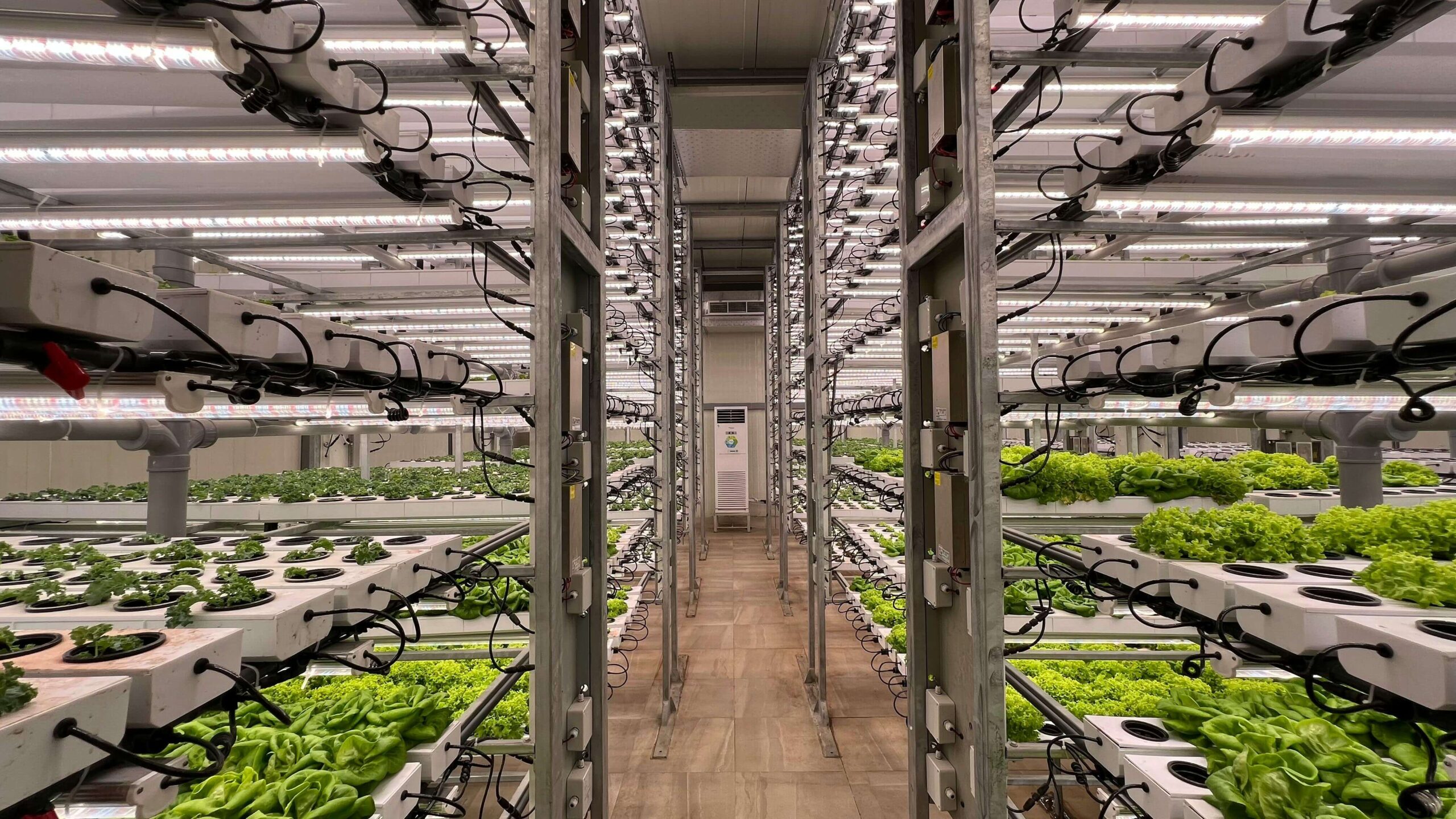
Smart farming refers to the use of modern technologies such as AI, Internet of Things (IoT), drones, sensors, and data analytics to improve agricultural practices. AI acts as the brain behind these systems, analyzing data and providing actionable insights.
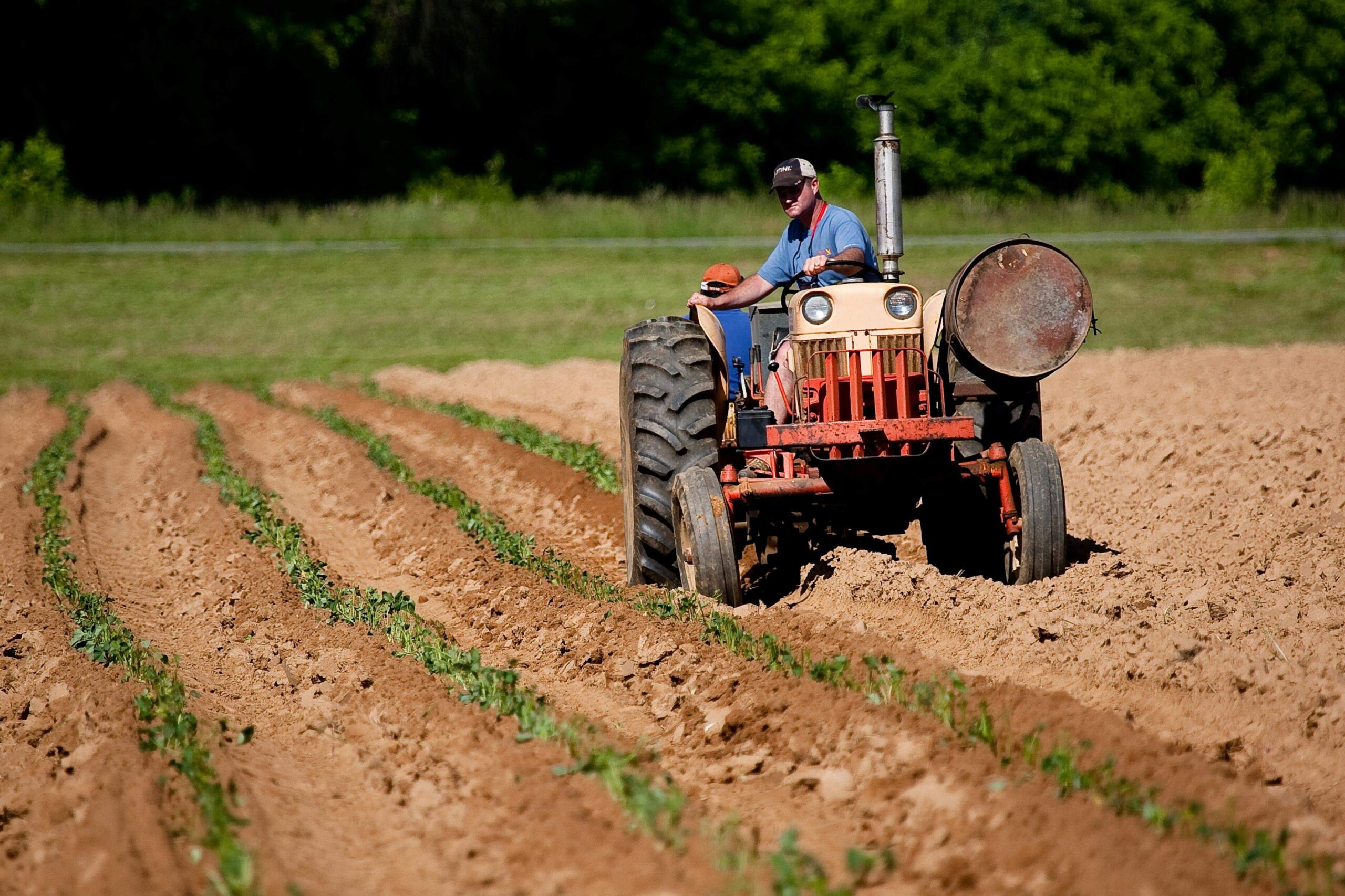
Unlike traditional farming methods that rely heavily on manual observation and experience, AI-driven farming uses real-time data to optimize crop management, irrigation, pest control, and harvesting.
Why Artificial Intelligence Is Important in Agriculture
Agriculture faces several major challenges:
- Climate change and unpredictable weather
- Soil degradation
- Water scarcity
- Labor shortages
- Rising production costs
AI helps address these issues by enabling precision farming. It allows farmers to monitor crops at a micro-level and apply resources only where needed.
This leads to higher yields, lower costs, and sustainable farming practices.
Key Applications of Artificial Intelligence in Smart Farming
1. Precision Agriculture
Precision agriculture is one of the most important applications of AI in farming. AI systems analyze data from satellites, drones, and soil sensors to determine the exact needs of crops.
Farmers can:
- Apply fertilizers precisely
- Control irrigation efficiently
- Detect nutrient deficiencies
- Reduce chemical overuse
Companies like John Deere are integrating AI into farming equipment to improve field efficiency and productivity.
2. AI-Powered Drones
Drones equipped with AI and computer vision can monitor crop health from above. They capture high-resolution images and detect:
- Crop diseases
- Pest infestations
- Water stress
- Weed growth
These drones provide early warnings, allowing farmers to take immediate action before damage spreads.
3. Smart Irrigation Systems
Water is one of the most valuable resources in agriculture. AI-powered irrigation systems use weather data, soil moisture levels, and crop requirements to determine when and how much water to supply.
This prevents water waste and ensures optimal crop growth.
4. Predictive Analytics for Crop Yield
AI uses historical data, weather forecasts, and soil information to predict crop yields. Farmers can plan better for storage, distribution, and market demand.
This reduces financial risk and improves supply chain management.
Companies like IBM have developed AI platforms that help farmers make informed agricultural decisions.
5. Disease and Pest Detection
AI systems can identify plant diseases through image recognition technology. Farmers simply upload a photo of affected crops, and AI analyzes it to detect the disease and recommend treatment.
Early detection prevents widespread crop loss and reduces pesticide use.
6. Autonomous Farming Equipment
Self-driving tractors and AI-powered harvesters are becoming more common in modern agriculture. These machines:
- Operate with minimal human intervention
- Reduce labor costs
- Increase precision
- Work efficiently even at night
Companies such as John Deere are leading innovation in autonomous farming technology.
7. Livestock Monitoring
AI is also transforming livestock management. Smart sensors monitor animal health, behavior, and feeding patterns.
Farmers receive alerts if:
- An animal shows signs of illness
- Feeding habits change
- Movement patterns indicate stress
This improves animal welfare and increases productivity.
Benefits of Artificial Intelligence in Smart Farming
Increased Crop Yield
AI ensures that crops receive the right nutrients, water, and care at the right time, leading to higher productivity.
Reduced Resource Waste
Smart farming reduces excessive use of water, fertilizers, and pesticides, making agriculture more sustainable.
Cost Efficiency
Although initial investment may be high, AI reduces long-term operational costs by improving efficiency.
Data-Driven Decisions
Farmers no longer rely only on intuition. AI provides accurate insights based on real-time data.
Environmental Sustainability
By optimizing resource use, AI minimizes environmental impact and promotes eco-friendly farming practices.
Challenges of AI in Smart Farming
Despite its advantages, AI adoption in agriculture faces some challenges.
High Implementation Costs
Small-scale farmers may struggle to afford AI-powered equipment and software.
Lack of Technical Knowledge
Farmers need training to use AI tools effectively. Without proper education, technology may not be fully utilized.
Internet Connectivity Issues
Smart farming often requires reliable internet access, which may not be available in rural areas.
Data Privacy Concerns
As farms become data-driven, concerns about data ownership and security arise.
Real-World Examples of AI in Agriculture
Several global organizations are investing in agricultural AI solutions.
- IBM – Developed AI platforms for weather forecasting and crop analytics.
- John Deere – Uses AI for precision farming equipment.
- Microsoft – Offers cloud-based AI tools for agricultural data analysis.
These companies are driving innovation and making smart farming more accessible worldwide.
The Future of Artificial Intelligence in Smart Farming
The future of AI in agriculture looks promising. Emerging trends include:
- AI-powered robots for fruit picking
- Advanced soil health monitoring systems
- Climate-resilient crop planning
- Integration with blockchain for supply chain transparency
- Real-time farm management dashboards
As AI technology becomes more affordable and accessible, adoption will increase across developing and developed countries alike.
Governments and private organizations are also investing in agricultural innovation to ensure food security for future generations.
Impact on Global Food Security
With the world population expected to reach nearly 10 billion by 2050, food production must increase significantly. AI-powered smart farming can help meet this demand sustainably.
By improving efficiency and reducing waste, AI ensures that more food is produced using fewer natural resources.
This is essential for combating hunger and ensuring global food stability.
Conclusion
Artificial Intelligence in smart farming is transforming agriculture into a data-driven, efficient, and sustainable industry. From precision agriculture and AI-powered drones to autonomous machinery and predictive analytics, smart farming technologies are improving productivity and reducing environmental impact.
Companies like John Deere and IBM are leading innovation in this space, helping farmers adapt to modern challenges.
While obstacles such as cost and technical barriers remain, the long-term benefits of AI in agriculture are undeniable. As technology continues to evolve, smart farming will play a vital role in feeding the world and securing a sustainable future.
Artificial Intelligence is not just improving farming—it is redefining the future of agriculture.