Organizational Culture: In today’s competitive business environment, technical skills and strategy alone are not enough to ensure success. One critical factor that distinguishes high-performing companies from the rest is organizational culture. Often described as the “personality” of a company, organizational culture shapes how employees interact, make decisions, and approach challenges. It influences productivity, employee satisfaction, innovation, and overall business performance.
This article explores what organizational culture is, why it matters, types of organizational culture, strategies to build a positive culture, challenges, and its impact on modern businesses.
What Is Organizational Culture?
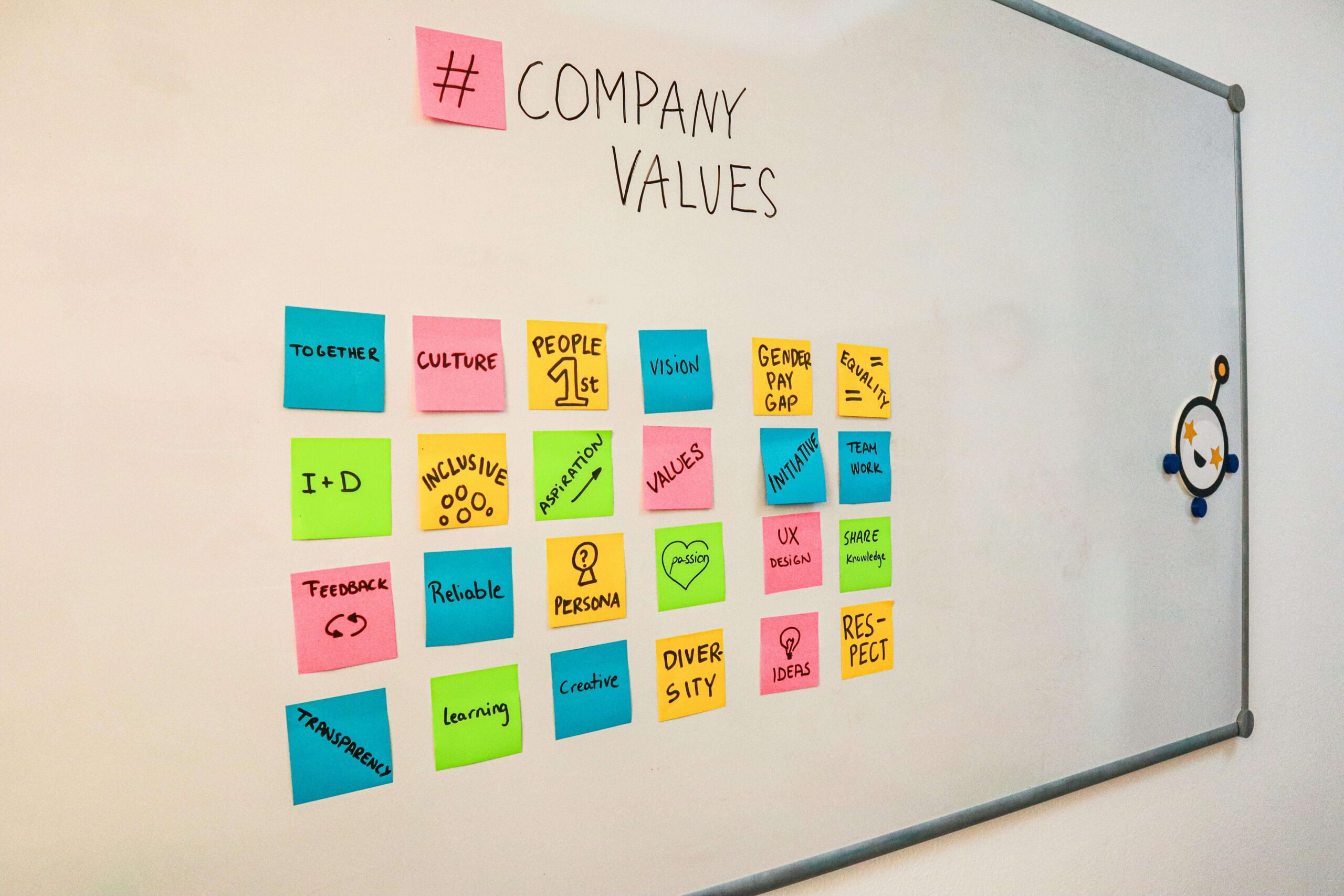
Organizational culture refers to the shared values, beliefs, attitudes, and practices that define how employees behave and interact within a company. It is the invisible force that shapes the workplace environment, decision-making processes, and employee engagement.
Key elements of organizational culture include:
- Core Values – Fundamental principles that guide behavior and decision-making.
- Norms and Practices – Daily routines, communication styles, and ways of working.
- Symbols and Rituals – Company logos, awards, traditions, or celebrations that reinforce culture.
- Leadership Style – How leaders communicate, make decisions, and inspire employees.
A strong organizational culture aligns employees with the company’s mission, creating cohesion and a sense of purpose.
Why Organizational Culture Matters
Organizational culture has a profound impact on business success. Here’s why it matters:
1. Drives Employee Engagement
Employees are more motivated and committed when they feel aligned with the company’s values. A positive culture fosters loyalty, reduces turnover, and enhances job satisfaction.
2. Encourages Collaboration and Teamwork
A culture that promotes open communication and mutual respect encourages collaboration. Teams work more effectively when trust and shared understanding exist.
3. Supports Innovation
Organizations with a culture that encourages experimentation and learning are more likely to innovate. Employees feel safe to share ideas, take calculated risks, and pursue creative solutions.
4. Enhances Productivity
A well-defined culture establishes clear expectations and norms, reducing confusion and conflict. Employees can focus on achieving goals efficiently.
5. Strengthens Brand Reputation
Culture influences how employees interact with customers, partners, and stakeholders. A positive culture enhances brand image and builds trust.
6. Facilitates Change Management
During periods of organizational change, a strong culture can guide behavior and align employees toward new goals, making transitions smoother.
Types of Organizational Culture
Organizational culture can take many forms, and understanding its type helps leaders manage and influence it effectively. Some common types include:
1. Clan Culture
- Focuses on collaboration, mentorship, and employee development.
- Leadership is supportive and participative.
- Example: Companies that operate like a family, prioritizing loyalty and engagement.
2. Adhocracy Culture
- Encourages innovation, creativity, and risk-taking.
- Flexible and dynamic, often found in startups or tech companies.
- Example: Companies that thrive on new ideas and rapid innovation.
3. Market Culture
- Emphasizes results, competition, and achievement.
- Performance-driven, with a focus on meeting targets and outperforming competitors.
- Example: Sales-driven organizations or high-growth businesses.
4. Hierarchy Culture
- Structured, with clear roles, procedures, and rules.
- Stability, efficiency, and predictability are valued.
- Example: Government agencies, banks, or manufacturing firms.
Building a Positive Organizational Culture

Creating a strong, positive culture requires deliberate effort and commitment from leadership. Here are strategies to build and maintain a healthy organizational culture:
1. Define Clear Values and Mission
Articulate the organization’s purpose, values, and vision. Employees should understand what the company stands for and how their work contributes to broader goals.
2. Lead by Example
Leaders set the tone. When executives demonstrate integrity, transparency, and respect, employees are more likely to emulate these behaviors.
3. Foster Open Communication
Encourage employees to share ideas, concerns, and feedback. Open communication channels reduce misunderstandings and build trust.
4. Recognize and Reward Positive Behavior
Acknowledging achievements reinforces desired behaviors. Recognition programs, awards, and promotions can strengthen cultural values.
5. Encourage Collaboration and Teamwork
Promote cross-functional teams, knowledge sharing, and cooperative problem-solving. A collaborative environment enhances creativity and engagement.
6. Support Employee Growth
Offer training, mentorship, and development programs. When employees see opportunities for growth, they are more motivated and loyal.
7. Promote Diversity and Inclusion
Inclusive workplaces respect differences and leverage diverse perspectives. This fosters innovation, empathy, and a sense of belonging.
Challenges in Managing Organizational Culture
While a strong culture provides numerous benefits, organizations may face challenges in building or sustaining it:
1. Resistance to Change
Employees accustomed to old habits may resist cultural shifts, especially during mergers, restructuring, or digital transformation.
2. Misalignment Between Leadership and Employees
If leadership communicates one set of values but behavior differs, employees may feel disconnected or skeptical.
3. Cultural Erosion in Rapid Growth
As companies scale quickly, maintaining consistent cultural values becomes difficult, especially with remote or global teams.
4. Balancing Flexibility and Structure
Organizations must balance flexibility to innovate with enough structure to ensure stability and accountability.
5. Measuring Culture
Culture is intangible, making it hard to quantify. Regular surveys, feedback mechanisms, and performance metrics are necessary to evaluate effectiveness.
The Role of Technology in Shaping Organizational Culture
Technology is increasingly influencing organizational culture in multiple ways:
- Remote Work Tools – Platforms like Zoom, Microsoft Teams, and Slack enable collaboration and communication, fostering a culture of connectivity even in distributed teams.
- HR Analytics – Tools analyze employee engagement, satisfaction, and performance, helping leaders identify cultural strengths and weaknesses.
- Knowledge Sharing Platforms – Internal social networks and collaboration tools encourage information sharing and innovation.
- Learning Management Systems (LMS) – Support continuous learning and professional development, reinforcing a culture of growth.
By integrating technology thoughtfully, organizations can maintain and strengthen culture across diverse teams.
Real-World Examples of Strong Organizational Culture
1. Google
Google’s culture emphasizes innovation, creativity, and collaboration. Employees are encouraged to experiment, share ideas, and pursue projects that align with the company’s mission.
2. Zappos
Zappos prioritizes employee happiness, customer service, and strong core values. The company invests in cultural training and celebrates behaviors that reflect its values.
3. Netflix
Netflix promotes a culture of freedom and responsibility. Employees are given autonomy but held accountable for results, fostering innovation and accountability.
4. Southwest Airlines
Southwest Airlines focuses on teamwork, employee engagement, and customer service excellence, contributing to high employee loyalty and strong brand reputation.
The Future of Organizational Culture

Organizational culture is evolving with the rise of technology, globalization, and changing workforce expectations. Key trends shaping culture include:
- Remote and Hybrid Work – Companies must adapt cultural practices to maintain engagement and collaboration across locations.
- Employee Wellbeing – Mental health, work-life balance, and wellness initiatives are increasingly central to culture.
- Diversity, Equity, and Inclusion (DEI) – Inclusive cultures drive innovation, attract talent, and enhance performance.
- Agility and Innovation – Organizations emphasize flexibility, experimentation, and continuous learning to remain competitive.
- Data-Driven Culture – Analytics guides decision-making, performance evaluation, and continuous improvement.
Conclusion
Organizational culture is the backbone of successful businesses. It influences employee behavior, engagement, innovation, and overall performance. Companies with strong, positive cultures enjoy higher productivity, better employee retention, and stronger brand reputation.
Building and maintaining a healthy culture requires clear values, effective leadership, open communication, recognition, and support for employee growth. While challenges exist, leveraging technology, fostering diversity, and promoting continuous learning can help organizations sustain a thriving culture.
In the modern business environment, organizational culture is not just an intangible asset—it is a strategic tool that drives success, growth, and long-term sustainability. Companies that invest in cultivating a strong culture are better equipped to navigate change, inspire their workforce, and achieve excellence in an increasingly competitive world.