Mobile and Wireless Technology: Mobile and wireless technology has become an essential part of modern life. In today’s digital world, people rely heavily on smartphones, wireless internet, and communication networks to stay connected. From sending messages and making calls to browsing the internet and managing businesses online, mobile and wireless technology has transformed the way people communicate and access information. Over the past few decades, this technology has evolved rapidly and continues to shape the future of communication, education, healthcare, and many other industries.
Understanding Mobile Technology

Mobile technology refers to the devices and systems that allow people to communicate and access digital services while on the move. Smartphones, tablets, and other portable devices are common examples of mobile technology. These devices enable users to perform many tasks that previously required computers or physical offices.
Modern smartphones combine multiple technologies in a single device. They provide internet access, GPS navigation, cameras, social media platforms, and thousands of mobile applications that help users manage daily activities. Mobile technology has made it easier for people to stay informed, work remotely, and connect with others across the world.
One of the most significant advantages of mobile technology is convenience. People can communicate instantly regardless of their location. This convenience has improved productivity in both personal and professional environments.
What Is Wireless Technology?
Wireless technology refers to communication systems that transmit data without using physical cables or wires. Instead, these systems use radio signals, infrared signals, or satellite connections to send information between devices.
Common examples of wireless technology include Wi-Fi, Bluetooth, mobile networks, and satellite communication. These technologies allow devices to connect with each other and exchange information quickly and efficiently.
Wireless technology plays a crucial role in modern communication networks. It allows users to connect to the internet in homes, offices, public spaces, and even remote locations. Without wireless technology, many of the conveniences of modern life would not be possible.
Evolution of Mobile and Wireless Technology
Mobile and wireless technology has evolved significantly over the years. Early mobile phones were mainly used for voice communication and had limited features. They were large, expensive, and had short battery life.
The introduction of 2G networks enabled text messaging and improved voice quality. Later, 3G technology allowed users to access the internet and multimedia services on their mobile devices.
The development of 4G networks marked a major advancement in mobile technology. With faster internet speeds and better connectivity, users could stream videos, play online games, and use advanced applications on their smartphones.
Today, 5G technology is transforming the digital landscape. It offers extremely fast internet speeds, lower latency, and the ability to connect a large number of devices simultaneously. This advancement supports emerging technologies such as smart cities, autonomous vehicles, and the Internet of Things (IoT).
Applications of Mobile and Wireless Technology
Mobile and wireless technology is used in many industries and sectors. Its applications continue to expand as technology evolves.
Communication
Communication is the most common use of mobile technology. Smartphones allow people to make calls, send messages, participate in video conferences, and interact through social media platforms. These communication tools help individuals maintain personal relationships and conduct business activities efficiently.
Education
Mobile and wireless technology has revolutionized education. Students can access online courses, digital libraries, and educational videos through their smartphones or tablets. Virtual classrooms and e-learning platforms allow students to learn from anywhere in the world.
This technology also helps teachers share learning materials and communicate with students more effectively. As a result, education has become more accessible and flexible.
Healthcare
Wireless technology has improved healthcare services in many ways. Telemedicine allows doctors to consult with patients remotely through video calls and mobile applications. This is especially helpful for patients living in remote areas where medical facilities are limited.
Mobile health applications help users track their fitness, monitor heart rates, and manage medical appointments. These tools encourage healthier lifestyles and improve access to healthcare services.
Business and E-Commerce
Businesses rely heavily on mobile and wireless technology to operate efficiently. Mobile banking, online shopping, and digital payment systems allow customers to complete transactions quickly and securely.
Companies also use mobile apps and wireless communication tools to manage employees, communicate with clients, and monitor operations. This technology has made it easier for businesses to expand their reach and serve customers worldwide.
Entertainment
Mobile devices have become a major source of entertainment. People watch movies, listen to music, play games, and stream live events through their smartphones. Wireless internet connections make it possible to access entertainment content anytime and anywhere.
The growth of mobile entertainment has also created new opportunities for content creators, game developers, and digital marketers.
Advantages of Mobile and Wireless Technology
Mobile and wireless technology offers numerous benefits that improve daily life and business operations.
One major advantage is flexibility and mobility. Users can access information and communicate with others without being tied to a specific location.
Another benefit is increased productivity. Mobile applications allow professionals to manage tasks, attend meetings, and collaborate with teams even while traveling.
Wireless technology also improves connectivity. People in rural or remote areas can access the internet and digital services through wireless networks, reducing the digital divide.
Additionally, mobile technology supports innovation. Developers continuously create new applications and services that enhance user experiences and provide solutions to everyday challenges.
Challenges and Concerns
Despite its many advantages, mobile and wireless technology also presents certain challenges.
One of the main concerns is security and privacy. Wireless networks can be vulnerable to hacking and cyberattacks if proper security measures are not implemented. Protecting personal and financial information has become increasingly important in the digital age.
Another challenge is network reliability. In some areas, weak signals or limited infrastructure can lead to slow internet speeds or connectivity issues.
Excessive use of mobile devices may also affect physical and mental health. Spending too much time on smartphones can lead to eye strain, poor posture, and reduced face-to-face communication.
Environmental concerns also exist because the production and disposal of electronic devices contribute to electronic waste. Sustainable manufacturing and recycling practices are necessary to reduce environmental impact.
Future of Mobile and Wireless Technology
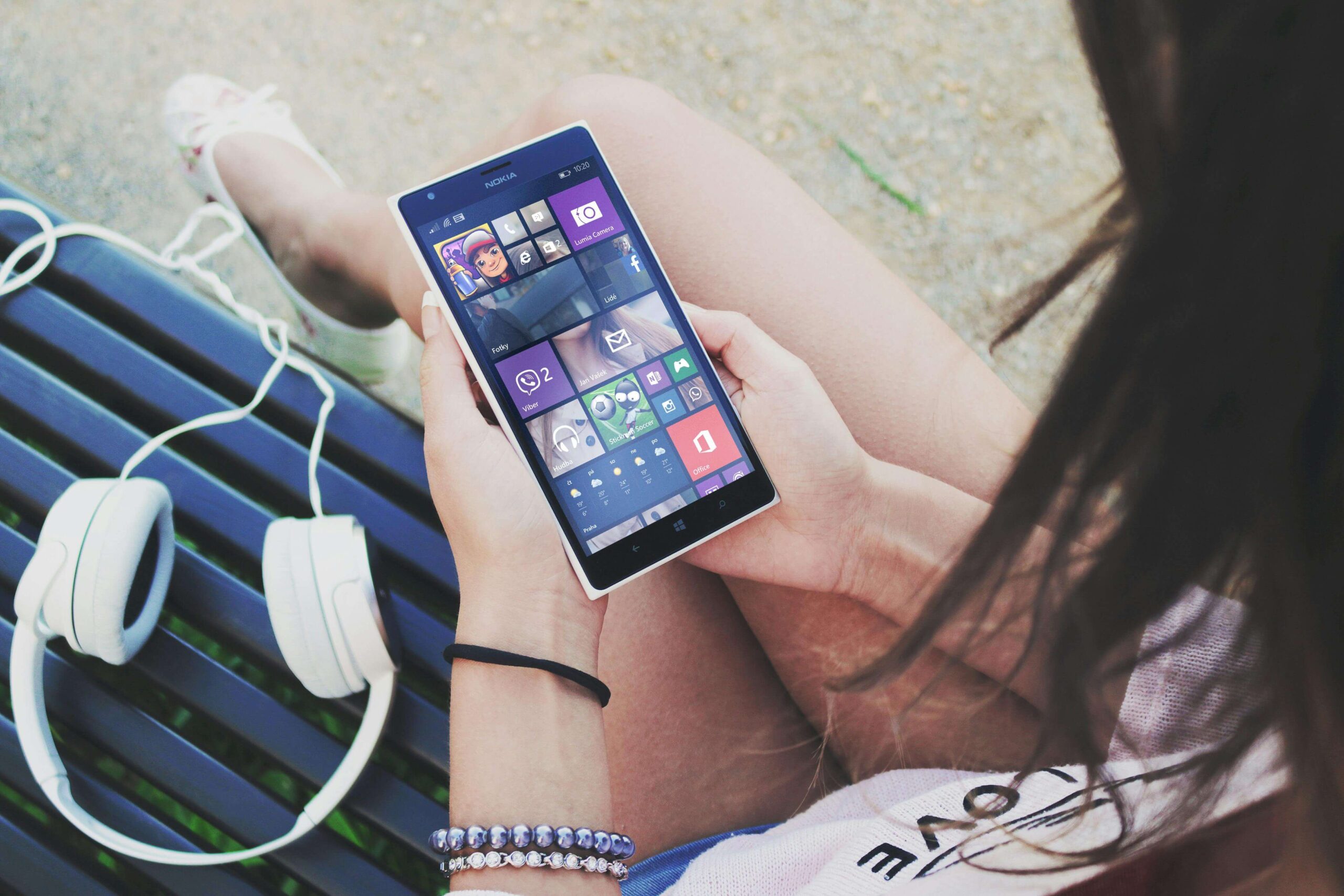
The future of mobile and wireless technology looks very promising. Continuous research and innovation are expected to bring faster networks, smarter devices, and more advanced applications.
Technologies such as artificial intelligence, cloud computing, and the Internet of Things (IoT) will work together with mobile networks to create smarter environments. Smart homes, connected vehicles, and automated industries are becoming more common as wireless connectivity improves.
Future mobile devices may include advanced features such as augmented reality, improved voice assistants, and more powerful processors. These innovations will further enhance user experiences and open new opportunities for businesses and developers.
Additionally, global efforts are being made to expand internet access to underserved areas. This will allow more people to benefit from mobile and wireless technology and participate in the digital economy.
Conclusion
Mobile and wireless technology has transformed the way people communicate, work, learn, and entertain themselves. With the rapid growth of smartphones, wireless networks, and digital services, this technology has become a fundamental part of modern life.
From improving communication and education to supporting healthcare and business operations, mobile and wireless technology offers countless benefits. At the same time, addressing challenges such as security, connectivity, and environmental impact is essential for sustainable development.
As technology continues to evolve, mobile and wireless systems will play an even greater role in shaping the future. By embracing innovation and responsible usage, society can maximize the advantages of this technology while minimizing its challenges. The ongoing development of mobile and wireless technology will continue to connect people, create opportunities, and drive global progress.