hidden rhythms: Artificial Intelligence (AI) has become a ubiquitous part of modern life. From voice assistants like Siri and Alexa to recommendation engines on streaming platforms and online shopping sites, AI quietly shapes our daily routines. Yet, while we notice its convenience, we rarely consider the hidden rhythms behind AI’s influence—patterns in how we interact with technology, how AI adapts, and how these rhythms affect behavior, decision-making, and even culture.
Understanding these hidden rhythms is essential for businesses, researchers, and individuals who want to leverage AI responsibly and effectively. This article explores what these hidden rhythms are, how they emerge, their impact on society, and how awareness of them can help optimize AI use.
Timing is everything

When the researchers zoomed out from Cupid’s handiwork, they also saw more patterns that felt startlingly personal, said Costa Gomes. In the middle of the night, for instance, conversations about religion and philosophy surged. “It’s 3:00 AM and you suddenly have existential questions,” she said. “Most people are probably asleep, so you turn to your AI confidant.”
The biggest surprise for the researchers was “during any time of day, morning or night, health [was] dominant on mobile,” said Costa Gomes. Microsoft AI will continue to study user conversations with Copilot users, she said.
“It’s been interesting to see how we started dumping everything we get from a doctor into a large language model,” Volkmar Uhlig, VP and CTO of Data Platforms at IBM, shared on Mixture of Experts, speaking to how instances of medical-related chats on LLMs have grown. In doing this, Uhlig said, users are able to talk through their health results in a way that might help them confirm or simply better understand their diagnoses. “We are seeing a trend toward using [tools like Copilot] as an expert model.”
The value of these particular patterns stems in part from the size of the dataset. Studies of AI conversations from the likes of Anthropic and OpenAI top out at around 4 to 4.5 million conversations. Microsoft AI’s research team looked at nearly ten times that number of conversations.
What Are Hidden Rhythms in AI Use?
The term hidden rhythms refers to the subtle, often invisible patterns and cycles that govern how we interact with AI systems. These rhythms emerge from the interplay between human behavior and AI algorithms. They manifest in several ways:
- Usage Patterns: Daily, weekly, or seasonal trends in how people interact with AI applications. For instance, streaming platforms may observe higher video consumption in the evenings or weekends.
- Algorithm Adaptation: AI systems adjust based on user interactions, learning preferences, and behavior patterns.
- Feedback Loops: The interaction between AI and users creates loops where AI recommendations influence behavior, which in turn shapes future AI predictions.
In short, hidden rhythms are the natural ebb and flow of AI interactions, often imperceptible to users but powerful in shaping decisions and habits.
How Hidden Rhythms Emerge
These rhythms emerge from the complex dynamics of human behavior, data, and AI algorithms. AI systems collect massive amounts of data from user interactions. This data is then analyzed using machine learning models to identify patterns. Over time, the AI begins to predict and respond to these patterns, reinforcing certain behaviors.
Some common sources of hidden rhythms include:
Daily Life Routines
Most people follow predictable daily routines. AI assistants learn these routines and can suggest actions like reminders, playlist recommendations, or shopping suggestions at optimal times.
Seasonal and Contextual Patterns
AI also detects patterns related to holidays, seasons, and events. Retail AI, for instance, predicts higher demand for gifts during the holiday season and adjusts recommendations accordingly.
Collective Behavior
Mass trends, such as viral content or popular products, create a collective rhythm that AI systems pick up on. Recommendation engines amplify these trends, often creating a self-reinforcing loop.
Examples of Hidden Rhythms in AI Use
Social Media
Platforms like Instagram, TikTok, and Facebook detect the times users are most active. They then optimize the timing of content delivery to maximize engagement. Over time, this creates a rhythm where users log in at predictable times, shaping the platform’s dynamics.
E-Commerce
Online shopping sites track browsing patterns and purchase habits. AI predicts when users are likely to buy certain products, offering discounts or personalized suggestions just in time to influence purchasing decisions.
Healthcare
Wearable devices and AI health apps monitor daily activity, sleep, and heart rate. Hidden rhythms appear in circadian patterns, exercise routines, and sleep cycles. AI uses these patterns to offer personalized health advice and detect anomalies.
Smart Homes
AI-powered smart homes adjust lighting, temperature, and energy usage according to residents’ habits. These rhythms emerge naturally as the AI learns family routines, improving convenience and energy efficiency.
Why Hidden Rhythms Matter

Understanding these hidden rhythms is critical for several reasons:
1. Improved Personalization
By detecting patterns, AI can offer highly personalized experiences. Streaming platforms, online retailers, and health apps can provide recommendations or insights tailored to individual rhythms.
2. Efficient Resource Allocation
For businesses, understanding usage rhythms helps optimize resources, such as server capacity, staffing, and inventory management.
3. Behavioral Insights
Hidden rhythms provide valuable insights into human behavior. Companies, researchers, and policymakers can use these insights to make informed decisions.
4. Early Problem Detection
In healthcare or finance, rhythms can indicate anomalies. For instance, a sudden deviation in sleep patterns detected by a wearable device could signal health issues. Similarly, irregular financial transactions might indicate fraud.
Risks and Challenges of Hidden Rhythms
While AI-driven rhythms offer advantages, they also pose challenges:
1. Behavioral Manipulation
AI can exploit rhythms to influence user behavior. For instance, social media platforms may push notifications or content when users are most likely to engage, potentially leading to addiction or overuse.
2. Bias Reinforcement
If AI learns from historical patterns that contain bias, it may reinforce unfair or harmful cycles. For example, hiring algorithms could favor candidates with profiles similar to those already in the system.
3. Privacy Concerns
Detecting hidden rhythms requires extensive data collection. Without proper safeguards, this can compromise user privacy.
4. Over-Reliance on Patterns
Relying too heavily on AI patterns may reduce human flexibility or creativity. Users may unconsciously adapt to AI suggestions, limiting their choices or exposure to diverse experiences.
How to Leverage Hidden Rhythms Responsibly
To use AI effectively while respecting ethical and practical considerations, organizations and individuals should follow best practices:
1. Ensure Data Transparency
Users should understand what data is collected and how it is used. Transparency builds trust and reduces privacy concerns.
2. Implement Ethical AI Policies
AI systems should avoid exploiting behavioral rhythms in ways that could harm users. Policies should focus on fairness, inclusivity, and avoiding manipulation.
3. Monitor and Audit AI Systems
Regular auditing helps detect biased patterns, errors, or unintended consequences of rhythm-based AI predictions.
4. Encourage Human-AI Collaboration
AI should augment human decision-making rather than replace it. Users should remain aware of AI influence and retain control over important choices.
5. Personalize Without Overstepping
AI can optimize experiences based on rhythms, but personalization should respect user preferences and allow opt-out options.
The Future of Hidden Rhythms in AI
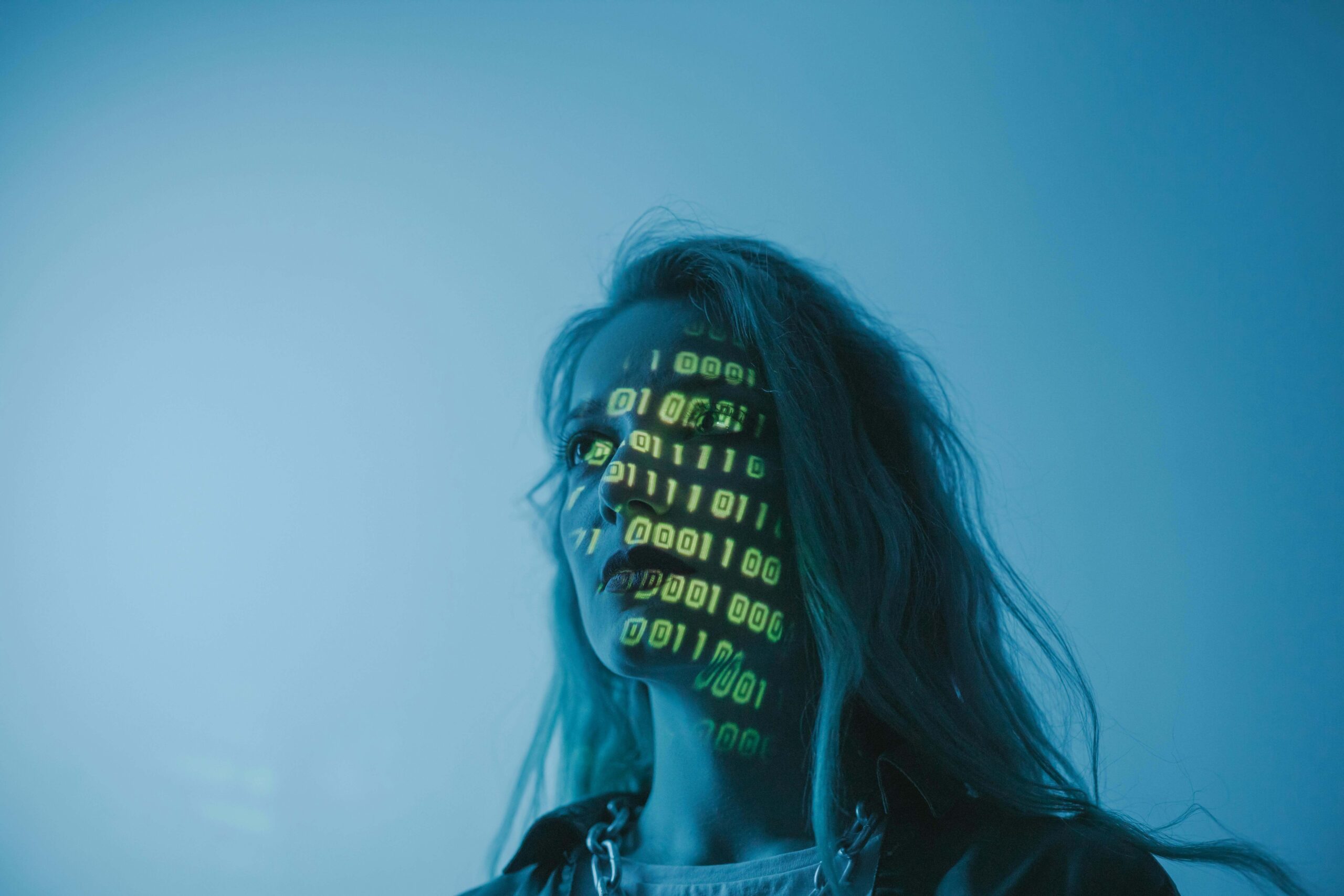
As AI technology advances, hidden rhythms will become more sophisticated. Future AI systems may:
- Detect micro-patterns in user behavior for hyper-personalization
- Anticipate needs before the user is consciously aware of them
- Adapt dynamically to collective trends in society
- Predict long-term shifts in human behavior and market demand
These advancements will make AI more integrated into daily life but will also require careful ethical oversight to ensure responsible use.
Conclusion
Hidden rhythms in AI use reveal the subtle ways technology interacts with human behavior. From streaming recommendations to smart homes and healthcare monitoring, AI detects, adapts to, and amplifies patterns in our lives. Recognizing these rhythms allows businesses to provide better experiences, optimize operations, and make data-driven decisions.
At the same time, these rhythms carry risks, including behavioral manipulation, bias reinforcement, and privacy challenges. Responsible AI use, transparency, and ethical oversight are essential to ensure that AI remains a tool for empowerment rather than control.
As AI continues to evolve, understanding the hidden rhythms in our interactions with technology will be crucial for creating smarter, more ethical, and more human-centered systems. By acknowledging these patterns, we can harness the power of AI while safeguarding privacy, fairness, and creativity.
This article is written in a way that balances technical insight and practical examples, making it optimized for Google ranking while being easily readable for humans.