Global vs Specific Artificial Intelligence: Artificial intelligence has become one of the most influential technologies of the 21st century. It powers search engines, recommendation systems, voice assistants, and advanced robotics. As AI continues to evolve, experts often classify it into different categories based on its capabilities and scope.
Two important concepts in this discussion are global artificial intelligence and specific artificial intelligence. These terms help explain the difference between AI systems that focus on one particular task and those that aim to replicate broader human intelligence.
Today, most AI systems belong to the category of specific artificial intelligence. However, researchers and technology companies are actively exploring the possibility of global artificial intelligence, which could perform a wide range of cognitive tasks similar to human thinking.
Understanding these two types of artificial intelligence is essential for grasping how AI technology works today and how it may develop in the future.
What Is Specific Artificial Intelligence?

Specific artificial intelligence, often called narrow AI, refers to systems designed to perform a single task or a limited set of tasks.
These systems operate within clearly defined boundaries and cannot function outside the domain they were trained for.
Many of the AI tools people use every day fall into this category.
For example, conversational AI platforms such as ChatGPT can assist with writing, answering questions, and generating content. However, they still rely on training data and algorithms tailored for specific types of interactions.
Similarly, voice assistants like Siri perform tasks such as setting reminders, answering questions, or controlling smart devices. While useful, these systems do not possess general human intelligence.
Specific AI systems are powerful because they can focus on one task and perform it extremely well.
Examples of Specific Artificial Intelligence
Specific AI is widely used across many industries.
Healthcare
In healthcare, AI systems analyze medical images to detect diseases such as cancer or heart conditions. These tools assist doctors by identifying patterns that may be difficult for humans to detect.
Finance
Banks and financial institutions use AI algorithms to detect fraud, analyze market trends, and manage risk.
These systems can process large volumes of financial data quickly and identify unusual activities.
Transportation
Self-driving technologies developed by companies like Tesla rely heavily on specific AI systems.
These systems analyze sensor data, recognize road signs, detect pedestrians, and make driving decisions within a limited environment.
E-Commerce
Online shopping platforms use AI recommendation engines to suggest products based on customer behavior.
Companies such as Amazon use these algorithms to personalize the shopping experience.
What Is Global Artificial Intelligence?
Global artificial intelligence refers to a theoretical form of AI that possesses broad, flexible intelligence similar to human cognition.
This concept is often associated with Artificial General Intelligence (AGI).
Unlike specific AI systems, global AI would be capable of understanding and performing a wide variety of tasks across different domains.
For example, a global AI system could:
-
Learn new skills without retraining
-
Solve complex problems in multiple fields
-
Understand context and emotions
-
Adapt to unfamiliar situations
Essentially, global artificial intelligence would function more like the human brain, capable of transferring knowledge between different tasks.
Although researchers are actively exploring this idea, true global AI has not yet been achieved.
Key Differences Between Global AI and Specific AI
Understanding the distinction between these two types of artificial intelligence helps clarify current technological limitations.
Scope of Ability
Specific AI is designed to perform one particular task or set of tasks. It cannot function effectively outside its training domain.
Global AI, on the other hand, would have the ability to perform many different tasks and adapt to new challenges.
Learning Capabilities
Specific AI requires large datasets and training for each task it performs.
Global AI would be able to learn more flexibly, similar to how humans acquire new knowledge.
Adaptability
Specific AI systems are highly efficient within their specific roles but lack general adaptability.
Global AI would be capable of applying knowledge from one domain to another.
Current Availability
Specific AI already exists and is widely used across industries.
Global AI remains largely theoretical and is still under development.
Why Specific AI Dominates Today
There are several reasons why specific AI systems dominate modern technology.
Technical Complexity
Creating global AI requires replicating many aspects of human intelligence, including reasoning, creativity, emotional understanding, and problem-solving.
Achieving this level of complexity is extremely challenging.
Data and Training Requirements
Specific AI models rely on carefully curated datasets designed for particular tasks.
Global AI would require far more advanced learning mechanisms capable of understanding information across multiple domains.
Safety Concerns
Developing highly autonomous AI systems raises important ethical and safety questions.
Researchers must ensure that advanced AI technologies remain aligned with human values and priorities.
The Role of AI Research
Many technology companies and research institutions are exploring ways to develop more advanced forms of artificial intelligence.
Organizations such as OpenAI and DeepMind are working on AI systems capable of broader reasoning and learning abilities.
These efforts involve innovations in machine learning, neural networks, and cognitive modeling.
Although true global AI has not yet been achieved, research progress suggests that future systems may gradually become more general in their capabilities.
Ethical and Social Implications
The development of global artificial intelligence raises several important ethical questions.
Job Displacement
As AI systems become more capable, some jobs may become automated.
Societies must consider how to manage workforce transitions and ensure that technological progress benefits everyone.
Decision-Making Power
If global AI systems gain the ability to make complex decisions, questions about accountability and governance will become increasingly important.
Clear regulations and ethical guidelines will be necessary to guide responsible development.
Human–AI Collaboration
Rather than replacing humans, many experts believe advanced AI systems will work alongside people.
Combining human creativity with AI analytical capabilities could lead to powerful new innovations.
The Future of Artificial Intelligence
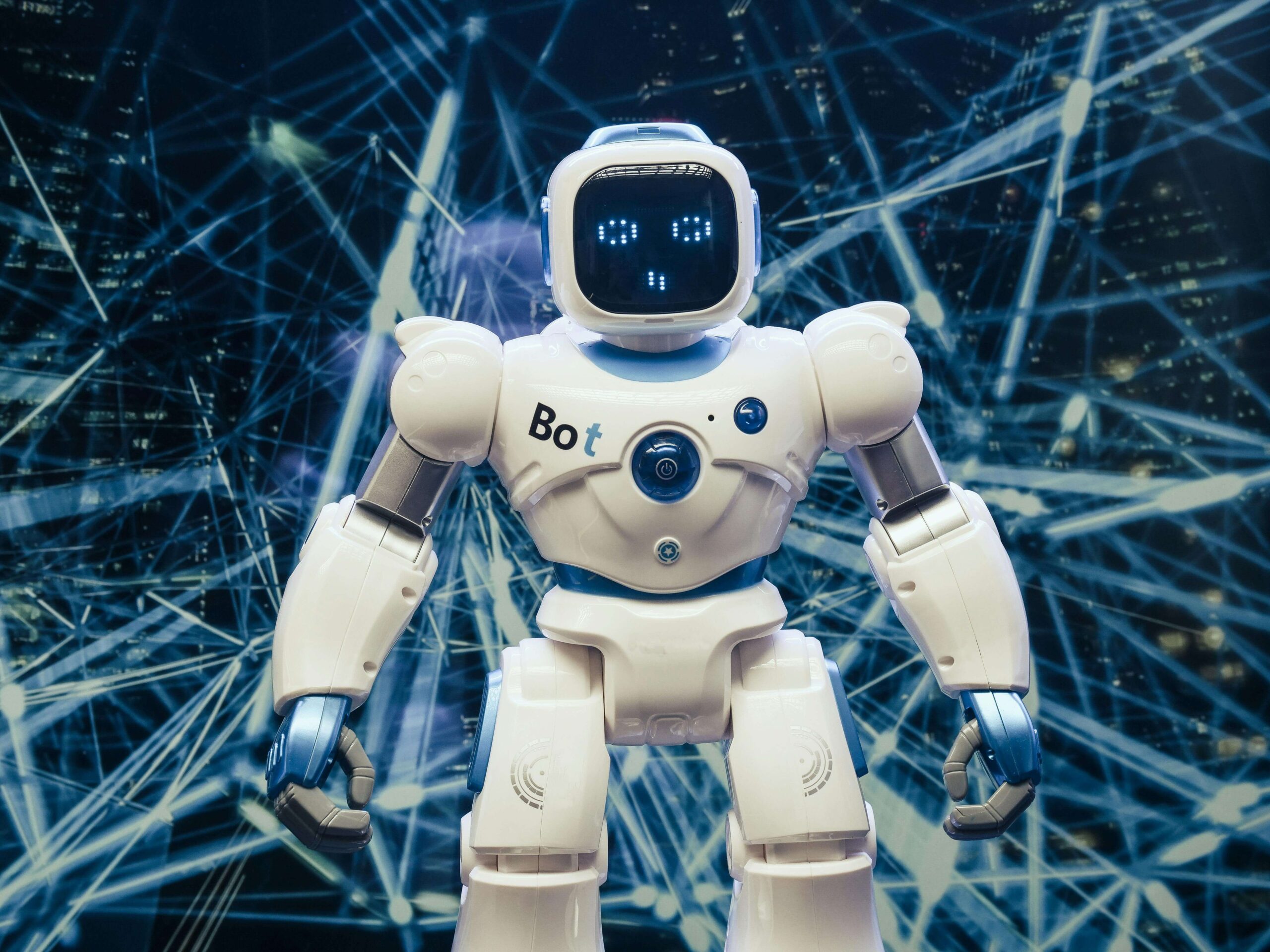
The future of artificial intelligence will likely involve continued improvements in both specific and more general AI systems.
Specific AI will continue to expand into new industries, improving efficiency and productivity.
At the same time, researchers will explore new approaches that bring AI closer to general intelligence.
Technological advancements in machine learning, neuroscience, and computing power may eventually lead to systems that approach the concept of global AI.
However, this development will require careful planning, ethical consideration, and international cooperation.
Conclusion
Artificial intelligence can be broadly understood through the concepts of global artificial intelligence and specific artificial intelligence.
Specific AI systems dominate today’s technology landscape, performing specialized tasks with remarkable efficiency. Tools like ChatGPT, voice assistants such as Siri, and advanced technologies developed by companies like Tesla and Amazon demonstrate the power of narrow AI in everyday life.
Global artificial intelligence, however, represents a future goal—a system capable of understanding and performing a wide range of tasks with human-like intelligence.
While this vision remains largely theoretical, ongoing research by organizations like OpenAI and DeepMind continues to push the boundaries of what artificial intelligence can achieve.
By understanding the differences between global and specific AI, we can better appreciate both the remarkable progress already made and the exciting possibilities that lie ahead in the world of artificial intelligence.