Global Economy: The global economy is constantly evolving, influenced by technological advancements, political decisions, international trade, and social changes. In recent years, the world has experienced significant economic shifts due to events such as pandemics, supply chain disruptions, inflation, and rapid digital transformation. As we move further into the mid-2020s, many new trends are shaping how countries grow, trade, and compete.
Understanding what is happening in the global economy is important not only for governments and businesses but also for individuals. Economic changes influence job opportunities, living costs, investments, and financial stability. Today, economists, policymakers, and investors are closely watching several key developments that are shaping the future of the global economic landscape.
Global Growth: Slow but Steady Recovery
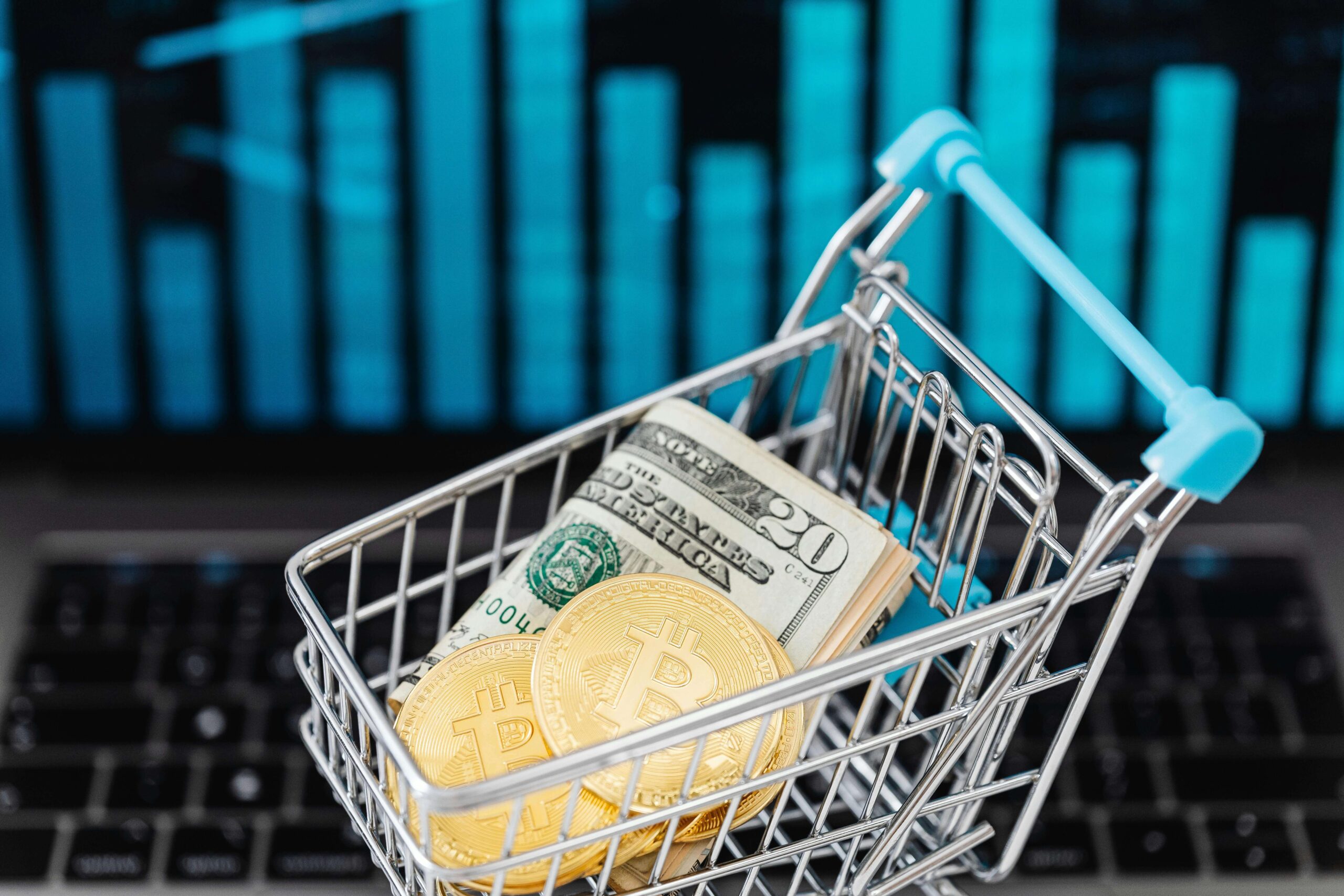
After several years of economic uncertainty, many countries are now experiencing gradual recovery. While growth rates differ across regions, the global economy is showing signs of stabilization.
Developed economies such as the United States and many European countries are focusing on controlling inflation while maintaining economic growth. Meanwhile, emerging markets in Asia, Africa, and Latin America are expanding their industries and attracting global investments.
However, economic recovery is not uniform. Some countries are growing rapidly due to strong exports and technological development, while others continue to face challenges such as debt, unemployment, or political instability.
Despite these differences, the global economy remains interconnected. Economic growth in one region often influences markets and opportunities in other parts of the world.
Inflation and the Cost of Living
One of the most discussed topics in the global economy today is inflation. Rising prices for food, energy, housing, and transportation have affected households in many countries.
Inflation can occur for several reasons, including increased production costs, supply shortages, and strong consumer demand. In recent years, supply chain disruptions and energy price fluctuations have contributed significantly to rising inflation worldwide.
Central banks are responding by adjusting interest rates to control inflation and stabilize economies. Higher interest rates can reduce spending and borrowing, helping slow down price increases.
For consumers, inflation means managing budgets more carefully and adapting to higher living costs. Businesses also need to adjust pricing strategies and operational expenses to remain competitive.
The Digital Economy is Expanding
Technology continues to transform the global economy at an incredible pace. The digital economy—powered by artificial intelligence, cloud computing, e-commerce, and fintech—is becoming a major driver of economic growth.
Online businesses, remote work platforms, and digital payment systems have expanded rapidly in recent years. Many companies now operate globally through digital platforms, allowing them to reach customers in multiple countries without physical offices.
Artificial intelligence is also playing a growing role in industries such as finance, healthcare, manufacturing, and logistics. Automation and smart technologies are improving productivity and creating new business opportunities.
However, digital transformation also raises important questions about job displacement, cybersecurity, and data privacy. Governments and organizations are working to balance technological innovation with responsible policies.
Global Trade is Changing
International trade remains a key component of the global economy, but it is evolving in new ways. Countries are diversifying supply chains and exploring new trade partnerships to reduce risks and improve resilience.
In the past, many companies relied heavily on a small number of manufacturing hubs. Today, businesses are expanding production across multiple regions to avoid disruptions caused by geopolitical tensions, natural disasters, or logistical challenges.
Regional trade agreements are also becoming more important. Countries are forming partnerships that reduce trade barriers, encourage investment, and strengthen economic cooperation.
At the same time, protectionist policies and trade disputes still affect global markets. Balancing cooperation and competition will continue to shape the future of international trade.
The Rise of Emerging Markets
Emerging economies are playing an increasingly important role in global economic growth. Countries in Asia, Africa, and Latin America are expanding their industrial sectors, improving infrastructure, and developing digital economies.
These markets offer large populations, growing middle classes, and expanding consumer demand. As incomes rise, people spend more on goods, services, education, and technology.
Many multinational companies are investing in emerging markets to capture new growth opportunities. These investments help create jobs, improve technology transfer, and strengthen economic development.
However, emerging economies also face challenges such as political uncertainty, infrastructure gaps, and financial volatility. Addressing these issues will be crucial for long-term growth.
The Green Economy and Sustainability
Another major trend shaping the global economy is the transition toward sustainability. Climate change and environmental concerns are pushing governments and businesses to adopt greener economic strategies.
Renewable energy projects, electric vehicles, sustainable agriculture, and eco-friendly manufacturing are gaining momentum worldwide. Many countries are investing in clean energy infrastructure to reduce carbon emissions and protect natural resources.
The green economy is not only about environmental protection—it also creates new industries and job opportunities. Clean energy technologies, recycling systems, and sustainable urban development are becoming major economic sectors.
Investors are also showing increasing interest in companies that prioritize environmental, social, and governance (ESG) principles.
The Changing World of Work
The global workforce is undergoing major changes. Remote work, digital freelancing, and the gig economy are becoming more common across many industries.
Technology allows employees to work from different locations while staying connected through online platforms. This shift has changed how companies hire talent and manage teams.
At the same time, automation and artificial intelligence are transforming traditional jobs. Some roles are being replaced by machines, while new jobs are being created in technology, data science, and digital services.
To adapt to these changes, workers need to focus on continuous learning and skill development. Education systems are also evolving to prepare students for future job markets.
Geopolitics and Economic Stability
Political decisions and international relations have a significant impact on the global economy. Trade policies, sanctions, and diplomatic relations influence economic stability and investment flows.
Geopolitical tensions can disrupt energy markets, supply chains, and international trade. For example, conflicts or political disagreements between major economies may affect global markets and financial systems.
To maintain stability, many countries are strengthening diplomatic cooperation and building economic partnerships with multiple regions.
Global organizations and economic institutions also play important roles in promoting financial stability and resolving trade disputes.
Opportunities for Businesses and Investors
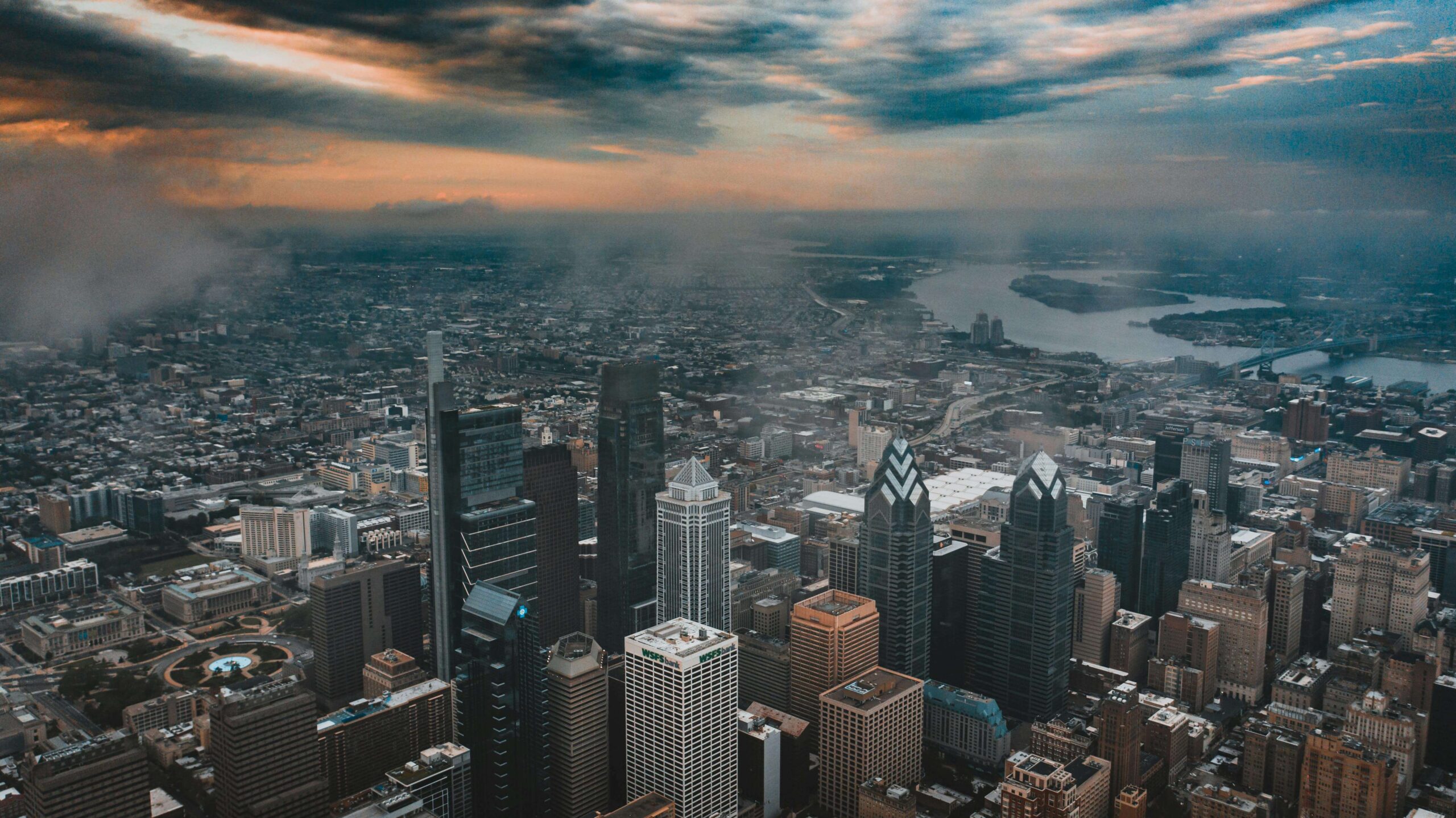
Despite economic uncertainties, the global economy still offers many opportunities for entrepreneurs, businesses, and investors.
Industries such as technology, renewable energy, healthcare, logistics, and digital finance are expected to grow rapidly in the coming years. Companies that embrace innovation and adapt to market changes will be better positioned for success.
Entrepreneurs can also benefit from the digital economy by launching online businesses, providing remote services, or developing innovative products.
Investors are increasingly focusing on long-term trends such as sustainability, artificial intelligence, and emerging markets when making financial decisions.
Conclusion
The global economy is going through a period of transformation. Technological innovation, changing trade patterns, sustainability initiatives, and shifting workforce dynamics are all shaping the future economic landscape.
While challenges such as inflation, geopolitical tensions, and economic inequaliti esremain, the world economy continues to adapt and evolve.
For businesses, policymakers, and individuals, staying informed about these trends is essential for making smart decisions and preparing for future opportunities.
As globalization continues and new technologies emerge, the global economy will keep evolving—bringing both challenges and exciting possibilities for growth and development.