

Generative AI is transforming the way people learn, work, and make decisions. By creating text, images, code, audio, and other digital content, AI-powered tools are helping individuals, businesses, and governments improve productivity and innovation. The Generative AI Impact extends across industries, influencing employment, education, workplace collaboration, and public policy. Understanding both the opportunities and challenges of generative AI is essential for preparing for a rapidly evolving digital future.
Understanding Generative AI
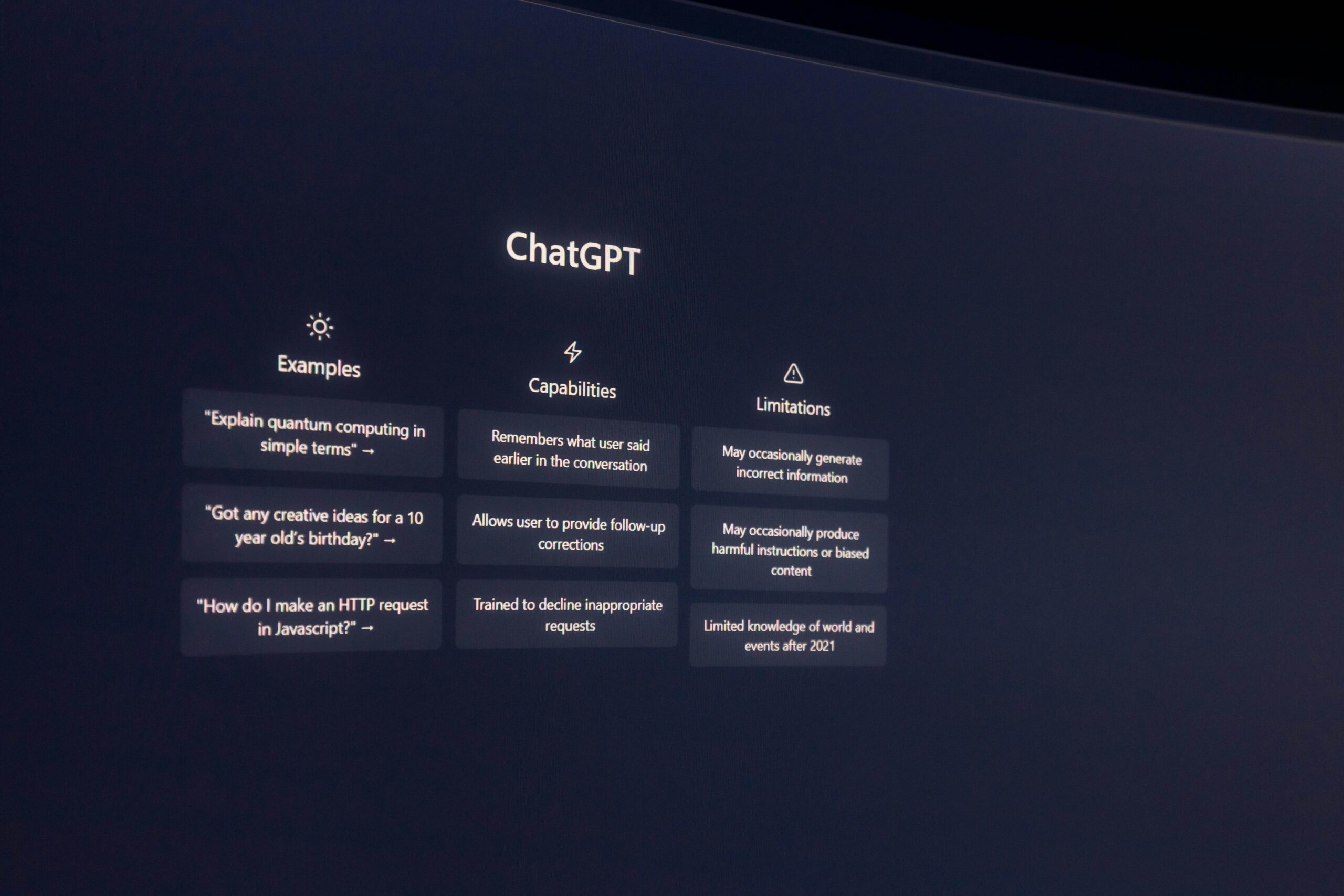
Generative AI refers to a category of artificial intelligence systems that can create new content by learning patterns from large datasets.
Generative Artificial Intelligence has become one of the most influential technological innovations of the 21st century.
Unlike traditional AI systems that mainly analyze data or make predictions, generative AI can produce original outputs. These outputs can include articles, artwork, computer programs, marketing content, and educational materials.
A well-known example is ChatGPT, which demonstrates how AI can interact with users and generate meaningful information in natural language.
The rapid growth of such tools is changing how knowledge is created and shared.
Impact on the Job Market
One of the most widely discussed aspects of generative AI is its effect on employment.
Automation has always influenced the job market, but generative AI expands automation into areas previously considered uniquely human, such as writing, design, and creative problem-solving.
For example, AI systems can now generate reports, marketing copy, and visual designs within seconds. This capability can significantly increase productivity for businesses.
However, it also raises concerns about job displacement. Some tasks performed by writers, analysts, or customer service representatives may become automated.
At the same time, generative AI is also creating new job opportunities. Companies now require professionals who can design AI systems, analyze AI-generated data, and manage ethical AI practices.
New roles such as AI trainers, prompt engineers, and AI policy analysts are emerging as part of this technological transformation.
Rather than eliminating jobs entirely, generative AI is likely to reshape many professions and change the skills required in the workforce.
Transforming the Nature of Work
Generative AI is not only affecting which jobs exist—it is also changing how work is performed.
Many organizations are integrating AI tools into their daily operations. Employees can use AI systems to draft documents, summarize information, analyze data, or generate ideas.
This collaboration between humans and machines allows workers to complete tasks more efficiently.
For instance, software developers can use AI to generate coding suggestions, while marketing teams can create campaign ideas with AI assistance.
Major technology companies such as Microsoft are integrating generative AI tools into workplace software platforms.
These integrations allow professionals to access AI-powered assistance directly within the tools they already use for communication, data analysis, and document creation.
As a result, the future workplace may involve close collaboration between human creativity and AI-driven automation.
Generative AI in Education
Education is another sector experiencing significant change due to generative AI.
Students now have access to AI-powered tools that can explain complex concepts, generate study materials, and assist with research.
Teachers can use AI systems to design lesson plans, create quizzes, and analyze student performance.
These technologies have the potential to personalize education. AI can adapt learning materials to match each student’s pace, strengths, and weaknesses.
For example, a student struggling with mathematics could receive customized explanations and practice problems generated by AI.
Educational institutions such as UNESCO are actively studying how AI technologies can support digital learning environments.
However, the use of AI in education also raises questions about academic integrity. Students may rely too heavily on AI tools for assignments or research.
To address this issue, educators must teach students how to use AI responsibly while maintaining critical thinking and independent learning skills.
Ethical and Social Considerations
As generative AI becomes more widespread, ethical considerations are becoming increasingly important.
One major concern involves misinformation. AI systems can generate convincing but inaccurate content, which could spread quickly through digital platforms.
Another concern involves bias. AI models trained on biased datasets may produce unfair or discriminatory outcomes.
For example, AI-generated hiring recommendations could unintentionally favor certain groups if the training data contains historical biases.
Organizations such as World Economic Forum emphasize the need for responsible AI development.
Ensuring transparency, fairness, and accountability in AI systems is essential for building public trust in these technologies.
AI and Policy Making

Governments around the world are beginning to recognize the importance of regulating AI technologies.
Generative AI raises complex policy questions related to privacy, intellectual property, labor markets, and national security.
Policymakers must develop frameworks that encourage innovation while protecting citizens from potential risks.
For example, governments may introduce regulations that require companies to disclose when content is generated by AI.
They may also establish guidelines for how organizations collect and use data to train AI models.
International cooperation is also important, as AI technologies often operate across national borders.
Effective policy-making will require collaboration between governments, technology companies, academic researchers, and civil society organizations.
Opportunities for Innovation and Growth
Despite the challenges associated with generative AI, its potential benefits are enormous.
Businesses can use AI to improve productivity, reduce operational costs, and develop innovative products and services.
Healthcare organizations can analyze medical data more effectively and accelerate scientific research.
Educational institutions can expand access to learning resources and provide personalized educational experiences.
For developing economies, generative AI may offer opportunities to leapfrog traditional technological barriers and participate more actively in the global digital economy.
By embracing AI responsibly, societies can harness its capabilities to improve economic growth and social well-being.
Preparing for the AI Future

Adapting to the rise of generative AI requires individuals and institutions to develop new skills and strategies.
Workers should focus on skills that complement AI technology, such as creativity, critical thinking, communication, and emotional intelligence.
Educational systems must incorporate digital literacy and AI awareness into their curricula.
Governments and organizations should invest in research and training programs that prepare the workforce for an AI-driven economy.
By developing these capabilities, societies can ensure that the benefits of generative AI are shared widely rather than concentrated among a small group of technology leaders.
Key Takeaways
- Generative AI is transforming jobs, education, workplaces, and governments.
- AI improves productivity, creativity, and decision-making.
- Responsible AI requires transparency, privacy, and human oversight.
- AI creates new opportunities while changing workforce skill requirements.
- Ethical governance is essential for sustainable AI adoption.
Conclusion
The Generative AI Impact is reshaping every major sector of society, from education and employment to business and public policy. While AI offers remarkable opportunities for innovation and efficiency, its long-term success depends on responsible governance, ethical practices, and continuous human oversight. Organizations and individuals that embrace AI responsibly will be better prepared for the future of the digital economy.