

Generative AI and Labor Market: Artificial intelligence is rapidly transforming industries around the world. Among the most significant technological developments in recent years is generative artificial intelligence (GenAI)—a form of AI capable of producing human-like text, images, code, and other forms of digital content. These systems are changing how businesses operate, how professionals perform their jobs, and how the labor market evolves.
Generative AI tools such as ChatGPT are increasingly used for tasks like writing reports, generating marketing content, coding software, and analyzing large datasets. While these technologies bring enormous productivity benefits, they also raise important questions about employment, job transformation, and workforce adaptation.
As companies adopt AI-driven technologies, some tasks may become automated, new types of jobs may emerge, and workers may need to develop new skills. Understanding the labor market effects of generative AI is essential for policymakers, businesses, educators, and workers preparing for the future of work.
This article explores how generative AI is influencing the labor market, its potential benefits, the challenges it creates, and what the future of work may look like in the age of AI.
Understanding Generative Artificial Intelligence
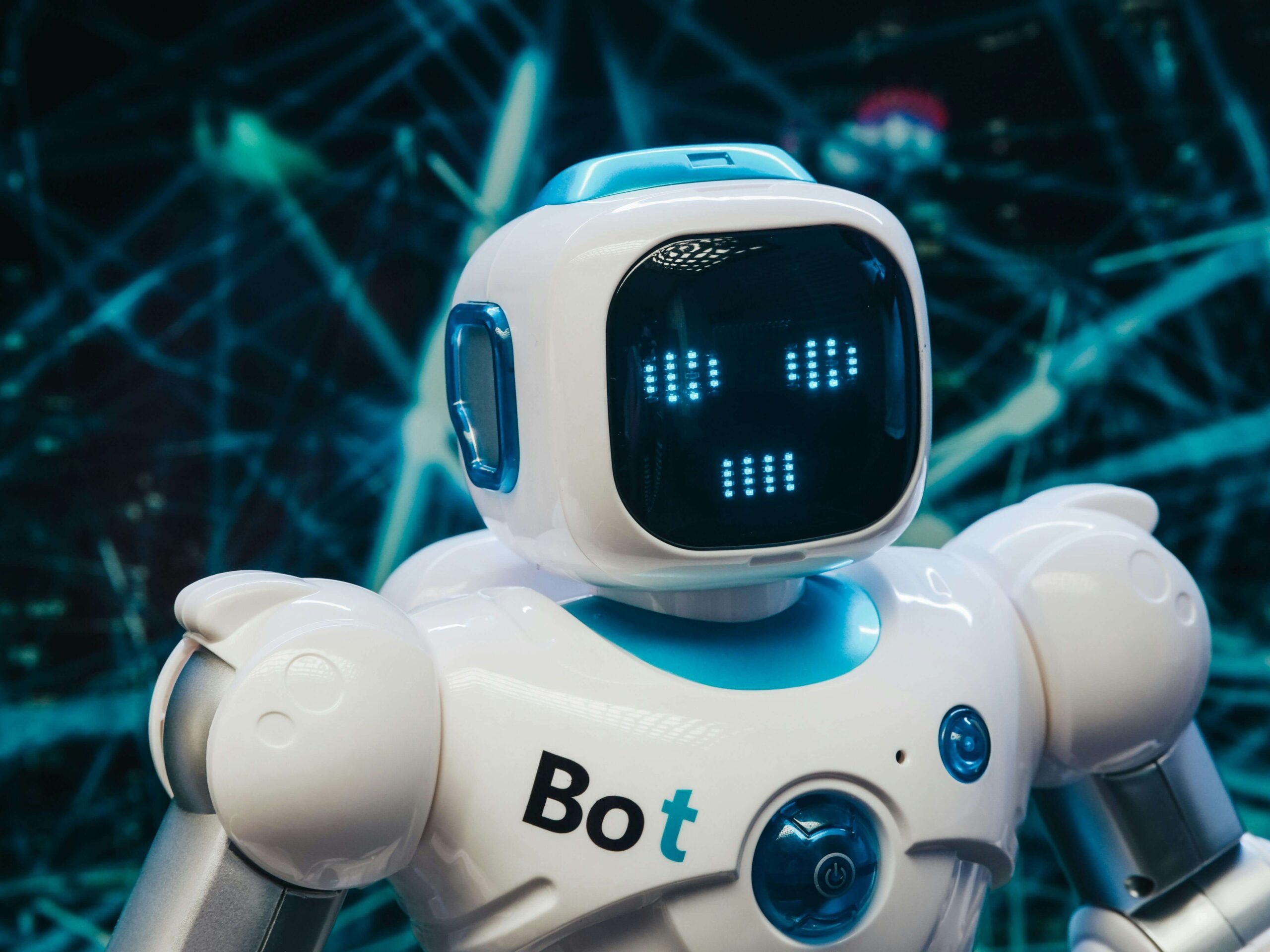
Generative AI refers to artificial intelligence systems that create new content by learning patterns from large datasets. Unlike traditional AI systems that focus primarily on prediction or classification, generative AI can produce entirely new outputs.
These outputs may include:
-
Written text
-
Computer code
-
Images and graphics
-
Music and video
-
Data analysis and reports
Companies such as OpenAI, Google, and Microsoft are leading the development of generative AI technologies that are being integrated into workplaces around the world.
Because these tools can perform complex cognitive tasks, their impact on the labor market is expected to be substantial.
Automation of Routine Tasks
One of the most immediate effects of generative AI on the labor market is the automation of routine tasks.
Many jobs include repetitive activities such as drafting emails, summarizing documents, creating reports, or processing data. Generative AI can perform these tasks quickly and efficiently.
For example:
-
Customer service agents may use AI chatbots to respond to common inquiries.
-
Marketing teams may rely on AI tools to generate social media content.
-
Software developers may use AI assistants to write or debug code.
Rather than replacing entire jobs, generative AI often automates specific tasks within jobs. This means workers may spend less time on repetitive work and more time on creative or strategic activities.
Productivity and Economic Growth

Generative AI has the potential to significantly increase productivity across many industries.
When workers use AI tools to complete tasks faster, businesses can produce more output with the same resources. Increased productivity often leads to economic growth, innovation, and improved competitiveness.
For example, a marketing team using generative AI tools can produce campaign materials much faster than before. Similarly, analysts can generate insights from large datasets in minutes instead of hours.
Technology companies such as Microsoft have integrated generative AI into workplace tools like document editing software and collaboration platforms, making AI assistance part of everyday workflows.
Higher productivity can lead to new business opportunities and the creation of entirely new industries.
Job Transformation Rather Than Job Elimination
A common concern surrounding AI technology is that it will replace human workers.
However, research suggests that generative AI is more likely to transform jobs rather than eliminate them entirely.
Many occupations involve multiple tasks, some of which can be automated while others require human creativity, judgment, and interpersonal skills.
For instance:
-
Journalists may use AI tools to generate article drafts but still conduct interviews and verify facts.
-
Lawyers may use AI to summarize legal documents but continue to provide strategic legal advice.
-
Designers may rely on AI tools for idea generation but maintain control over creative direction.
In many cases, AI acts as a collaborative tool that enhances human productivity rather than replacing workers completely.
Emergence of New Jobs and Skills
Technological revolutions historically create new jobs even as they change existing ones. The rise of generative AI is expected to follow a similar pattern.
New roles are emerging that focus on developing, managing, and working alongside AI systems.
Examples include:
-
AI prompt engineers
-
AI ethics specialists
-
Machine learning engineers
-
AI system trainers
-
Data governance experts
Educational institutions and training programs are increasingly focusing on digital and AI-related skills to prepare the workforce for these new opportunities.
Companies like Google are also investing in AI education initiatives to help workers adapt to technological change.
Impact on Different Industries
The labor market effects of generative AI vary across industries.
Technology and Software Development
Software developers are already using AI coding assistants that help generate code, identify errors, and suggest improvements.
These tools can significantly increase productivity while reducing the time required to develop software.
Marketing and Content Creation
Generative AI tools can produce marketing copy, blog articles, and advertising visuals.
While this automation changes how content is created, human creativity and strategy remain essential for effective marketing campaigns.
Finance and Data Analysis
Financial analysts use AI systems to analyze market trends, generate financial reports, and evaluate investment risks.
These tools help professionals process complex data more efficiently.
Healthcare
In healthcare, AI technologies assist with medical research, documentation, and data analysis.
However, medical professionals still play a critical role in diagnosis, patient care, and ethical decision-making.
Challenges and Concerns
Despite its benefits, generative AI also raises several challenges for the labor market.
Job Displacement Risks
Some jobs that rely heavily on routine tasks may face higher automation risks.
Workers in administrative or clerical roles may need to develop new skills to adapt to AI-powered workplaces.
Skill Gaps
The growing demand for AI-related skills may create gaps between workers who have access to training and those who do not.
Governments and educational institutions must invest in workforce development programs to address this challenge.
Ethical and Regulatory Issues
The use of AI in workplaces also raises questions about data privacy, bias, and accountability.
Ensuring responsible AI deployment is essential to protect workers and maintain trust in technology.
Organizations like OpenAI are working on developing ethical guidelines and safety frameworks for AI systems.
The Role of Education and Training
Preparing the workforce for the age of generative AI requires significant investment in education and training.
Workers must develop skills that complement AI technologies rather than compete with them.
Important future skills include:
-
Critical thinking
-
Creativity
-
Data literacy
-
AI literacy
-
Problem-solving
Educational institutions must update curricula to include digital technologies, data science, and AI-related knowledge.
Lifelong learning will become increasingly important as technological change accelerates.
Government and Policy Responses
Governments also play a crucial role in managing the labor market effects of generative AI.
Policies may focus on:
-
Supporting workforce retraining programs
-
Encouraging responsible AI adoption
-
Promoting innovation and entrepreneurship
-
Protecting workers from unfair labor practices
Effective policies can help ensure that the benefits of AI-driven economic growth are distributed fairly across society.
The Future of Work in the Age of AI

The future labor market will likely involve a closer collaboration between humans and intelligent machines.
AI systems will continue to handle large-scale data processing and repetitive tasks, while humans focus on creativity, leadership, and complex decision-making.
Rather than a world where machines replace people, the future may involve AI-augmented workers who use advanced tools to enhance their capabilities.
Organizations that successfully integrate AI technologies with human talent will be better positioned to succeed in the evolving economy.
Conclusion
Generative artificial intelligence is reshaping the labor market in profound ways. By automating routine tasks, enhancing productivity, and enabling new forms of work, AI technologies are transforming how businesses operate and how employees perform their jobs.
Tools like ChatGPT, developed by OpenAI, and workplace innovations from companies such as Microsoft and Google illustrate the growing role of AI in modern workplaces.
While generative AI may change the nature of certain jobs, it also creates new opportunities for innovation and economic growth.
By investing in education, promoting responsible AI development, and supporting workforce adaptation, societies can ensure that generative AI becomes a powerful tool for improving productivity and expanding opportunities in the future of work.