

Generative AI is becoming part of children’s daily lives through educational platforms, chatbots, creative tools, and digital learning applications. While these technologies can support learning, creativity, and problem-solving, they also introduce challenges related to privacy, misinformation, excessive screen time, and digital safety. Understanding the relationship between Generative AI and Children is essential for parents, educators, and policymakers who want to maximize the benefits of AI while minimizing potential risks. Responsible use, human guidance, and age-appropriate safeguards are key to ensuring that AI supports healthy learning and development.
What is Generative AI?
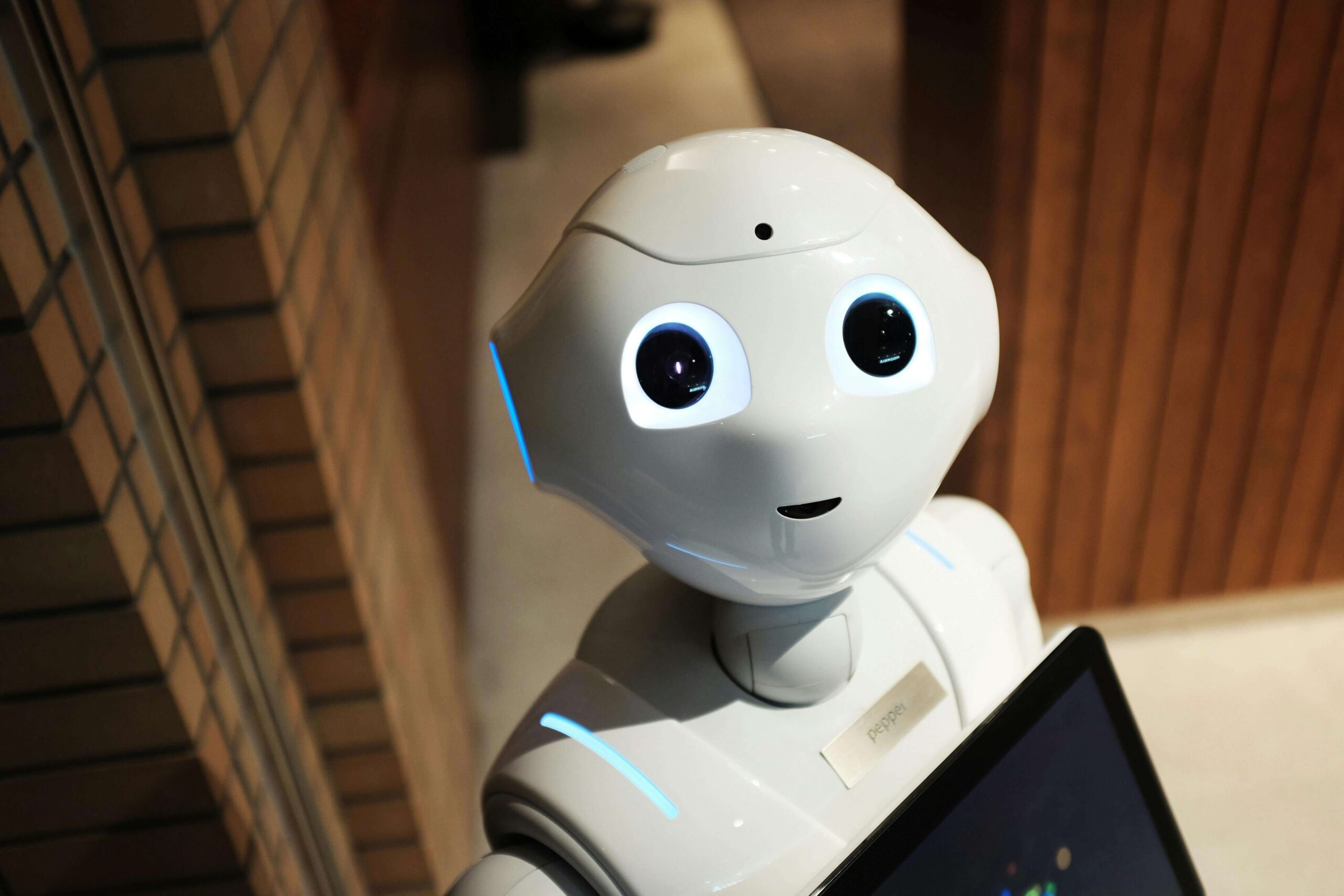
Generative AI refers to artificial intelligence systems that can produce original content based on patterns learned from large datasets. These systems use advanced machine learning techniques to generate responses that resemble human writing, artwork, music, or videos.
For example, generative AI tools can:
-
Write essays or stories
-
Answer questions and explain topics
-
Generate images from text descriptions
-
Assist with coding and problem-solving
Many children encounter these technologies through educational apps, online platforms, or social media tools that incorporate AI-driven features.
As generative AI becomes more common, its influence on children’s learning and development continues to grow.
Opportunities Generative AI Offers for Children
Despite concerns, generative AI offers several valuable benefits when used responsibly.
Enhancing Learning Experiences
AI-powered tools can act as personalized learning assistants. Children can ask questions and receive explanations tailored to their level of understanding.
For example, a student struggling with a science concept can ask an AI tool for a simplified explanation or request additional examples.
Generative AI systems such as ChatGPT can help students explore subjects in greater depth and develop curiosity about new topics.
Supporting Creativity
Children often enjoy using AI tools to create stories, drawings, and imaginative projects.
Generative AI can help young users brainstorm ideas, develop characters for stories, or experiment with digital art.
Instead of replacing creativity, AI can act as a creative partner that inspires new ideas and encourages experimentation.
Encouraging Curiosity and Exploration
AI systems allow children to explore knowledge independently. Instead of relying solely on textbooks, students can interact with AI tools to discover new information and perspectives.
This interactive learning experience can motivate children to ask more questions and develop critical thinking skills.
Risks and Challenges
While generative AI offers exciting opportunities, it also presents several potential risks for children.
Overreliance on AI
One concern is that children may become too dependent on AI tools for completing tasks such as homework or writing assignments.
If students rely heavily on AI-generated answers, they may miss opportunities to develop their own critical thinking and problem-solving abilities.
Teachers and parents must encourage children to use AI as a learning aid rather than a shortcut.
Exposure to Inaccurate Information
Although generative AI systems are powerful, they are not perfect. Sometimes they may produce incorrect or misleading information.
Children who lack experience evaluating sources may assume AI-generated content is always accurate.
Teaching digital literacy is therefore essential so that young users learn to verify information and think critically about what they read.
Privacy and Data Concerns
Another issue involves the collection of user data. Many AI platforms collect information to improve their services.
Parents and educators should be aware of privacy policies and ensure that children use safe and age-appropriate platforms.
Protecting children’s personal data must remain a priority in the development of AI technologies.
Ethical and Social Implications
Generative AI also raises broader ethical questions. For example, AI-generated content can blur the line between human-created and machine-created work.
Children need guidance in understanding the importance of originality, honesty, and responsible technology use.
Educators must help students recognize when AI assistance is appropriate and when independent effort is necessary.
The Role of Parents
Parents play a critical role in helping children navigate AI technologies responsibly.
Open Conversations About Technology
Parents should talk with their children about how AI tools work and what their limitations are.
Explaining that AI systems generate responses based on patterns rather than true understanding can help children develop realistic expectations.
Monitoring AI Usage
Monitoring how children interact with AI platforms can help ensure they are using these tools safely.
Parents can encourage balanced technology use by combining digital learning with traditional reading, creative activities, and outdoor play.
Encouraging Critical Thinking
Instead of simply accepting AI answers, children should be encouraged to ask follow-up questions and explore multiple sources of information.
This approach helps develop analytical thinking skills that will be valuable throughout their education.
The Role of Educators
Teachers also have an important role in guiding responsible AI use in classrooms.
Integrating AI into Learning
Rather than banning AI tools completely, educators can incorporate them into lessons in thoughtful ways.
For example, students might use AI tools to generate ideas for essays and then develop their own original arguments.
Teaching AI Literacy
Understanding artificial intelligence will likely become an essential skill for future generations.
Teaching students how AI systems work, including their strengths and limitations, can help them become informed and responsible technology users.
Promoting Academic Integrity
Schools should establish clear guidelines for using AI in assignments and research.
By emphasizing honesty and creativity, educators can ensure that AI supports learning rather than replacing it.
The Role of Technology Companies
Companies that develop generative AI tools also have a responsibility to protect young users.
Platforms should include safeguards such as:
-
Age-appropriate content filters
-
Privacy protections for minors
-
Educational resources about responsible AI use
Technology developers must prioritize child safety when designing AI systems.
The Future of Children and AI
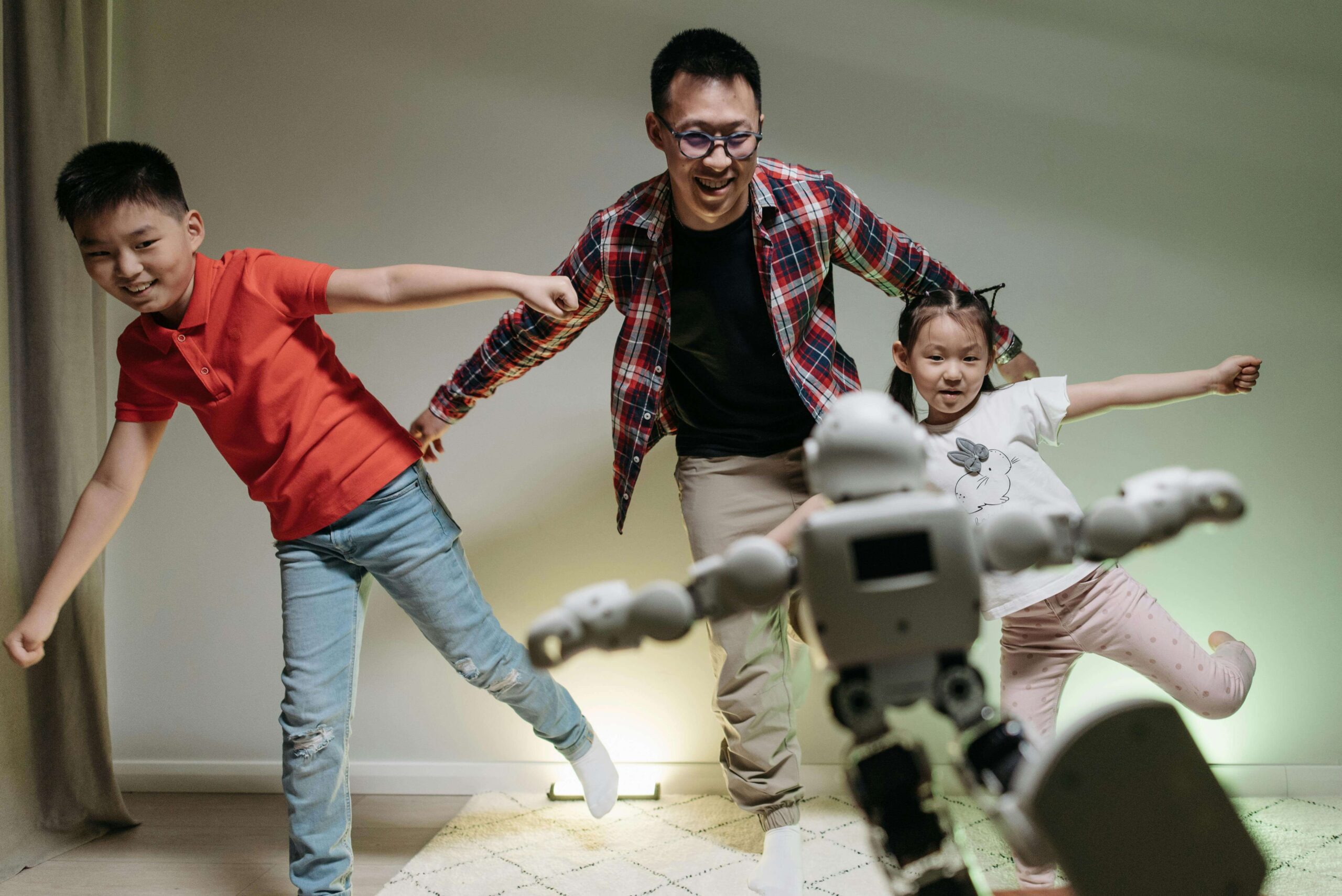
The relationship between children and artificial intelligence will continue evolving in the coming years.
As AI tools become more advanced, they may play an even larger role in education, entertainment, and communication.
Future AI systems may provide personalized learning environments tailored to each student’s needs and interests.
However, the success of these technologies will depend on how responsibly they are implemented and used.
Balancing innovation with safety and ethical awareness will be essential for ensuring that children benefit from AI without facing unnecessary risks.
Frequently Asked Questions
Q: What is Generative AI?
A: AI that creates text, images, and other content.
Q: How do children use Generative AI?
A: For learning, creativity, and homework support.
Q: Is Generative AI safe for children?
A:Yes, with proper supervision.
Q: What are the benefits of AI for children?
A: It enhances learning and creativity.
Q: What are the risks of AI for children?
A:Privacy, misinformation, and overdependence.
Q: What is the future of Generative AI in education?
A: Smarter, safer, and more personalized learning.
Key Takeaways
- Generative AI supports learning, creativity, and personalized education.
- Children also face risks such as misinformation, privacy concerns, and AI overdependence.
- Parents and educators play a key role in responsible AI use.
- Digital literacy and human supervision remain essential.
- Future AI tools are expected to become safer, smarter, and more child-friendly.
Conclusion
Generative AI and Children is an evolving area that offers both opportunities and challenges. AI can improve education, creativity, and accessibility when used responsibly, but it also requires careful supervision to protect children’s privacy, well-being, and critical thinking skills. By combining responsible AI practices with parental guidance and quality education, society can help children benefit from AI while reducing potential risks.