AI in Fashion Industry: The fashion industry has always been driven by creativity, innovation, and changing consumer preferences. In recent years, however, a powerful new force has begun reshaping the way fashion brands design, produce, and sell their products—artificial intelligence.
Artificial intelligence (AI) is no longer limited to technology companies or research laboratories. It has entered the world of fashion, helping brands analyze trends, predict consumer behavior, optimize supply chains, and create personalized shopping experiences.
Major fashion companies are investing heavily in AI technologies to stay competitive in an increasingly digital marketplace. From automated design tools to smart retail experiences, AI is transforming nearly every stage of the fashion lifecycle.
In this article, we explore how artificial intelligence is revolutionizing the fashion industry, the benefits it offers, and the challenges that brands must address as they adopt this innovative technology.
Understanding Artificial Intelligence in Fashion

Artificial intelligence refers to computer systems that can analyze data, recognize patterns, and make decisions with minimal human intervention.
In the fashion industry, AI technologies are used to process vast amounts of information related to consumer preferences, social media trends, product performance, and market demand.
Companies like Zara, H&M, and Nike have already started integrating AI into their operations to improve efficiency and customer engagement.
These technologies allow fashion brands to move faster, reduce waste, and respond more effectively to changing trends.
AI in Fashion Design
Fashion design traditionally relies on human creativity and artistic expression. However, AI is increasingly supporting designers by providing insights and inspiration.
Trend Prediction
One of the most valuable applications of AI in fashion design is trend forecasting.
AI systems analyze data from social media platforms, fashion blogs, online shopping behavior, and runway shows to identify emerging trends.
By analyzing these patterns, AI tools can predict what styles, colors, and fabrics will become popular in upcoming seasons.
This helps designers create collections that align with future consumer preferences.
AI-Assisted Design
Artificial intelligence can also assist designers in generating new design ideas.
AI-powered tools can suggest color combinations, fabric styles, and clothing silhouettes based on historical data and current trends.
Rather than replacing human creativity, AI acts as a digital assistant that helps designers experiment with new concepts more quickly.
Personalized Shopping Experiences
Modern consumers expect personalized experiences when shopping online. Artificial intelligence enables fashion retailers to deliver highly customized recommendations.
Online stores often use AI-powered recommendation engines that analyze customer behavior, including:
-
Browsing history
-
Purchase patterns
-
Style preferences
Based on this information, AI systems suggest products that match each customer’s individual taste.
Companies like Amazon use advanced AI algorithms to provide personalized shopping experiences that increase customer satisfaction and sales.
Virtual Fitting Rooms
One of the biggest challenges of online fashion shopping is determining how clothes will fit.
Artificial intelligence is helping solve this problem through virtual fitting rooms.
Using computer vision and body scanning technology, AI systems allow customers to see how clothing items would look on their bodies without physically trying them on.
Some retailers use augmented reality to create realistic digital fitting experiences through smartphones or in-store displays.
These technologies reduce product returns and improve customer confidence when shopping online.
AI in Supply Chain Management
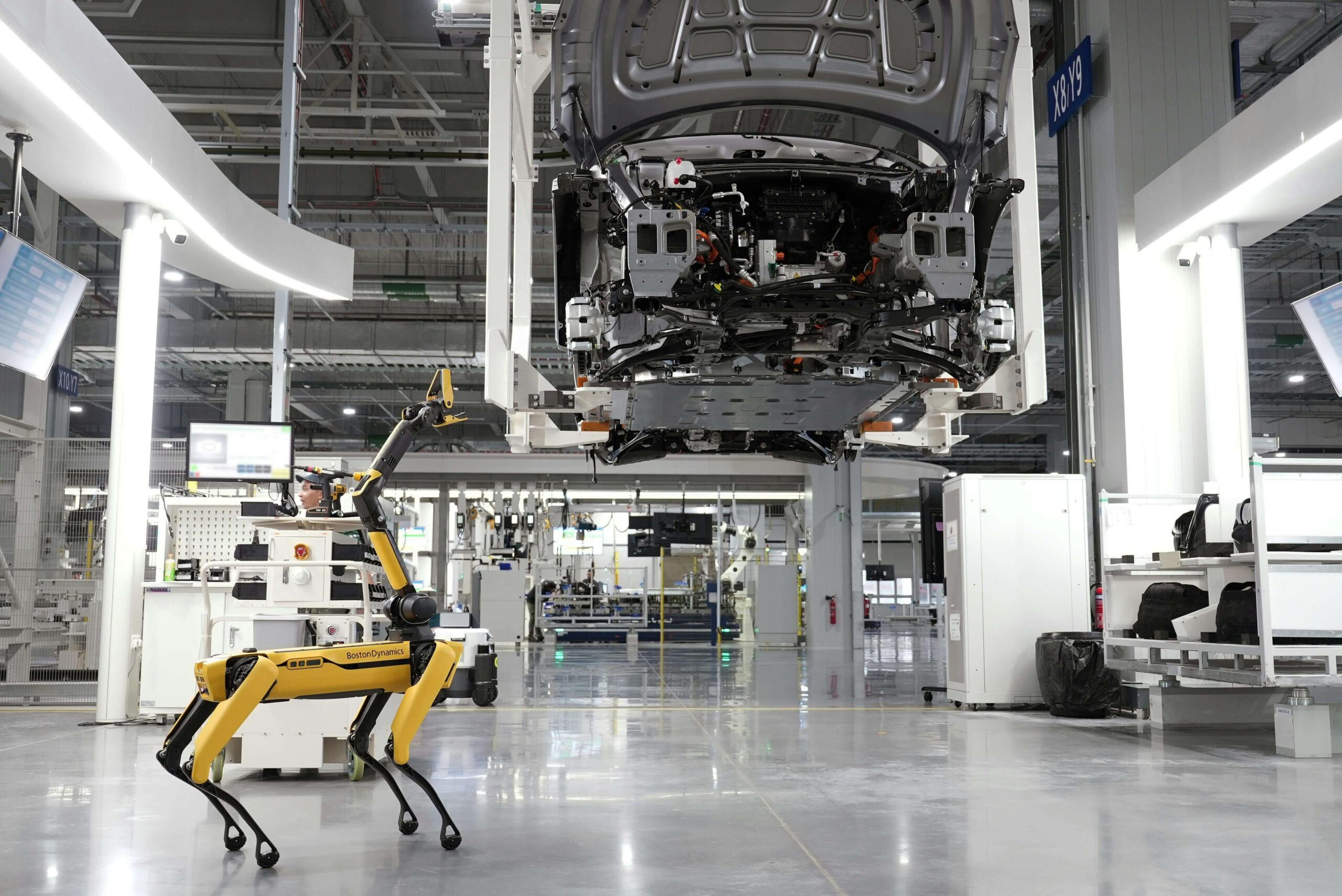
Fashion supply chains are complex and often involve multiple countries, manufacturers, and logistics providers.
Artificial intelligence helps fashion companies manage these supply chains more efficiently.
Demand Forecasting
AI sysems analyze historical sales data and market trends to predict future demand for specific products.
This allows companies to produce the right amount of inventory, reducing both shortages and excess stock.
Inventory Optimization
AI-powered systems track product availability across warehouses and retail stores.
By analyzing this data, companies can optimize inventory distribution and ensure that popular items remain in stock.
This reduces waste and improves operational efficiency.
Sustainable Fashion and AI
Sustainability has become a major concern within the fashion industry. Fast fashion production has often been criticized for contributing to environmental pollution and textile waste.
Artificial intelligence can help address these sustainability challenges.
Reducing Waste
AI can improve production planning by predicting exactly how many items should be manufactured.
This reduces overproduction and prevents unsold clothing from ending up in landfills.
Smart Material Selection
AI tools can also help designers choose environmentally friendly fabrics by analyzing data about sustainability, durability, and environmental impact.
Companies like Stitch Fix are using AI-driven analytics to create more efficient and sustainable fashion systems.
AI in Marketing and Customer Insights
Marketing is another area where artificial intelligence is transforming the fashion industry.
Social Media Analysis
AI tools can analyze millions of social media posts to understand what styles are trending and how consumers feel about different fashion brands.
This allows companies to design marketing campaigns that align with current trends and customer interests.
Customer Behavior Insights
AI systems collect data from online shopping platforms to understand how customers interact with products.
These insights help brands improve website design, product recommendations, and promotional strategies.
Challenges of AI in Fashion
Despite its benefits, the adoption of artificial intelligence in fashion also raises several challenges.
High Implementation Costs
Implementing advanced AI technologies can be expensive, especially for small and medium-sized fashion brands.
Developing AI infrastructure requires significant investment in technology and expertise.
Data Privacy Concerns
AI-powered personalization relies heavily on customer data. Companies must ensure that they collect and use this information responsibly.
Protecting customer privacy is essential for maintaining trust.
Ethical Considerations
Some critics argue that AI-driven fashion production could reduce the role of human designers and workers.
Fashion companies must balance technological innovation with ethical labor practices.
The Future of AI in Fashion
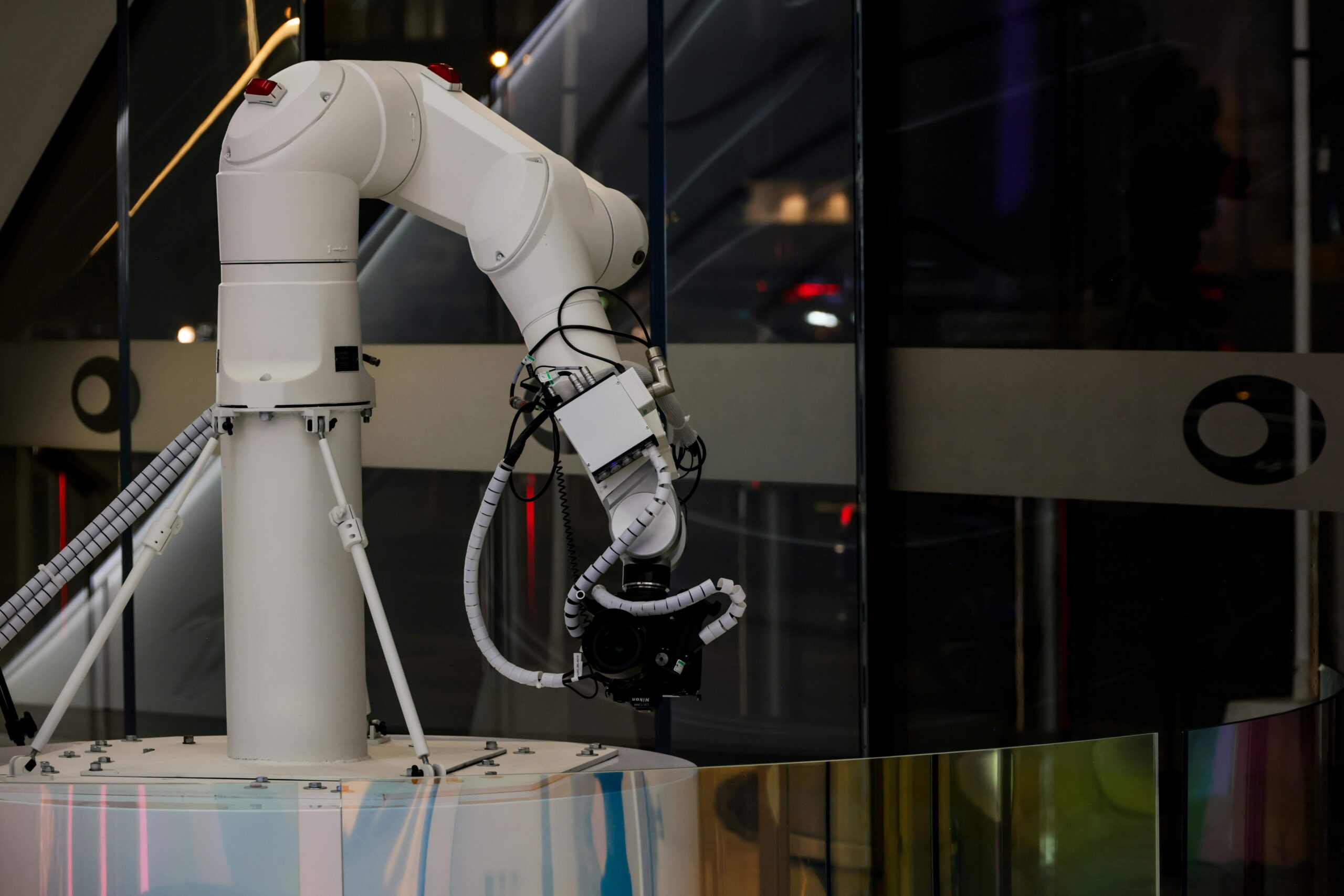
The role of artificial intelligence in the fashion industry is expected to grow significantly in the coming years.
Future innovations may include:
-
Fully automated fashion design systems
-
Advanced virtual shopping environments
-
AI-generated clothing collections
-
Smart clothing with embedded technology
Major global brands like Nike and H&M are already exploring these possibilities.
As AI technologies continue to evolve, they will likely reshape how fashion products are created, marketed, and experienced.
Conclusion
Artificial intelligence is rapidly transforming the fashion industry by improving design processes, enhancing customer experiences, and optimizing supply chains.
From trend prediction and virtual fitting rooms to personalized recommendations and sustainable production strategies, AI is helping fashion brands operate more efficiently and creatively.
Companies such as Zara, Nike, and Amazon demonstrate how technology can revolutionize traditional industries.
However, as fashion brands continue to adopt AI, they must also address challenges related to cost, privacy, and ethical responsibility.
By combining human creativity with artificial intelligence, the fashion industry can create innovative, sustainable, and customer-focused experiences that shape the future of style.