AI Explained: Artificial Intelligence (AI) has become one of the most talked-about technologies in the modern world. From smartphones and online shopping to healthcare and finance, AI is now a part of our daily lives. Yet many people still find the concept confusing or complicated. Understanding how AI works and how it impacts our world is becoming an important skill in today’s digital age.
This article explains artificial intelligence in a simple and clear way while also helping you test your knowledge about this powerful technology. Whether you are a student, professional, or simply curious about technology, learning about AI can help you better understand the future of innovation and digital transformation.
What is Artificial Intelligence?

Artificial Intelligence refers to computer systems that can perform tasks that normally require human intelligence. These tasks include learning from data, recognizing patterns, solving problems, understanding language, and making decisions.
Instead of being programmed with fixed instructions for every situation, AI systems are designed to learn from experience. They analyze large amounts of data and improve their performance over time.
For example, when you use voice assistants, recommendation systems, or navigation apps, AI is working behind the scenes to analyze information and provide helpful responses.
AI technology is built using several key techniques, including machine learning, deep learning, natural language processing, and computer vision.
Why AI Matters Today
Artificial Intelligence is transforming industries across the world. Businesses use AI to improve efficiency, automate processes, and provide better services to customers. Healthcare professionals use AI to analyze medical data and detect diseases earlier. Financial institutions use AI to detect fraud and manage risks.
The importance of AI continues to grow because it can process large amounts of information much faster than humans. This allows organizations to make smarter decisions and solve complex problems more effectively.
In addition, AI is helping create new industries, jobs, and opportunities in fields such as data science, robotics, and digital innovation.
Understanding AI is no longer just for engineers and programmers. Today, basic knowledge of AI is useful for students, entrepreneurs, and professionals in almost every field.
The Key Components of Artificial Intelligence
To truly understand AI, it is helpful to know the main technologies that power it.
Machine Learning
Machine learning is one of the most important branches of AI. It allows computers to learn from data without being explicitly programmed. Instead of writing detailed rules, developers provide algorithms that can identify patterns in large datasets.
For example, machine learning systems can analyze thousands of images to learn how to recognize objects such as cars, animals, or human faces.
Deep Learning
Deep learning is a more advanced form of machine learning that uses neural networks inspired by the human brain. These networks can analyze complex patterns in data, such as speech, images, and videos.
Deep learning powers technologies like facial recognition, self-driving cars, and voice assistants.
Natural Language Processing
Natural Language Processing (NLP) enables computers to understand and communicate in human language. It allows machines to interpret text, translate languages, and respond to questions.
Many chatbots, search engines, and language translation tools rely on NLP technology.
Computer Vision
Computer vision allows machines to interpret visual information from images and videos. This technology is used in security systems, medical imaging, autonomous vehicles, and many other applications.
Everyday Examples of AI
Many people interact with artificial intelligence every day without realizing it. Here are some common examples:
Smart Assistants
Voice assistants on smartphones and smart speakers use AI to understand voice commands and provide answers or perform tasks.
Recommendation Systems
Streaming platforms, online stores, and social media networks use AI algorithms to recommend content based on user preferences and behavior.
Navigation Apps
Navigation apps analyze traffic data using AI to suggest the fastest routes and estimate travel times.
Online Customer Support
Many websites now use AI chatbots to answer customer questions and provide assistance.
These examples show how AI has already become integrated into daily life.
Test Your AI Knowledge
Now that you understand the basics, here are some simple questions to test your knowledge about artificial intelligence.
Question 1:
What does AI stand for?
- A) Automated Internet
B) Artificial Intelligence
C) Advanced Information
D) Algorithm Integration
Correct answer: Artificial Intelligence.
Question 2:
Which technology allows computers to learn from data?
- A) Machine Learning
B) Internet Browsing
C) Hardware Engineering
D) Data Storage
Correct answer: Machine Learning.
Question 3:
Which AI technology helps computers understand human language?
- A) Computer Vision
B) Robotics
C) Natural Language Processing
D) Cloud Storage
Correct answer: Natural Language Processing.
Question 4:
Which industry uses AI to detect diseases and analyze medical images?
- A) Healthcare
B) Agriculture
C) Transportation
D) Tourism
Correct answer: Healthcare.
These questions highlight some of the basic concepts behind artificial intelligence.
Benefits of Artificial Intelligence
Artificial Intelligence provides many advantages that are improving modern life.
Increased Efficiency
AI systems can automate repetitive tasks, allowing humans to focus on more creative and strategic work.
Better Decision Making
By analyzing large amounts of data, AI can provide insights that help organizations make better decisions.
Improved Healthcare
AI helps doctors detect diseases earlier and develop personalized treatment plans.
Enhanced Customer Experience
Businesses use AI to provide personalized recommendations and faster customer support.
These benefits show why AI is becoming an essential part of modern technology.
Challenges and Concerns About AI
Despite its many advantages, artificial intelligence also raises important concerns.
One major concern is job displacement. Automation may replace certain types of jobs, especially those involving repetitive tasks.
Another issue is data privacy. AI systems often require large amounts of data, which raises questions about how personal information is collected and used.
Bias in AI algorithms is also a concern. If training data contains bias, the AI system may produce unfair or inaccurate results.
To address these challenges, governments and organizations are developing ethical guidelines and regulations for responsible AI development.
The Future of Artificial Intelligence
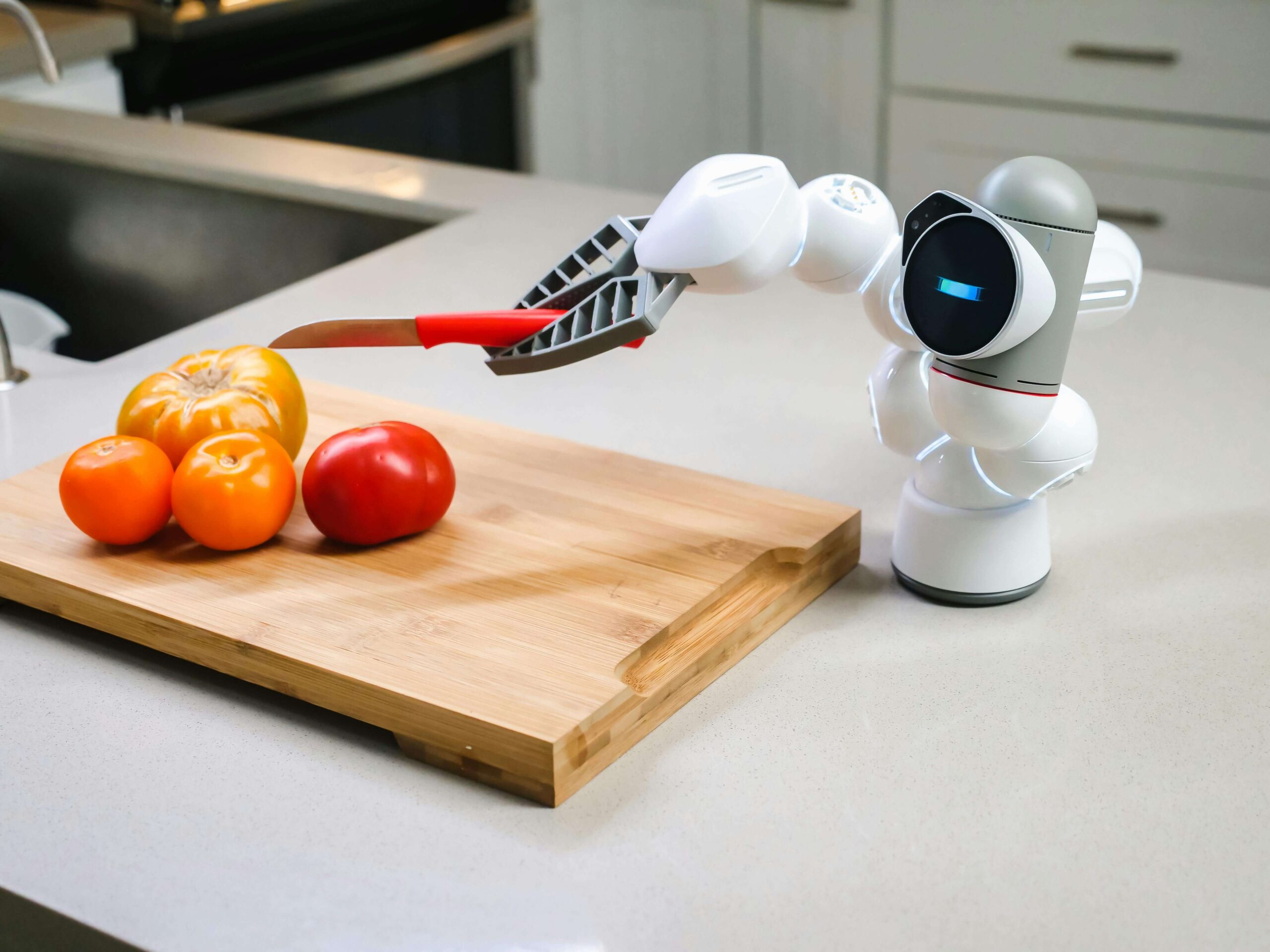
The future of AI is full of exciting possibilities. Experts believe that AI will continue to transform industries and create new opportunities.
In the coming years, AI may play a larger role in areas such as smart cities, climate change solutions, advanced robotics, and personalized education.
Autonomous vehicles, intelligent healthcare systems, and AI-powered research tools may become more common.
However, the success of AI will depend on responsible development, transparency, and collaboration between governments, researchers, and businesses.
By ensuring that AI technologies are developed ethically and used wisely, society can maximize their benefits while minimizing potential risks.
Conclusion
Artificial Intelligence is one of the most powerful technologies shaping the modern world. From improving healthcare to transforming business operations, AI continues to create new opportunities and innovations.
Understanding the basics of AI helps individuals stay informed about technological changes and prepare for future developments.
By learning about concepts such as machine learning, natural language processing, and computer vision, anyone can gain a clearer understanding of how AI works.
Testing your knowledge and staying curious about technology is the best way to keep up with the rapidly evolving digital world. As AI continues to grow, those who understand it will be better prepared for the future.