A Complete Guide: Artificial Intelligence (AI) is transforming the modern digital world. Businesses, startups, and organizations are using AI to automate tasks, analyze data, and improve decision-making. However, building AI systems from scratch can be expensive and technically complex. This is where AI as a Service (AIaaS) comes in.
AI as a Service allows companies to access powerful artificial intelligence tools through the cloud without building their own AI infrastructure. Instead of investing heavily in hardware, software, and data scientists, businesses can simply use AI solutions provided by technology companies.
In this article, we will explore what AI as a Service is, how it works, its key benefits, real-world applications, and why it is becoming an essential part of modern business technology.
What Is AI as a Service?

AI as a Service (AIaaS) is a cloud-based service that allows organizations to use artificial intelligence tools and capabilities without developing their own AI systems.
Just like Software as a Service (SaaS) provides software through the internet, AIaaS provides AI technologies such as:
- Machine learning
- Natural language processing
- Computer vision
- Data analytics
- Automation tools
These services are hosted on cloud platforms and can be accessed through APIs or web interfaces.
This means businesses can integrate AI features into their applications quickly and easily without needing advanced technical expertise.
How AI as a Service Works
AI as a Service works through cloud computing platforms. Large technology companies build powerful AI models and make them available online for businesses to use.
The process usually works in the following steps:
1. Data Input
Businesses provide data such as text, images, videos, or customer information.
2. AI Processing
The cloud-based AI system analyzes the data using machine learning algorithms.
3. Insights and Results
The system produces results such as predictions, recommendations, or automated actions.
For example, an online store might use AIaaS to analyze customer behavior and recommend products automatically.
Types of AI as a Service
AI as a Service offers several different tools and solutions. Some of the most common types include:
Machine Learning Platforms
Machine learning platforms allow businesses to build and train AI models using cloud-based tools. These platforms help analyze large datasets and generate predictions.
Companies can use them for:
- Sales forecasting
- Customer behavior analysis
- Fraud detection
Natural Language Processing (NLP)
Natural Language Processing enables machines to understand human language.
AIaaS NLP tools can be used for:
- Chatbots
- Language translation
- Sentiment analysis
- Voice assistants
These tools help businesses communicate better with customers through automated systems.
Computer Vision
Computer vision allows machines to analyze and understand images and videos.
Common uses include:
- Facial recognition
- Image classification
- Object detection
- Security monitoring
Retailers, healthcare providers, and security companies often use computer vision services.
AI Chatbots and Virtual Assistants
AI-powered chatbots are widely used in customer service.
These systems can:
- Answer customer questions
- Provide product recommendations
- Handle support requests
Businesses can operate customer service 24/7 using AI chatbots without needing large support teams.
Data Analytics and Predictive Tools
AIaaS platforms also offer predictive analytics tools that analyze historical data and forecast future outcomes.
Businesses use these tools to:
- Predict market trends
- Improve marketing strategies
- Identify risks
- Optimize operations
Benefits of AI as a Service

AI as a Service offers many advantages for businesses and organizations.
Lower Costs
Building AI systems requires expensive infrastructure and expert developers. AIaaS eliminates these costs by providing ready-to-use AI tools through the cloud.
Companies only pay for what they use, making AI affordable even for small businesses.
Faster Implementation
Developing AI systems from scratch can take months or even years.
AIaaS platforms provide pre-built models and tools that businesses can integrate quickly into their applications.
This allows companies to adopt AI technology much faster.
Scalability
Cloud-based AI services are highly scalable. Businesses can increase or decrease their AI usage depending on their needs.
For example, an e-commerce company can scale its AI-powered recommendation system during busy shopping seasons.
Access to Advanced Technology
AIaaS gives businesses access to advanced AI technologies that would otherwise be difficult to build.
Even small startups can use powerful machine learning models developed by leading tech companies.
Improved Decision-Making
AI tools can analyze large datasets and generate insights that humans might miss.
This helps businesses make smarter decisions based on data rather than guesswork.
Real-World Applications of AI as a Service
AI as a Service is being used across many industries.
Healthcare
Healthcare organizations use AIaaS to analyze medical data, detect diseases early, and assist doctors in diagnosis.
AI tools can examine medical images and identify abnormalities with high accuracy.
Retail and E-commerce
Online retailers use AIaaS to personalize shopping experiences.
AI systems recommend products based on customer behavior, improving sales and customer satisfaction.
Finance
Financial institutions use AI services to detect fraud, analyze risk, and automate financial operations.
AI can monitor thousands of transactions in real time and identify suspicious activities.
Marketing
Digital marketers use AIaaS for customer segmentation, ad targeting, and campaign optimization.
AI tools analyze customer data and suggest the best marketing strategies.
Customer Service
Businesses use AI-powered chatbots to handle customer queries instantly.
This improves response time and reduces the workload on human support teams.
Challenges of AI as a Service
Although AIaaS offers many advantages, it also has some challenges.
Data Privacy Concerns
Businesses must share data with cloud platforms to use AI services. This raises concerns about data security and privacy.
Companies must ensure they follow proper data protection regulations.
Dependence on Cloud Providers
Organizations relying heavily on AIaaS may become dependent on external providers for AI capabilities.
Service outages or platform changes can affect business operations.
Limited Customization
Some AIaaS solutions provide pre-built models that may not fully meet specific business needs.
Custom AI development might still be required in some cases.
The Future of AI as a Service
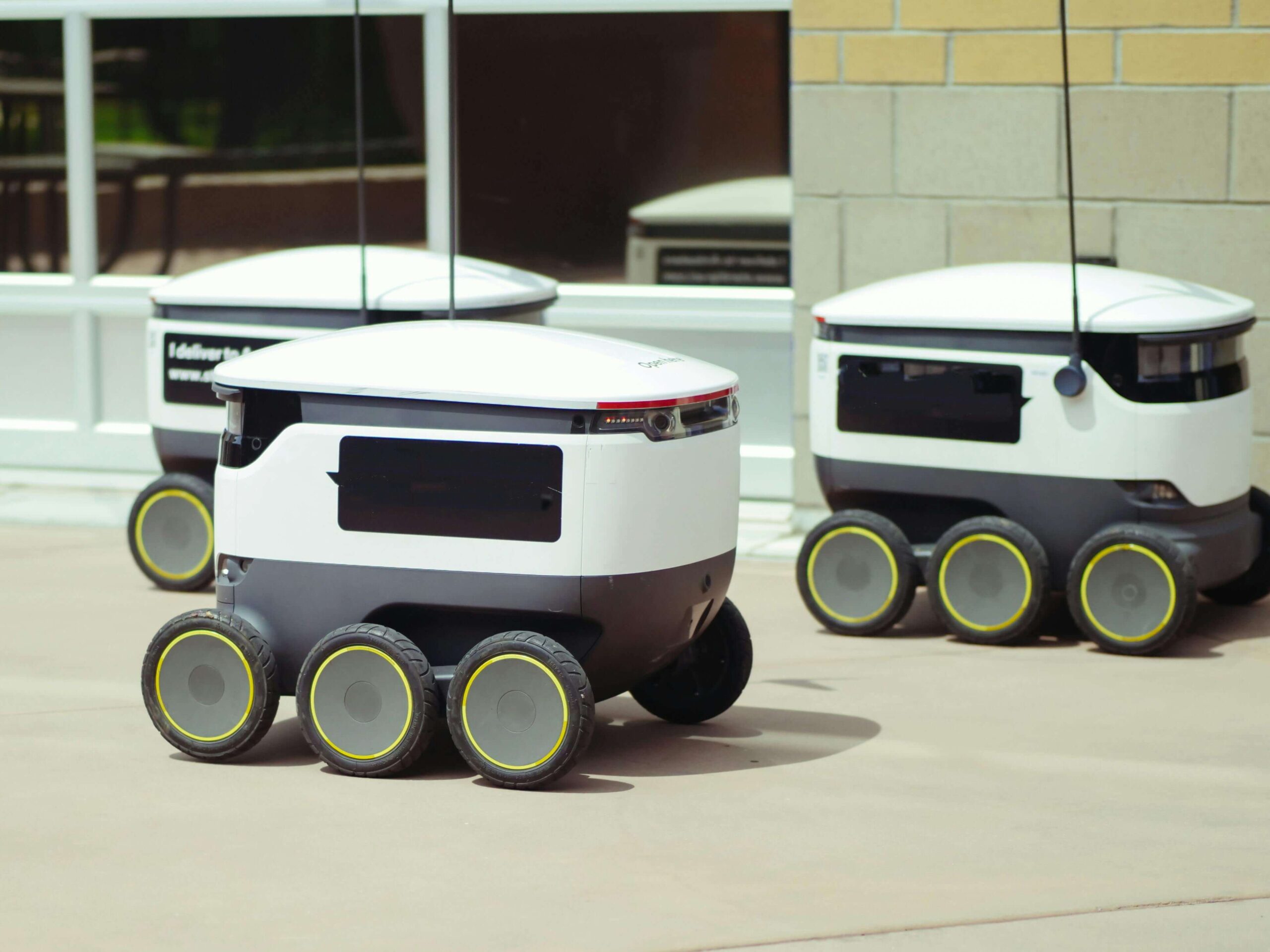
The demand for AI as a Service is growing rapidly. As AI technologies continue to improve, more businesses will adopt cloud-based AI solutions.
In the future, AIaaS platforms are expected to provide:
- More advanced automation tools
- Improved machine learning models
- Better integration with business applications
- More secure and privacy-focused solutions
Small businesses and startups will increasingly rely on AIaaS to compete with larger organizations.
The accessibility of AI through cloud services will drive innovation across many industries.
Conclusion
AI as a Service is making artificial intelligence more accessible and affordable for businesses around the world. By providing AI tools through cloud platforms, companies can use advanced technologies without building complex systems themselves.
From machine learning and natural language processing to computer vision and chatbots, AIaaS is helping organizations automate tasks, analyze data, and improve decision-making.
Despite challenges such as data privacy and cloud dependency, AI as a Service is expected to play a major role in the future of technology. Businesses that adopt AIaaS can gain a competitive advantage and unlock new opportunities for growth and innovation.
As artificial intelligence continues to evolve, AI as a Service will remain a powerful solution for organizations looking to harness the full potential of AI.