AI and institutional trust: Artificial Intelligence (AI) has become one of the most powerful technologies of the modern era. From healthcare and education to finance and government, AI is transforming how organizations operate and how people interact with technology. However, as AI continues to evolve, many critics argue that it could weaken or even destroy important social institutions.
The idea that AI could damage institutions such as governments, universities, media organizations, and businesses has sparked serious debates. Some believe AI may reduce human control, disrupt jobs, spread misinformation, and weaken trust in traditional systems.
But is AI truly destroying institutions, or is it simply forcing them to evolve?
This article responds to the claim that “AI destroys institutions” by examining the real effects of artificial intelligence on society, organizations, and governance. Instead of destroying institutions, AI is more accurately reshaping them and pushing them toward modernization.
Understanding the Concern: Why People Fear AI

Before responding to the claim, it is important to understand why some people believe AI threatens institutions.
Institutions are systems that help organize society. These include governments, schools, media organizations, financial systems, and corporations. They provide stability, trust, and structure in everyday life.
Critics argue that AI could weaken these institutions in several ways:
- Automation replacing human workers
- AI-generated misinformation damaging media credibility
- Technology companies gaining too much power
- Decision-making shifting from humans to algorithms
- Reduced trust in traditional systems
These concerns are valid, but they do not necessarily mean AI will destroy institutions. In reality, technology has always changed institutions rather than eliminating them completely.
History Shows Technology Transforms Institutions
Throughout history, major technological innovations have reshaped institutions.
For example, the printing press revolutionized education and media by making information widely available. The internet transformed communication, journalism, and business models. Smartphones changed how people access services, communicate, and work.
At each stage, institutions faced disruption and criticism. However, instead of disappearing, they adapted and evolved.
Similarly, AI represents another phase of technological transformation rather than institutional collapse.
AI Can Strengthen Institutions
Instead of destroying institutions, AI can actually strengthen them in several ways.
Improving Efficiency
Many institutions suffer from slow processes, bureaucracy, and outdated systems. AI can automate repetitive tasks and improve operational efficiency.
For example:
- Governments can use AI to process public services faster.
- Healthcare systems can analyze medical data more accurately.
- Financial institutions can detect fraud more effectively.
These improvements make institutions more responsive and reliable.
Enhancing Decision Making
AI systems can analyze vast amounts of data in seconds. This allows organizations to make better and faster decisions.
For example, AI can help governments:
- Predict economic trends
- Plan infrastructure projects
- Respond to disasters more effectively
When used responsibly, AI can improve the quality of institutional decision-making.
Increasing Access to Services
AI technologies can also expand access to services that institutions provide.
In education, AI-powered platforms can personalize learning experiences for students. In healthcare, AI tools can assist doctors in diagnosing diseases earlier.
These improvements make institutions more accessible and inclusive.
The Role of Human Oversight
One of the biggest concerns about AI is the fear that machines will replace human decision-making.
However, successful AI systems still rely on human oversight. AI tools work best when they support human expertise rather than replace it.
For example:
- Doctors use AI to assist in medical diagnoses.
- Journalists use AI tools to analyze data and generate insights.
- Governments use AI systems to support policy analysis.
In these cases, humans remain responsible for final decisions. AI acts as a powerful tool rather than an independent authority.
Addressing the Risk of Misinformation
Another major concern is the spread of AI-generated misinformation. Advanced AI systems can create realistic text, images, and videos, making it harder to distinguish real information from fake content.
This challenge is particularly important for media institutions and democratic systems.
However, institutions are already responding by developing new solutions, such as:
- AI detection tools
- Fact-checking technologies
- Digital authentication systems
- Improved media literacy programs
Just as institutions adapted to the rise of social media, they will continue developing strategies to manage AI-generated content.
The Need for Responsible AI Governance
While AI offers many benefits, it must be governed responsibly.
Governments, businesses, and technology companies must collaborate to create clear policies that regulate AI development and use.
Responsible AI governance includes:
- Transparency in AI decision-making
- Protection of personal data
- Fair and unbiased algorithms
- Accountability for AI outcomes
Strong regulations and ethical standards will ensure AI strengthens institutions instead of undermining them.
Institutional Adaptation in the AI Era
Institutions that adapt to AI will become stronger and more effective. Those that resist change may struggle.
Many organizations are already integrating AI into their operations.
Universities are using AI-powered tools to enhance learning. Financial institutions are using AI to detect fraud and manage risk. Governments are exploring AI for public services and urban planning.
These changes demonstrate that institutions are evolving rather than disappearing.
Preparing Society for AI Transformation
To ensure AI benefits society, institutions must also invest in education and workforce development.
Workers will need new skills to collaborate with AI technologies. Governments and educational institutions should promote training programs that focus on:
- Digital literacy
- Data analysis
- AI ethics
- Critical thinking
Preparing the workforce for the AI era will reduce fears about automation and help societies adapt to technological change.
A Balanced Perspective on AI
The claim that AI destroys institutions often focuses only on potential risks while ignoring the technology’s benefits.
AI can certainly disrupt existing systems, but disruption is not the same as destruction. In many cases, disruption leads to improvement.
Institutions that embrace innovation while maintaining ethical standards will remain strong and relevant.
The key challenge is not stopping AI development but guiding it responsibly.
The Future Relationship Between AI and Institutions
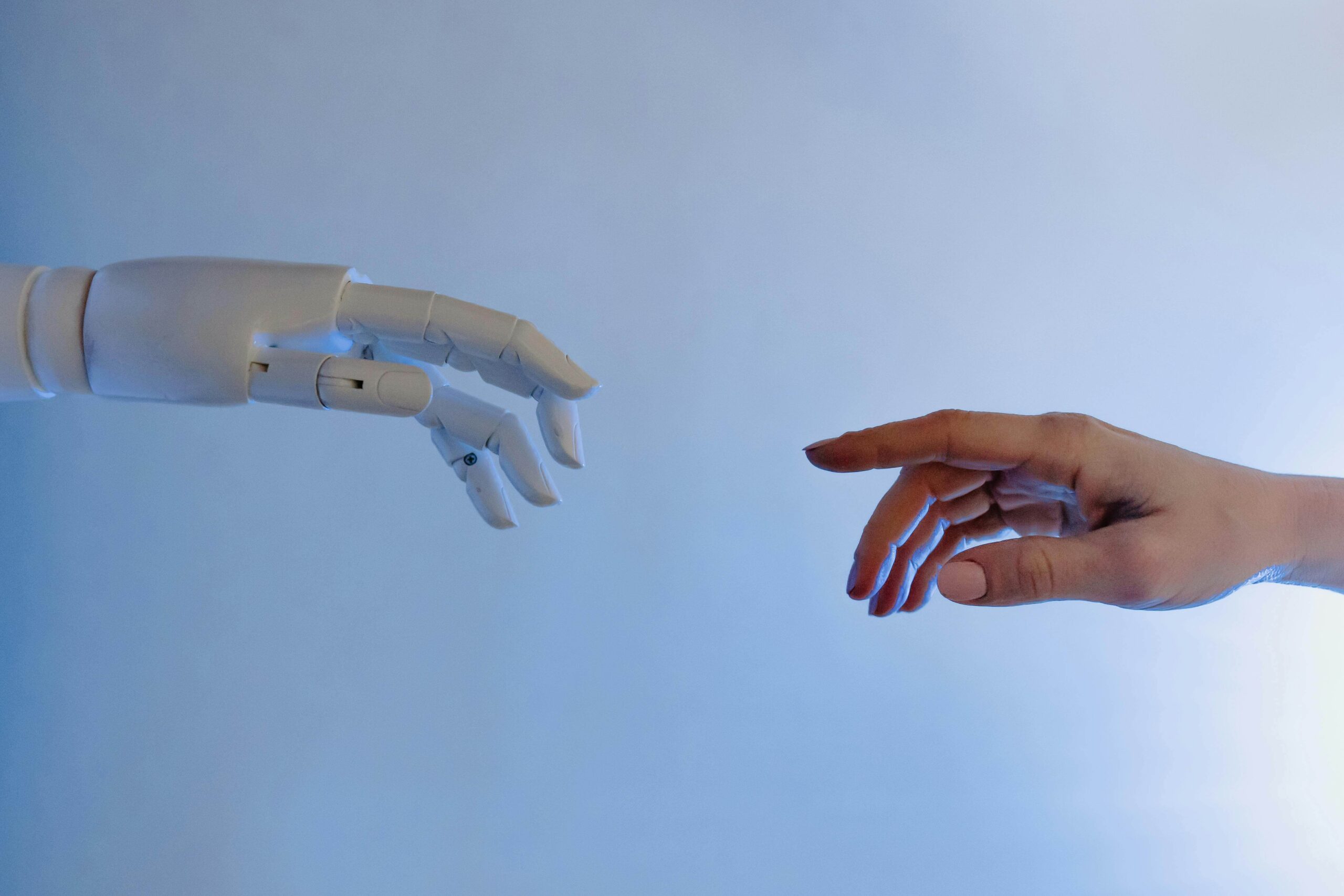
Looking ahead, AI will likely become deeply integrated into institutional systems.
Governments may use AI to design smarter public policies. Healthcare systems will use AI to improve patient outcomes. Businesses will rely on AI for strategic planning and customer engagement.
Rather than replacing institutions, AI will become an essential tool that helps them operate more effectively.
The future will involve collaboration between human expertise and intelligent machines.
Conclusion
The idea that artificial intelligence will destroy institutions is an understandable concern, but it oversimplifies the reality of technological change. History shows that new technologies reshape institutions rather than eliminate them.
AI has the potential to improve efficiency, strengthen decision-making, and expand access to services. However, achieving these benefits requires responsible governance, ethical development, and continued human oversight.
Institutions must evolve alongside technological advancements. By embracing innovation while protecting societal values, organizations can ensure that AI becomes a force for progress rather than disruption.
Ultimately, the future of institutions in the AI era depends not on the technology itself but on how humans choose to use it.