

AI Hyperspectral Biomass Estimator: Cyanobacteria, often referred to as blue-green algae, are among the oldest life forms on Earth. Today, they are gaining renewed attention due to their immense potential in biofuel production, carbon capture, pharmaceuticals, and sustainable agriculture. However, one major challenge in cyanobacteria cultivation is accurately estimating biomass in real-time. Traditional methods are often slow, labor-intensive, and sometimes destructive.
This is where artificial intelligence (AI) combined with hyperspectral imaging is stepping in as a game-changing solution. An AI-based hyperspectral biomass estimator offers a non-invasive, efficient, and highly accurate way to monitor cyanobacteria growth. This integration is reshaping how researchers and industries approach large-scale cultivation.
Understanding Cyanobacteria Biomass Estimation
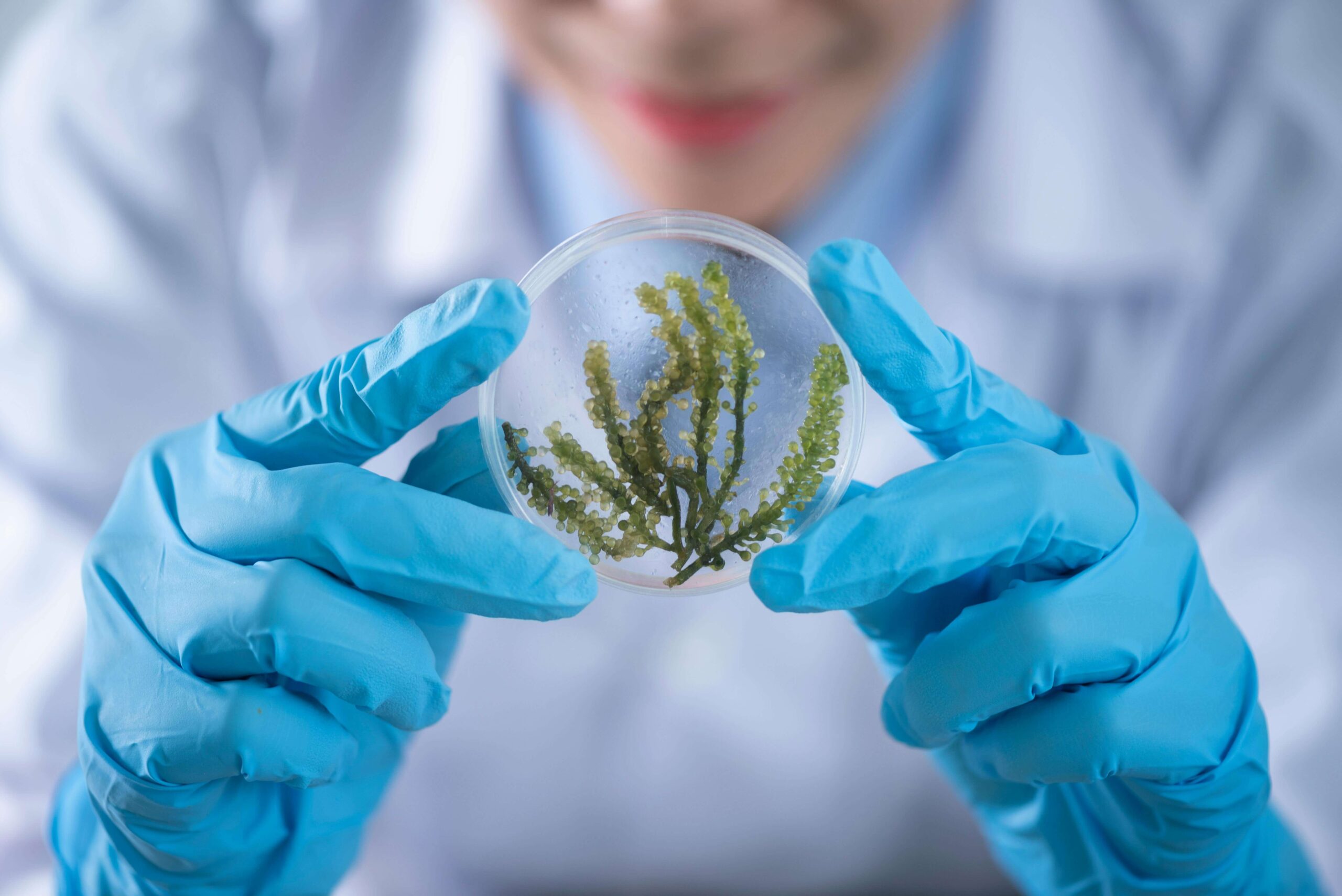
Biomass estimation refers to measuring the total mass of living organisms in a given area or volume. In cyanobacteria cultivation, biomass directly correlates with productivity, making it a crucial parameter for monitoring growth and optimizing yields.
Traditional biomass estimation methods include:
- Dry weight measurement
- Optical density analysis
- Chlorophyll content evaluation
While these techniques are reliable, they come with limitations. They often require sampling, which can disturb the culture, and they do not provide continuous monitoring. In large-scale bioreactors, these methods become inefficient and time-consuming.
What is Hyperspectral Imaging?
Hyperspectral imaging (HSI) is an advanced imaging technique that captures information across a wide range of electromagnetic wavelengths. Unlike standard imaging, which captures only visible light, hyperspectral imaging records hundreds of spectral bands.
Each pixel in a hyperspectral image contains a full spectrum, acting like a “fingerprint” of the material. For cyanobacteria, these spectral signatures reveal detailed information about:
- Pigment composition
- Cellular structure
- Growth phase
- Nutrient status
This makes hyperspectral imaging an ideal tool for analyzing biological systems non-destructively.
The Role of Artificial Intelligence
Hyperspectral data is rich but complex. A single image can contain massive amounts of information that are difficult to interpret using traditional methods. This is where AI becomes essential.
Artificial intelligence, particularly machine learning and deep learning models, can:
- Analyze large spectral datasets quickly
- Identify patterns invisible to the human eye
- Build predictive models for biomass estimation
- Continuously improve accuracy with new data
By combining AI with hyperspectral imaging, researchers can create intelligent systems that predict biomass levels in real time without manual intervention.
How the AI-Based Hyperspectral Biomass Estimator Works
The process typically involves several key steps:
1. Data Acquisition
Hyperspectral cameras capture images of cyanobacteria cultures. These images include spectral data across multiple wavelengths.
2. Preprocessing
Raw data is cleaned and corrected for noise, lighting variations, and environmental factors to ensure accuracy.
3. Feature Extraction
Important spectral features related to biomass are identified. This may include specific wavelength bands associated with chlorophyll or other pigments.
4. Model Training
AI models, such as neural networks or regression algorithms, are trained using labeled data where biomass values are already known.
5. Prediction
Once trained, the model can estimate biomass in new samples instantly by analyzing their spectral signatures.
6. Continuous Learning
The system improves over time as more data is collected, making predictions increasingly accurate.
Advantages of This Approach
The integration of AI and hyperspectral imaging offers several compelling benefits:
- Non-Destructive Monitoring
Unlike traditional methods, there is no need to extract samples, preserving the integrity of the culture.
Real-Time Analysis
Continuous monitoring allows for immediate adjustments in cultivation conditions.
- High Accuracy
AI models can capture subtle variations in spectral data, leading to precise biomass estimations.
- Scalability
The system can be applied to both laboratory setups and large industrial bioreactors.
- Cost Efficiency in the Long Run
Although initial setup costs may be high, automation and reduced labor lead to long-term savings.
Applications in Cyanobacteria Cultivation
- Biofuel Production
Cyanobacteria are promising candidates for biofuel due to their ability to produce lipids and other energy-rich compounds. Accurate biomass estimation ensures optimal harvesting times, maximizing fuel yield.
- Carbon Sequestration
Monitoring biomass helps track how effectively cyanobacteria absorb carbon dioxide, contributing to climate change mitigation strategies.
- Pharmaceuticals
Cyanobacteria produce bioactive compounds used in medicines. AI-based monitoring ensures consistent quality and productivity.
- Agriculture
Cyanobacteria are used as biofertilizers. Understanding biomass growth helps in scaling production for agricultural use.
Challenges and Limitations
Despite its potential, this technology is not without challenges:
- High Initial Costs
Hyperspectral cameras and AI infrastructure can be expensive, limiting accessibility for smaller operations.
- Data Complexity
Handling and processing hyperspectral data requires expertise in both imaging and machine learning.
- Model Generalization
AI models trained on specific datasets may not perform well in different environments without retraining.
Environmental Variability
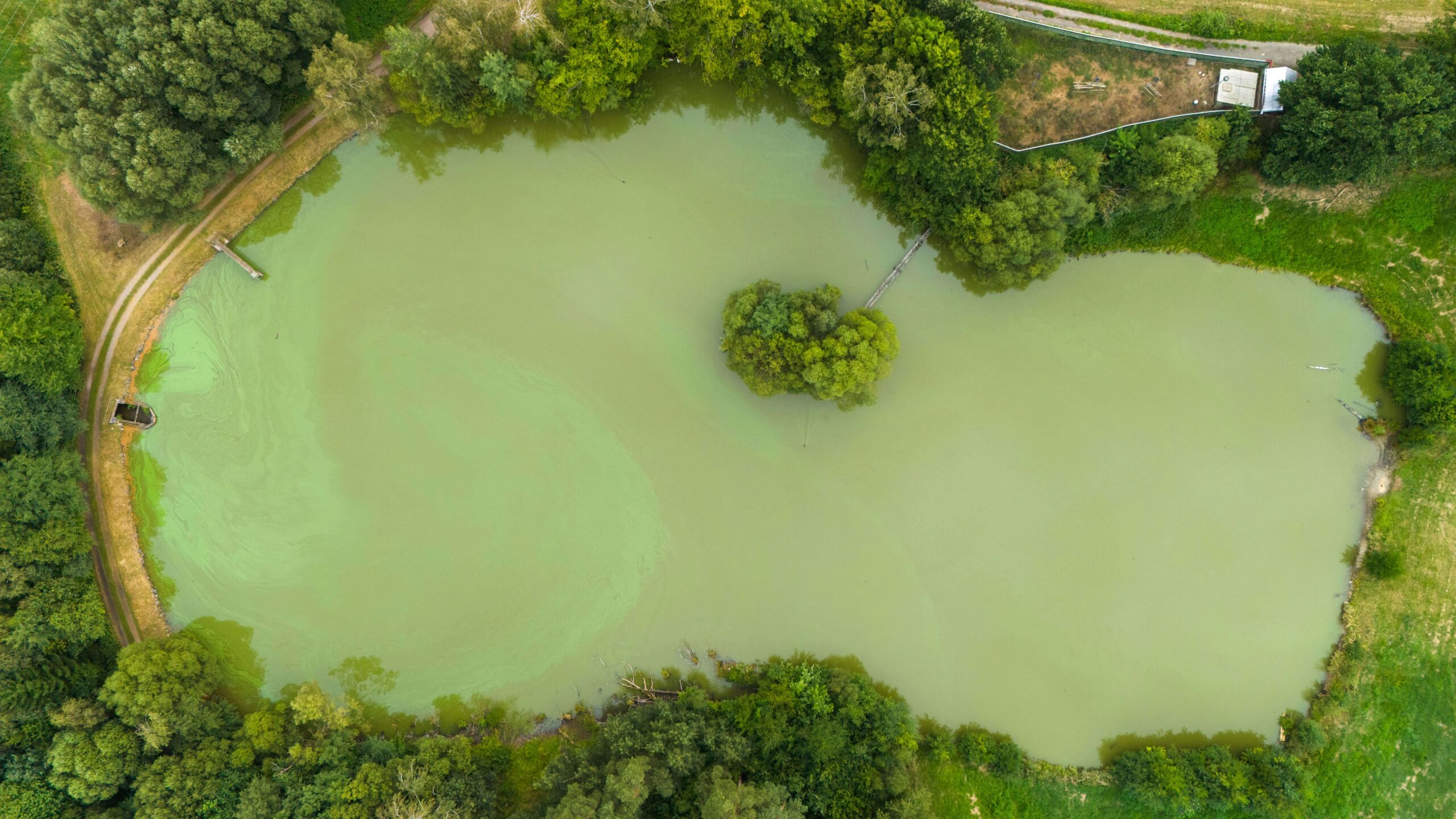
Changes in lighting, temperature, and water quality can affect spectral readings, requiring robust calibration.
Future Prospects
The future of AI-based hyperspectral biomass estimation looks promising. As technology advances, several trends are expected:
- Miniaturization of Sensors
Portable and affordable hyperspectral devices will make this technology more accessible.
- Integration with IoT
Combining AI systems with Internet of Things (IoT) devices will enable fully automated cultivation systems.
- Cloud-Based Analytics
Data can be processed and analyzed in the cloud, allowing remote monitoring and control.
- Improved AI Models
Advancements in deep learning will enhance prediction accuracy and adaptability.
- Sustainability Impact
This technology will play a key role in scaling sustainable bio-based industries, reducing reliance on fossil fuels.
Conclusion
The combination of artificial intelligence and hyperspectral imaging represents a powerful innovation in cyanobacteria cultivation. By enabling real-time, non-destructive, and highly accurate biomass estimation, this approach addresses one of the biggest challenges in the field.
While there are hurdles to overcome, ongoing advancements in AI and imaging technologies are rapidly making this solution more practical and accessible. As industries move toward sustainability and efficiency, AI-based hyperspectral biomass estimators are set to become an essential tool in biotechnology and environmental management.
This fusion of biology and technology not only enhances productivity but also opens new doors for research and innovation. In a world increasingly focused on sustainable solutions, such intelligent systems could play a pivotal role in shaping the future.