

AI in investing: Artificial intelligence (AI) has rapidly transformed the world of finance, especially in investing. From algorithmic trading to robo-advisors, AI systems are making decisions that once required human intuition and expertise. But as these systems grow more sophisticated, an intriguing question arises: does AI think like a human investor?
At first glance, AI appears to outperform humans in many areas—it processes vast amounts of data in seconds, identifies patterns, and executes trades with precision. However, investing is not purely a mathematical exercise. Human investors are influenced by emotions, biases, instincts, and experiences. AI, on the other hand, is often perceived as objective and rational.
Yet, the reality is more complex. AI systems can inherit biases from data, mimic human behavior, and even amplify irrational patterns. This has led to the concept of “artificially biased intelligence”—where AI reflects, and sometimes exaggerates, the same cognitive biases found in human investors.
How Human Investors Think
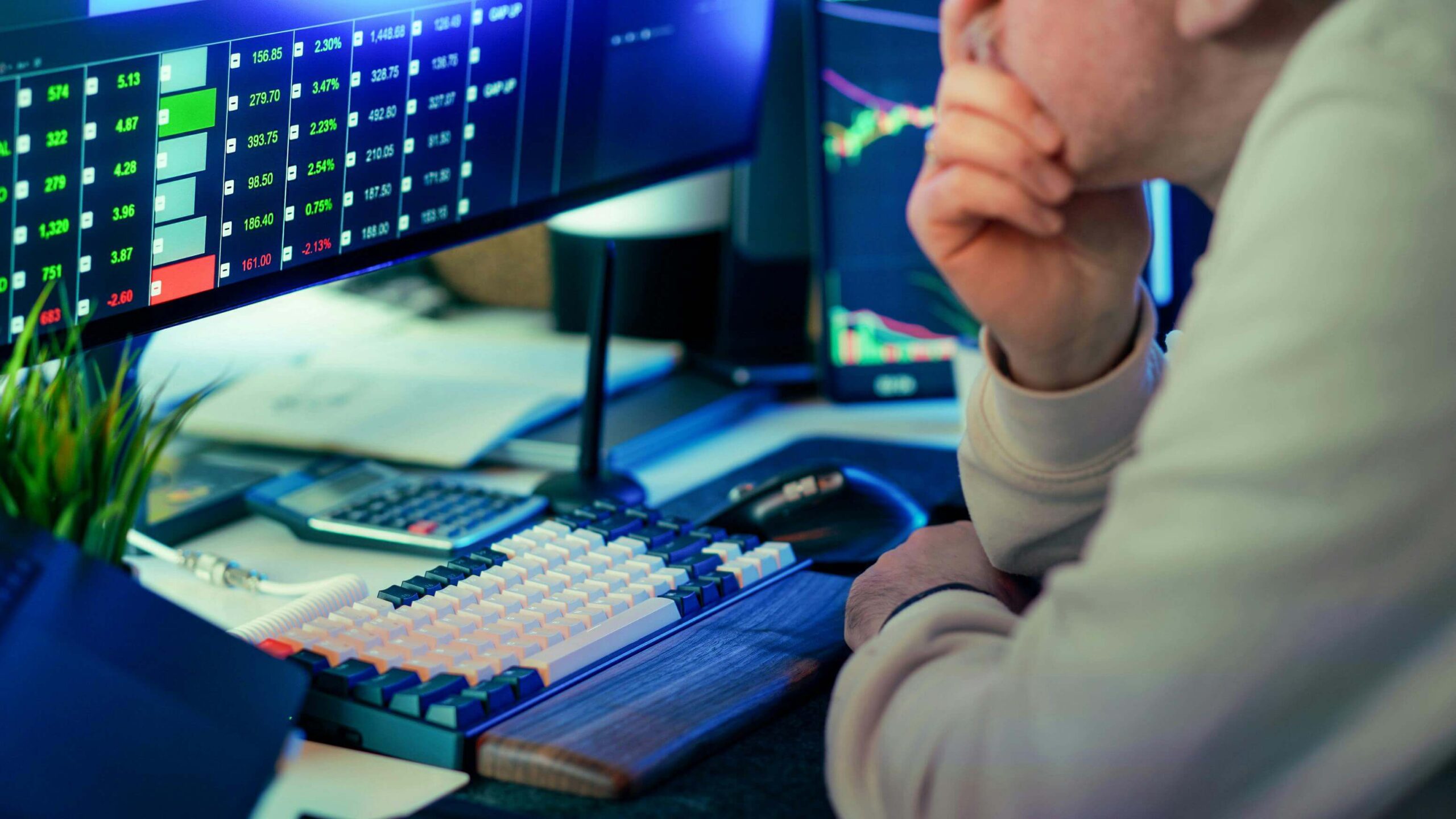
To understand whether AI thinks like a human investor, we must first explore how humans make investment decisions.
Human investors rely on a mix of:
- Rational analysis: Evaluating financial data, market trends, and company performance
- Emotions: Fear, greed, and overconfidence often influence decisions
- Heuristics: Mental shortcuts used to simplify complex decisions
- Experience: Past successes and failures shape future choices
While these factors can lead to insightful decisions, they also introduce biases.
Common Investor Biases
- Overconfidence Bias: Believing one’s judgment is better than it actually is
- Loss Aversion: Preferring to avoid losses rather than achieve gains
- Herd Behavior: Following the crowd instead of independent analysis
- Recency Bias: Giving more weight to recent events
These biases can lead to suboptimal investment decisions, market bubbles, and crashes.
How AI Makes Investment Decisions
AI approaches investing differently. Instead of emotions and intuition, it relies on:
- Historical data
- Statistical models
- Machine learning algorithms
- Real-time market inputs
AI systems are trained to identify patterns and predict outcomes based on data. In theory, this makes them more objective and less prone to emotional errors.
For example, an AI model can analyze thousands of stocks simultaneously, detect correlations, and execute trades in milliseconds—something no human can achieve.
The Illusion of Objectivity
While AI is often seen as unbiased, this perception can be misleading. AI systems are only as good as the data they are trained on. If the data contains biases, the AI will learn and replicate them.
This is where “artificially biased intelligence” comes into play.
Sources of AI Bias in Investing
- Historical Data Bias
If past market data reflects human biases, AI models will learn those patterns. For instance, if certain sectors were historically favored due to investor sentiment, AI may continue to favor them. - Algorithm Design
Developers may unintentionally embed biases into algorithms through their assumptions and choices. - Feedback Loops
AI systems that learn from market behavior can reinforce existing trends, creating self-fulfilling prophecies. - Data Selection
The type and quality of data used can influence outcomes, leading to skewed predictions.
Does AI Mimic Human Behavior?
Interestingly, AI can begin to mimic human investor behavior—even without emotions.
Pattern Recognition vs. Emotion
AI identifies patterns in data that may correspond to human actions. For example:
- If investors tend to panic during market downturns, AI may learn to sell during similar conditions
- If markets rally due to hype, AI may recognize and follow the trend
In this way, AI can replicate behaviors that appear emotional, even though it does not “feel” anything.
Emergent Bias
Over time, AI systems interacting with markets can develop emergent behaviors that resemble human biases. This can lead to:
- Trend-following strategies (similar to herd behavior)
- Overreaction to new data (similar to recency bias)
- Reinforcement of popular investment themes
Advantages of AI in Investing
Despite concerns about bias, AI offers significant advantages over human investors.
Data Processing Power
AI can analyze vast datasets بسرعة ودقة، مما يساعد في اتخاذ قرارات مستنيرة.
Consistency
Unlike humans, AI does not get tired, emotional, or distracted. It applies the same logic consistently.
Speed
AI can execute trades in milliseconds, taking advantage of market opportunities in real time.
Risk Management
AI models can continuously monitor risk and adjust strategies accordingly.
Limitations of AI Compared to Humans
While AI excels in many areas, it still falls short in others.
Lack of Intuition
Human investors often rely on intuition and qualitative insights, such as understanding management quality or market sentiment—areas where AI struggles.
Contextual Understanding
AI may misinterpret data without understanding the broader context, such as political events or cultural factors.
Overfitting
AI models can become too tailored to historical data, reducing their effectiveness in new or unexpected situations.
Ethical Concerns
AI-driven investing raises questions about fairness, transparency, and accountability.
The Hybrid Approach: Human + AI
Rather than replacing human investors, the future lies in combining human intelligence with AI capabilities.
How This Works
- AI handles data analysis and pattern recognition
- Humans provide strategic direction and judgment
- Decisions are made collaboratively
This hybrid approach leverages the strengths of both sides while mitigating their weaknesses.
Real-World Implications
The rise of AI in investing has broader implications for financial markets.
Market Efficiency
AI can improve market efficiency by quickly incorporating information into prices.
Increased Volatility
At the same time, AI-driven trading can amplify market movements, leading to sudden spikes or crashes.
Democratization of Investing
Robo-advisors and AI tools make investing more accessible to individuals who lack financial expertise.
Regulatory Challenges
Regulators must adapt to ensure that AI-driven markets remain fair and transparent.
Ethical and Regulatory Considerations
As AI becomes more influential in investing, ethical considerations become increasingly important.
Transparency
Investors need to understand how AI systems make decisions.
Accountability
Who is responsible if an AI system makes a poor investment decision?
Fairness
Ensuring that AI does not create or reinforce inequalities in financial markets.
Governments and financial institutions must work together to establish guidelines that promote responsible AI use.
The Future of AI in Investing

The future of AI in investing is both exciting and uncertain. Advances in technology will likely lead to:
- More sophisticated predictive models
- Integration of alternative data sources (e.g., social media, satellite imagery)
- Greater personalization of investment strategies
However, the challenge will be to ensure that these advancements are used responsibly and do not exacerbate existing biases.
Conclusion
So, does AI think like a human investor? The answer is both yes and no.
AI does not experience emotions or intuition, which are central to human decision-making. However, it can mimic human behavior by learning from data that reflects human biases. In doing so, it may replicate—and even amplify—the same patterns that influence human investors.
The concept of “artificially biased intelligence” highlights the importance of understanding the limitations of AI. While it offers powerful tools for investing, it is not immune to bias or error.
Ultimately, the most effective approach is not to choose between humans and AI, but to combine their strengths. By doing so, we can create a more balanced, informed, and resilient investment landscape.