

South American Wines Analysis with AI: The global wine industry has always been a blend of tradition, culture, and craftsmanship. South America, in particular, has emerged as a significant player in this space, offering a diverse range of wines that reflect the region’s unique geography and climate. Countries like Argentina and Chile are now globally recognized for their premium wine production. However, as the industry grows more competitive, winemakers and researchers are increasingly turning to Artificial Intelligence (AI) to better understand wine characteristics, consumer preferences, and market trends. This is where exploratory data analysis (EDA) powered by AI becomes a game-changer.
Understanding Exploratory Data Analysis in Wine Research
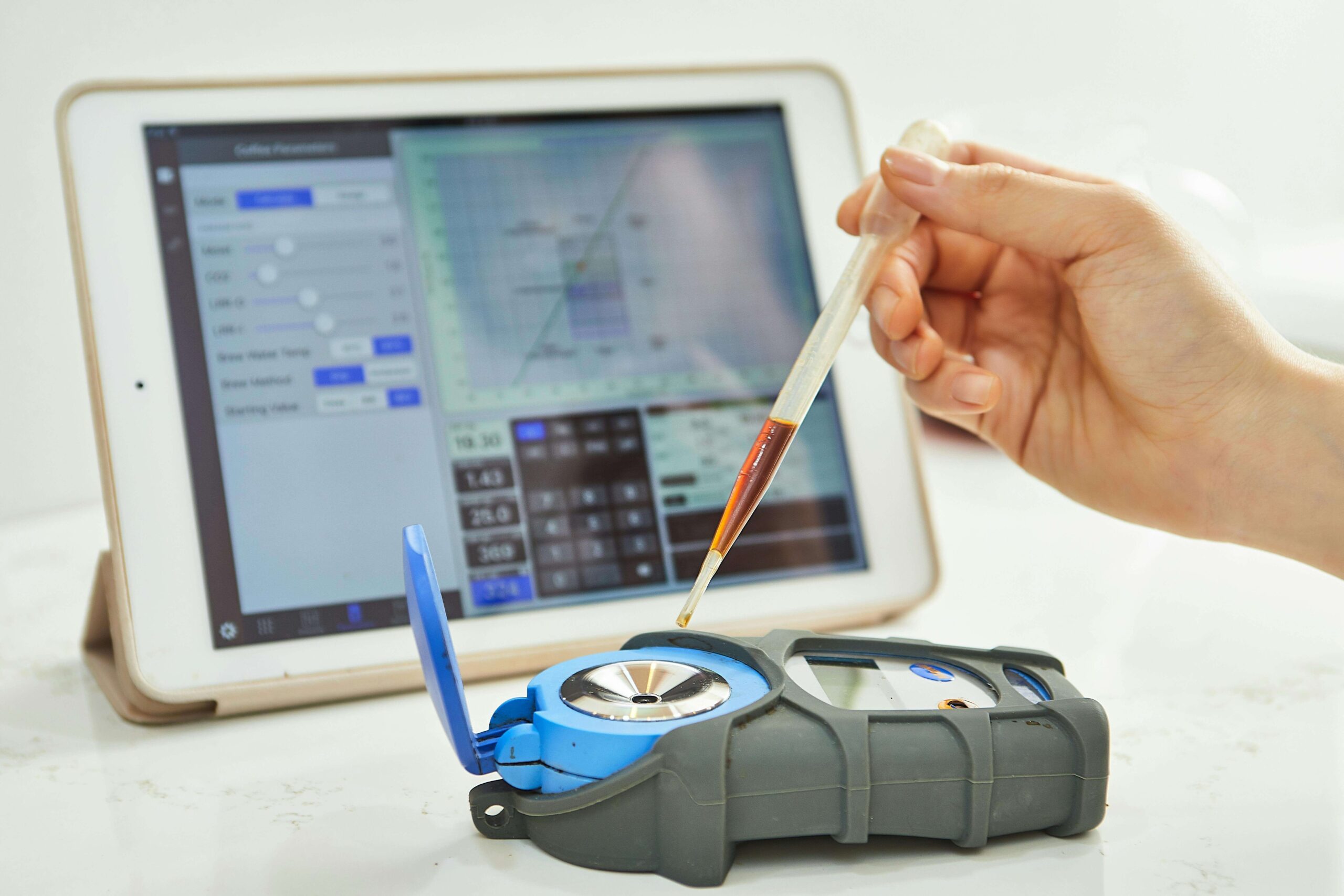
Exploratory Data Analysis is the process of examining datasets to summarize their main characteristics, often using statistical graphics and visualization tools. When applied to South American wines, EDA helps uncover patterns related to grape varieties, flavor profiles, alcohol content, regional differences, and pricing strategies.
Traditionally, wine analysis relied heavily on human expertise—sommeliers, tasters, and vineyard specialists. While their role remains crucial, AI enhances this process by analyzing vast datasets far beyond human capacity. AI-driven EDA can identify hidden correlations, anomalies, and trends that may otherwise go unnoticed.
The Role of AI in Wine Data Exploration
Artificial Intelligence, especially machine learning algorithms, can process structured and unstructured wine data. This includes information such as:
- Grape variety (Malbec, Cabernet Sauvignon, Carménère)
- Region of origin (Mendoza, Maipo Valley, Colchagua Valley)
- Chemical composition (acidity, sugar levels, tannins)
- Consumer ratings and reviews
- Pricing and sales data
AI models can cluster wines based on similarities, predict quality scores, and even recommend wines to consumers. For example, unsupervised learning techniques like clustering can group wines with similar taste profiles, helping producers understand how their products compare in the market.
South America’s Unique Wine Landscape
South America offers a rich diversity of terroirs—environmental conditions that affect wine production. Argentina’s high-altitude vineyards in Mendoza produce bold and fruity Malbec wines, while Chile’s coastal regions create more balanced and mineral-rich varieties.
Using AI-based EDA, researchers can analyze how factors like altitude, soil type, and climate influence wine quality. For instance, a dataset may reveal that wines grown at higher altitudes tend to have higher acidity and more concentrated flavors. These insights help winemakers refine their cultivation and production techniques.
Data Collection and Preparation
Before AI can perform exploratory analysis, data must be collected and cleaned. Wine datasets typically come from sources such as:
- Wine review platforms
- Industry reports
- Vineyard records
- Laboratory analyses
Data cleaning involves handling missing values, correcting inconsistencies, and standardizing formats. AI tools can automate much of this process, ensuring accuracy and efficiency.
Once prepared, the data is ready for visualization and analysis. Tools like Python libraries (Pandas, Matplotlib, Seaborn) or AI platforms can generate graphs and dashboards that make complex data easier to understand.
Key Insights from AI-Driven EDA
When AI is applied to South American wine datasets, several interesting insights often emerge:
- Regional Strengths
Argentina dominates in Malbec production, while Chile excels in Carménère and Sauvignon Blanc. AI models can quantify these strengths and highlight emerging regions. - Price vs. Quality Relationship
Contrary to common belief, higher price does not always guarantee better quality. AI analysis often reveals clusters of affordable wines with high ratings, offering valuable insights for consumers. - Flavor Profiles and Consumer Preferences
By analyzing reviews and tasting notes, AI can identify popular flavor profiles such as fruity, spicy, or oaky. This helps producers align their offerings with market demand. - Impact of Climate Change
AI can track changes in temperature and rainfall patterns and correlate them with wine characteristics. This allows winemakers to adapt to environmental challenges. - Market Trends and Demand Forecasting
AI models can predict future demand for specific wine types based on historical sales data, helping businesses make informed decisions.
Visualization Techniques in Wine Analysis
Visualization plays a crucial role in EDA. AI tools generate various types of visual representations, including:
- Histograms to show distribution of alcohol content or ratings
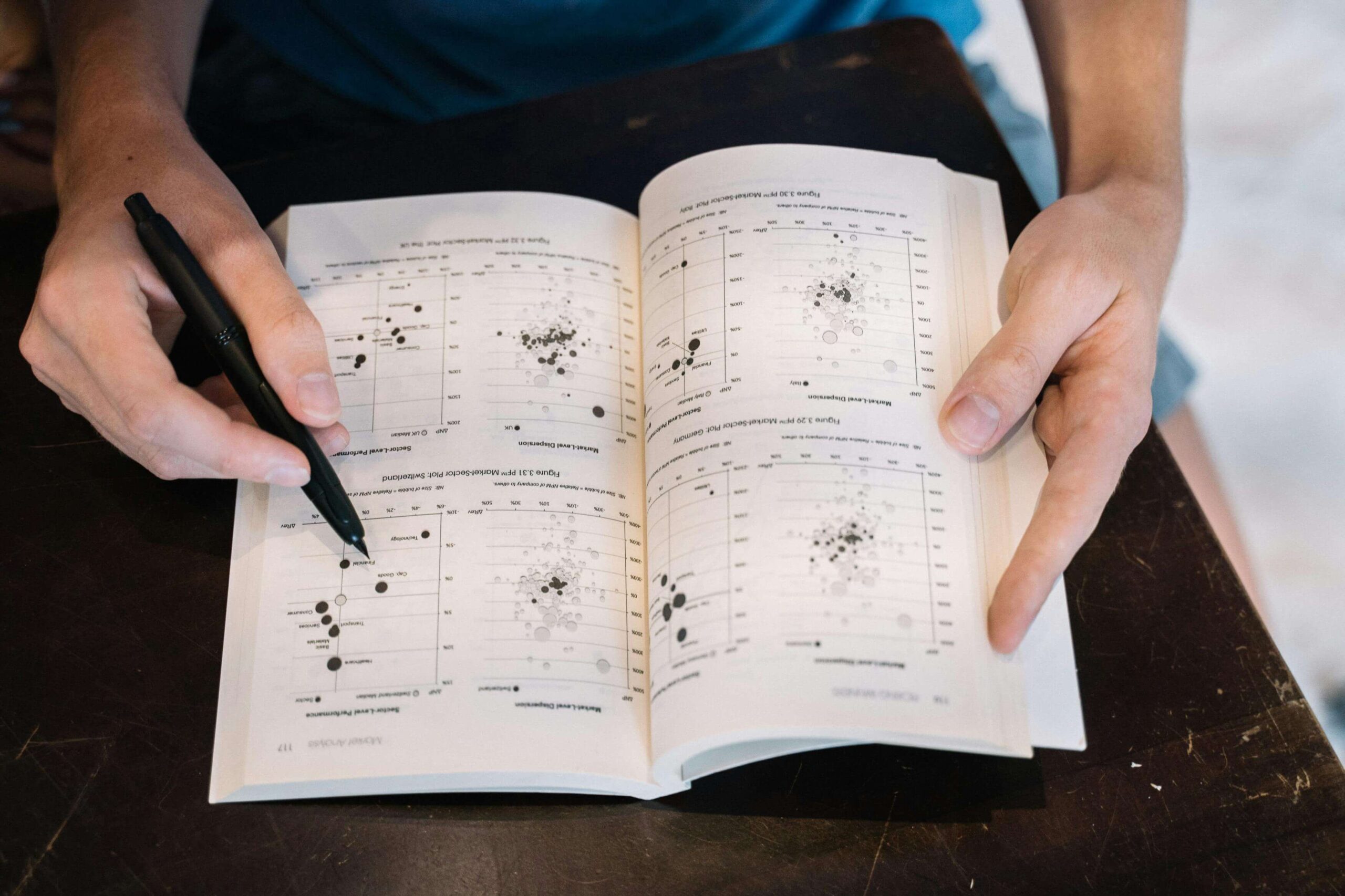
- Scatter plots to examine relationships between price and quality
- Heatmaps to identify correlations between variables
- Cluster maps to group similar wines
These visualizations make it easier to interpret complex datasets and communicate findings effectively.
Benefits for Stakeholders
AI-driven exploratory analysis benefits multiple stakeholders in the wine industry:
- Winemakers gain insights into improving production quality and consistency
- Retailers can optimize inventory based on demand patterns
- Consumers receive personalized recommendations
- Researchers can explore new hypotheses about wine characteristics
For South American producers, this technology provides a competitive edge in the global market.
Challenges and Limitations
Despite its advantages, AI-based wine analysis comes with challenges:
- Data Quality Issues: Incomplete or biased datasets can lead to inaccurate conclusions
- Interpretability: Complex AI models can be difficult to interpret for non-experts
- Cost and Accessibility: Implementing AI solutions may require significant investment
- Cultural Factors: Wine appreciation is subjective and influenced by cultural preferences, which AI may not fully capture
Addressing these challenges requires a balanced approach that combines AI insights with human expertise.
The Future of AI in South American Wine Analysis
The integration of AI into wine analysis is still evolving. Future developments may include:
- Advanced sensory analysis using AI-powered tasting systems
- Real-time vineyard monitoring through IoT and AI integration
- Enhanced recommendation systems for global consumers
- Blockchain integration for supply chain transparency
As technology advances, South American wine producers are likely to adopt more sophisticated AI tools, further enhancing their global reputation.
Conclusion
Exploratory analysis of South American wines using Artificial Intelligence represents a powerful fusion of tradition and technology. By leveraging AI-driven insights, the wine industry can better understand its products, optimize production processes, and meet consumer demands more effectively.
While AI cannot replace the artistry and cultural richness of winemaking, it serves as a valuable tool that complements human expertise. For South America, this means not only preserving its heritage but also embracing innovation to thrive in an increasingly data-driven world.