

Emotional Intelligence in AI: In recent years, artificial intelligence has moved far beyond simple automation. It now writes emails, answers customer queries, recommends content, and even engages in conversations that feel surprisingly human. But as powerful as AI has become, one critical question remains: can machines truly understand human emotions?
This is where emotional intelligence (EI) comes into play. Traditionally associated with humans, emotional intelligence refers to the ability to recognize, understand, and manage emotions—both our own and those of others. Now, developers and researchers are working to integrate this very human trait into AI tools, aiming to make technology not just smarter, but more empathetic.
What Is Emotional Intelligence in AI?
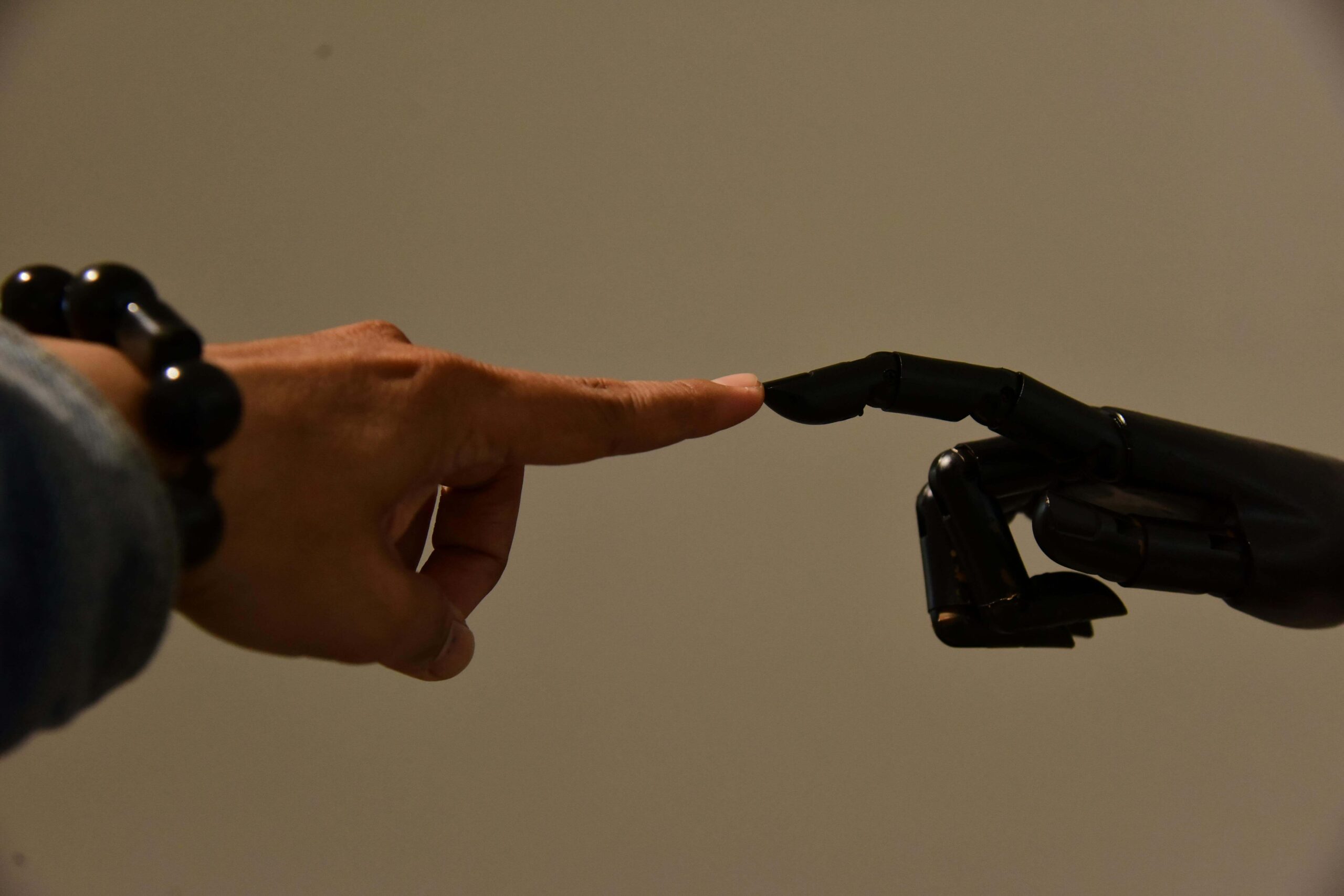
Emotional intelligence in AI doesn’t mean machines actually feel emotions. Instead, it means they can:
- Detect emotional cues (text, voice, facial expressions)
- Interpret those cues accurately
- Respond in ways that feel appropriate and supportive
For example, an AI chatbot that recognizes frustration in a user’s message might respond with patience and reassurance instead of giving a blunt or robotic reply.
This shift transforms AI from a purely functional tool into something more relational and human-centered.
Why Emotional Intelligence Matters in AI
Technology is deeply embedded in our daily lives. From customer service bots to virtual assistants, we interact with AI more often than we realize. When these systems lack emotional awareness, interactions can feel cold, frustrating, or even alienating.
Emotionally intelligent AI can:
- Improve user experience
- Build trust and engagement
- Reduce misunderstandings
- Provide better support in sensitive situations
Imagine contacting customer support after a stressful day. A system that acknowledges your frustration and responds with empathy can make a huge difference.
Applications of Emotionally Intelligent AI
1. Customer Service and Support
AI chatbots are widely used in customer service. By integrating emotional intelligence, they can detect whether a customer is confused, angry, or satisfied—and adjust their tone accordingly. This leads to more positive interactions and higher customer satisfaction.
2. Mental Health and Well-being
AI tools are increasingly being used in mental health support. Emotionally aware systems can identify signs of stress, anxiety, or sadness in user input and respond with supportive language or suggest professional help when needed.
3. Education and E-Learning
In online learning environments, AI tutors can monitor student engagement and frustration levels. If a student struggles with a concept, the AI can adapt its teaching style, offer encouragement, or simplify explanations.
4. Workplace Productivity Tools
Emotionally intelligent AI can assist in communication by suggesting better phrasing in emails, identifying potentially harsh tones, or helping teams maintain respectful interactions.
5. Healthcare Systems
In healthcare, AI tools can assist doctors by analyzing patient communication and identifying emotional distress, helping provide more holistic care.
How AI Learns Emotional Intelligence
Teaching machines to understand emotions is not simple. It involves a combination of technologies:
- Natural Language Processing (NLP): Helps AI interpret tone, sentiment, and context in text
- Speech Recognition: Detects emotional cues in voice, such as pitch and pace
- Computer Vision: Analyzes facial expressions and body language
- Machine Learning Models: Learn from large datasets of human interactions
These systems are trained on massive amounts of data to recognize patterns associated with different emotions.
Challenges and Limitations
Despite its potential, emotionally intelligent AI is far from perfect.
1. Misinterpretation of Emotions
Human emotions are complex and context-dependent. AI may misread sarcasm, cultural nuances, or mixed emotions.
2. Lack of True Understanding
AI doesn’t actually feel empathy—it simulates it. This raises questions about authenticity in human-AI interactions.
3. Privacy Concerns
Analyzing emotional data—especially from voice or facial expressions—can raise serious privacy issues.
4. Bias in Data
If training data is biased, AI may misinterpret emotions across different cultures or demographics.
Ethical Considerations
As AI becomes more emotionally aware, ethical concerns grow:
- Should AI be allowed to influence human emotions?
- How transparent should systems be about their capabilities?
- Could emotionally intelligent AI be used for manipulation (e.g., targeted advertising)?
Developers must ensure that these tools are designed responsibly, prioritizing user well-being over exploitation.
The Future of Emotionally Intelligent AI
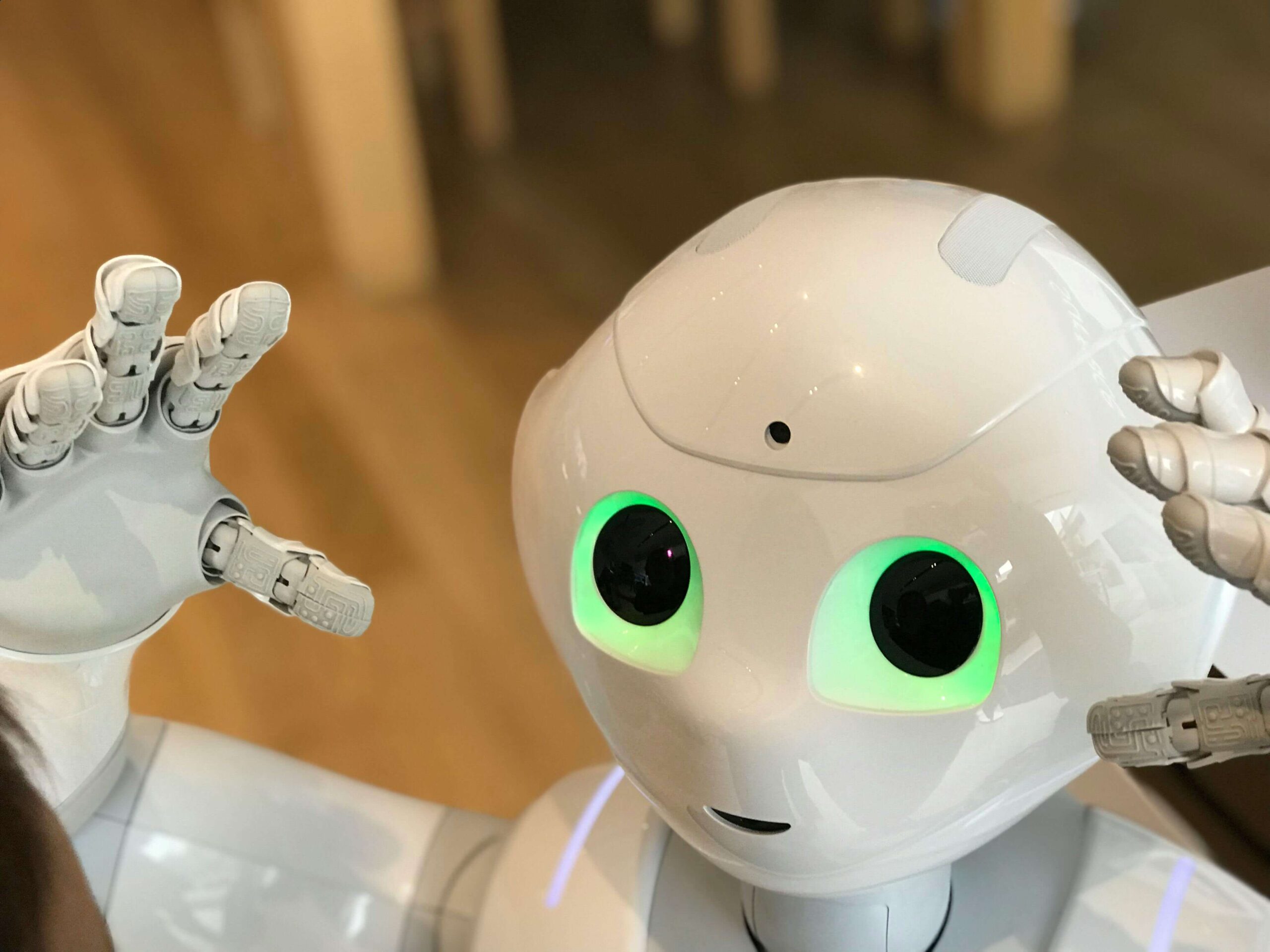
The future of AI is not just about intelligence—it’s about connection. As emotional intelligence improves, we can expect:
- More natural and human-like conversations
- AI companions that provide meaningful interaction
- Better support systems in healthcare and education
- Enhanced collaboration between humans and machines
However, it’s important to remember that AI should complement human emotional intelligence, not replace it.
Human + AI: A Powerful Combination
Emotionally intelligent AI works best when combined with human oversight. While AI can analyze patterns and respond quickly, humans bring genuine empathy, ethical judgment, and lived experience.
Together, they can create systems that are both efficient and compassionate.
Conclusion
Utilizing emotional intelligence in AI tools marks a significant step toward more human-centered technology. It transforms machines from cold, transactional systems into responsive and supportive partners in our daily lives.
While challenges remain—especially around accuracy, ethics, and privacy—the potential benefits are immense. From improving customer service to supporting mental health, emotionally intelligent AI has the power to reshape how we interact with technology.
In the end, the goal isn’t to make AI human, but to make it more understanding of what it means to be human.