

Machine Learning in Healthcare: Healthcare is undergoing a quiet revolution. What once relied heavily on human intuition and experience is now increasingly supported by data-driven intelligence. At the center of this transformation lies machine learning (ML), a branch of artificial intelligence that enables systems to learn from data, identify patterns, and make decisions with minimal human intervention. Today, machine learning algorithms are shaping a state-of-the-art healthcare system that is smarter, faster, and more personalized than ever before.
The Rise of Machine Learning in Healthcare
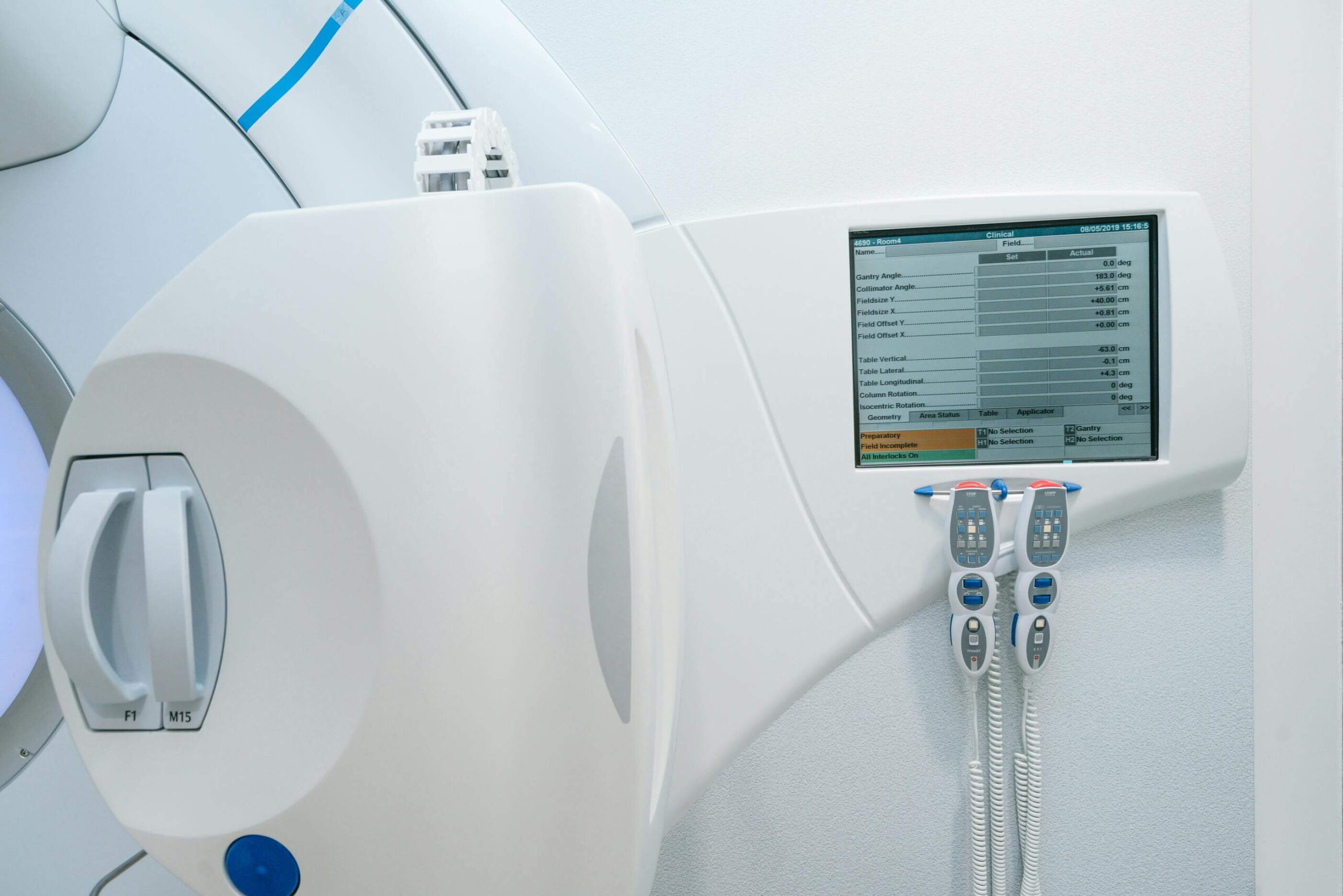
Machine learning has gained momentum in healthcare due to the massive growth of medical data. From electronic health records (EHRs) to wearable devices and imaging systems, healthcare institutions generate vast amounts of information every day. Traditional methods struggle to process and interpret such large datasets efficiently. Machine learning fills this gap by analyzing complex data in real time and uncovering insights that might otherwise go unnoticed.
For example, ML algorithms can process patient histories, lab results, and imaging data simultaneously to assist doctors in making accurate diagnoses. This not only improves efficiency but also reduces the chances of human error.
Enhancing Diagnosis and Early Detection
One of the most powerful applications of machine learning in healthcare is in diagnosis and early disease detection. Algorithms trained on large datasets can identify subtle patterns in medical images such as X-rays, MRIs, and CT scans. These systems can detect diseases like cancer, pneumonia, and brain disorders at an early stage—often before symptoms become severe.
Early detection is crucial because it significantly increases the chances of successful treatment. For instance, ML models can analyze tumor growth patterns and predict malignancy with high accuracy. This helps doctors make timely decisions and initiate treatment plans earlier than ever before.
Personalized Treatment and Precision Medicine
Every patient is unique, and a one-size-fits-all approach to treatment is no longer effective. Machine learning enables personalized medicine by analyzing an individual’s genetic information, lifestyle, and medical history. This allows healthcare providers to tailor treatments specifically to each patient.
For example, ML algorithms can predict how a patient might respond to a particular medication based on their genetic profile. This reduces the risk of adverse drug reactions and improves treatment outcomes. In cancer care, personalized treatment plans based on ML analysis are already showing promising results.
Predictive Analytics and Preventive Care
Machine learning is not just about treating diseases—it is also about preventing them. Predictive analytics uses historical data to forecast future health risks. ML models can identify patients who are at high risk of developing conditions like diabetes, heart disease, or stroke.
With this information, healthcare providers can take preventive measures such as lifestyle interventions, regular monitoring, and early treatments. This shift from reactive to proactive care is one of the most significant benefits of machine learning in healthcare.
For instance, wearable devices that track heart rate, activity levels, and sleep patterns can feed data into ML systems. These systems can then alert users and doctors about potential health issues before they become serious.
Improving Hospital Operations and Efficiency
Beyond clinical applications, machine learning is also improving the operational side of healthcare. Hospitals often face challenges such as overcrowding, staff shortages, and inefficient resource allocation. ML algorithms can optimize scheduling, manage patient flow, and predict admission rates.
For example, predictive models can forecast the number of patients likely to visit the emergency department on a given day. This helps hospitals allocate staff and resources more effectively, reducing wait times and improving patient satisfaction.
Additionally, ML can automate administrative tasks such as billing, documentation, and appointment scheduling. This reduces the burden on healthcare professionals, allowing them to focus more on patient care.
Drug Discovery and Development
The process of developing new drugs is time-consuming and expensive. Machine learning is accelerating this process by analyzing biological data and identifying potential drug candidates more efficiently. ML models can simulate how different compounds interact with the human body, significantly reducing the need for trial-and-error experiments.
During global health crises, such as pandemics, machine learning has played a crucial role in speeding up vaccine development and identifying effective treatments. This capability has the potential to revolutionize the pharmaceutical industry and make life-saving drugs available faster.
Remote Monitoring and Telemedicine
The integration of machine learning with telemedicine has made healthcare more accessible than ever. Patients can now receive medical advice and monitoring from the comfort of their homes. ML-powered systems can analyze data from wearable devices and provide real-time insights into a patient’s health.
For example, patients with chronic conditions such as hypertension or diabetes can be monitored continuously. ML algorithms can detect abnormalities and notify healthcare providers instantly. This reduces the need for frequent hospital visits and ensures timely intervention.
Telemedicine combined with ML is particularly beneficial in remote or underserved areas where access to healthcare facilities is limited.
Challenges and Ethical Considerations
Despite its many advantages, the use of machine learning in healthcare is not without challenges. Data privacy and security are major concerns, as sensitive patient information must be protected. Ensuring that ML systems comply with ethical standards and regulations is essential.
Another challenge is the potential for bias in algorithms. If the data used to train ML models is not diverse, the system may produce biased results. This can lead to unequal treatment outcomes for different populations. Therefore, it is crucial to use high-quality, diverse datasets and continuously monitor algorithm performance.
Moreover, while ML can assist healthcare professionals, it should not replace human judgment entirely. Doctors and medical experts play a critical role in interpreting results and making final decisions.
The Future of Machine Learning in Healthcare
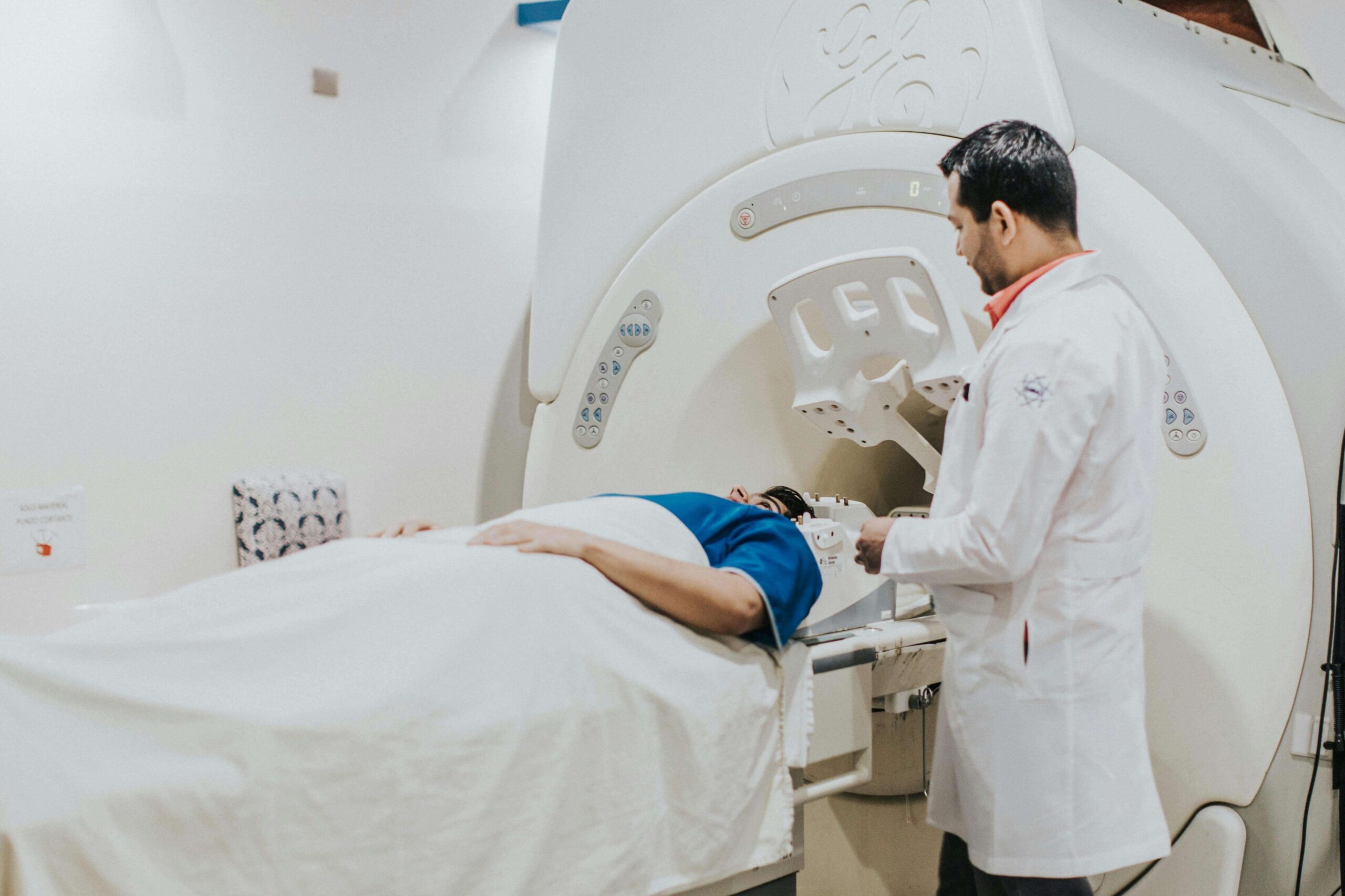
The future of healthcare is closely tied to advancements in machine learning. As technology continues to evolve, we can expect even more sophisticated systems capable of handling complex medical challenges. Integration with technologies like robotics, the Internet of Things (IoT), and big data analytics will further enhance healthcare delivery.
In the coming years, we may see fully automated diagnostic systems, AI-powered robotic surgeries, and highly accurate predictive models that can prevent diseases before they occur. The goal is to create a healthcare system that is not only efficient but also accessible, affordable, and patient-centered.
Conclusion
Machine learning algorithms are transforming healthcare into a state-of-the-art system that prioritizes accuracy, efficiency, and personalization. From early diagnosis and predictive analytics to drug discovery and remote monitoring, ML is reshaping every aspect of healthcare.
While challenges such as data privacy and algorithmic bias remain, the benefits far outweigh the risks when implemented responsibly. The integration of machine learning into healthcare is not just a technological advancement—it is a step toward a healthier and more sustainable future for all.