

Fabric-Based Soft Robotic Hearts: In the world of modern robotics and biomedical engineering, a quiet revolution is unfolding—one that replaces rigid metals with soft, flexible materials inspired by nature. Among the most fascinating developments is the creation of fabric-based soft robotic hearts. These innovative systems aim to mimic the function of the human heart while embracing a powerful design principle: “Less In, More Out.”
At its core, this concept focuses on achieving maximum output—efficient pumping, durability, and adaptability—using minimal energy, materials, and mechanical complexity. But how does this idea translate into the mechanics of a soft robotic heart? Let’s explore.
Understanding Soft Robotic Hearts
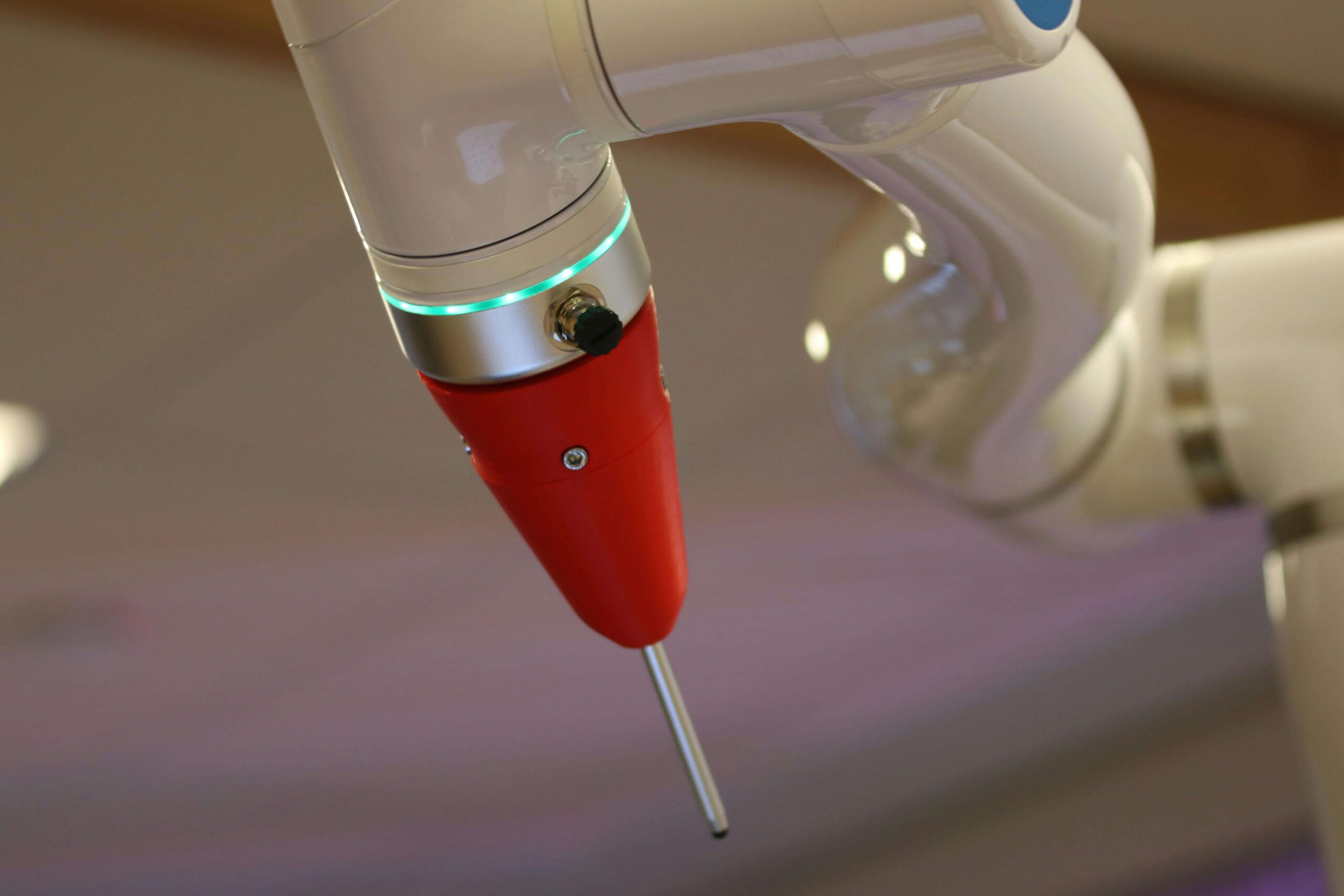
Traditional artificial hearts and mechanical pumps rely on rigid components such as motors, pistons, and valves. While effective, these systems often face challenges like mechanical wear, lack of flexibility, and incompatibility with delicate biological tissues.
Fabric-based soft robotic hearts, on the other hand, are built using soft, flexible materials such as textiles, elastomers, and polymers. These materials allow the device to expand, contract, and deform in ways that closely resemble the natural movement of the human heart.
Instead of forcing motion through rigid mechanics, soft robotic hearts use fluid pressure, air actuation, or embedded fibers to create movement. This approach reduces mechanical stress and enhances compatibility with the human body.
The Philosophy of “Less In, More Out”
The idea of “Less In, More Out” is rooted in efficiency. It emphasizes achieving greater performance with fewer inputs—less energy, fewer components, and simpler designs.
In the context of soft robotic hearts, this principle translates into:
- Minimizing energy consumption while maximizing pumping efficiency
- Reducing mechanical complexity without sacrificing functionality
- Using lightweight, flexible materials to achieve powerful motion
- Designing systems that adapt naturally rather than relying on rigid control
This philosophy not only improves performance but also enhances reliability and longevity.
Fabric as a Functional Material
One of the most intriguing aspects of these robotic hearts is the use of fabric as a structural and functional component. Unlike traditional materials, fabrics offer unique properties:
- Flexibility: They can bend and stretch easily
- Anisotropy: Their behavior changes depending on the direction of force
- Lightweight Nature: They reduce overall system weight
- Customizability: Different weaving patterns can create specific mechanical responses
Engineers can design fabric layers that guide motion in specific directions. For example, certain fibers may restrict expansion in one direction while allowing it in another, creating controlled deformation patterns.
This ability to “program” motion into the material itself is a key factor in achieving the “Less In, More Out” effect.
Modeling the Mechanics
Modeling a fabric-based soft robotic heart is a complex task that combines physics, material science, and computational techniques.
Unlike rigid systems, soft materials exhibit nonlinear behavior. This means their response to force is not always predictable or proportional. To address this, researchers use advanced modeling approaches such as:
- Finite Element Analysis (FEA): Simulates how materials deform under stress
- Continuum Mechanics Models: Describe the behavior of soft materials as continuous media
- Fluid-Structure Interaction (FSI): Models the interaction between fluid flow and structural deformation
These models help engineers predict how the robotic heart will behave under different conditions, such as varying pressure levels or dynamic loads.
By accurately modeling these interactions, designers can optimize the system for maximum efficiency and performance.
Actuation Mechanisms
Soft robotic hearts rely on innovative actuation methods to create movement. Some of the most common include:
- Pneumatic Actuation: Uses air pressure to inflate and deflate chambers
- Hydraulic Actuation: Uses fluid pressure for more precise control
- Embedded Fiber Actuation: Uses fibers that contract or expand when stimulated
These mechanisms allow the heart to mimic the natural contraction and relaxation cycle of a biological heart.
Importantly, these systems are designed to achieve strong, coordinated motion with minimal energy input—another example of the “Less In, More Out” principle in action.
Energy Efficiency and Performance
One of the biggest advantages of fabric-based soft robotic hearts is their energy efficiency. Traditional mechanical systems often lose energy through friction, heat, and rigid constraints.
In contrast, soft systems:
- Store and release energy more effectively
- Reduce friction through smooth, flexible motion
- Adapt to changing conditions without requiring constant control
This leads to improved performance with lower energy consumption—a critical factor for implantable or wearable medical devices.
Applications in Healthcare
The potential applications of fabric-based soft robotic hearts are transformative. These systems could be used as:
- Artificial Hearts: Providing life-saving support for patients with heart failure
- Cardiac Assist Devices: Enhancing the function of a weakened heart
- Medical Research Tools: Studying heart behavior in controlled environments
Because they are soft and flexible, these devices are more compatible with human tissues, reducing the risk of damage or rejection.
Challenges and Limitations

Despite their promise, fabric-based soft robotic hearts face several challenges:
- Material Durability: Fabrics must withstand repeated cycles without degrading
- Precise Control: Achieving consistent and accurate motion can be difficult
- Complex Modeling: Nonlinear behavior complicates design and simulation
- Integration with Biology: Ensuring compatibility with the human body remains a challenge
Researchers are actively working to overcome these issues through improved materials, better modeling techniques, and advanced control systems.
Future Directions
The future of soft robotic hearts lies in further refining the “Less In, More Out” concept. Emerging trends include:
- Smart Materials: Materials that respond to stimuli such as heat or electricity
- AI Integration: Using artificial intelligence to optimize performance in real-time
- Personalized Design: Customizing devices for individual patients
- Biohybrid Systems: Combining biological tissues with synthetic materials
These advancements will push the boundaries of what soft robotics can achieve.
Conclusion
The mechanics of fabric-based soft robotic hearts represent a remarkable intersection of engineering, biology, and innovation. By embracing the principle of “Less In, More Out,” these systems achieve efficient, adaptable, and powerful performance with minimal complexity.
As research continues, these soft robotic systems have the potential to revolutionize healthcare, offering safer and more effective solutions for patients worldwide.
In many ways, they remind us that sometimes, the most powerful designs are not the most complex—but the most efficient and elegant.