

AI in Automation: Artificial Intelligence (AI) has rapidly evolved from a niche area of computer science into a powerful force driving global transformation. One of its most significant applications is in automation—the use of technology to perform tasks with minimal human intervention. When AI meets automation, the result is a smarter, more adaptive system capable of learning, improving, and making decisions in real time. This combination is reshaping industries, redefining jobs, and changing how we interact with machines in our daily lives.
This article explores the role of artificial intelligence in automation, its benefits, challenges, real-world applications, and what the future holds.
Understanding AI-Driven Automation
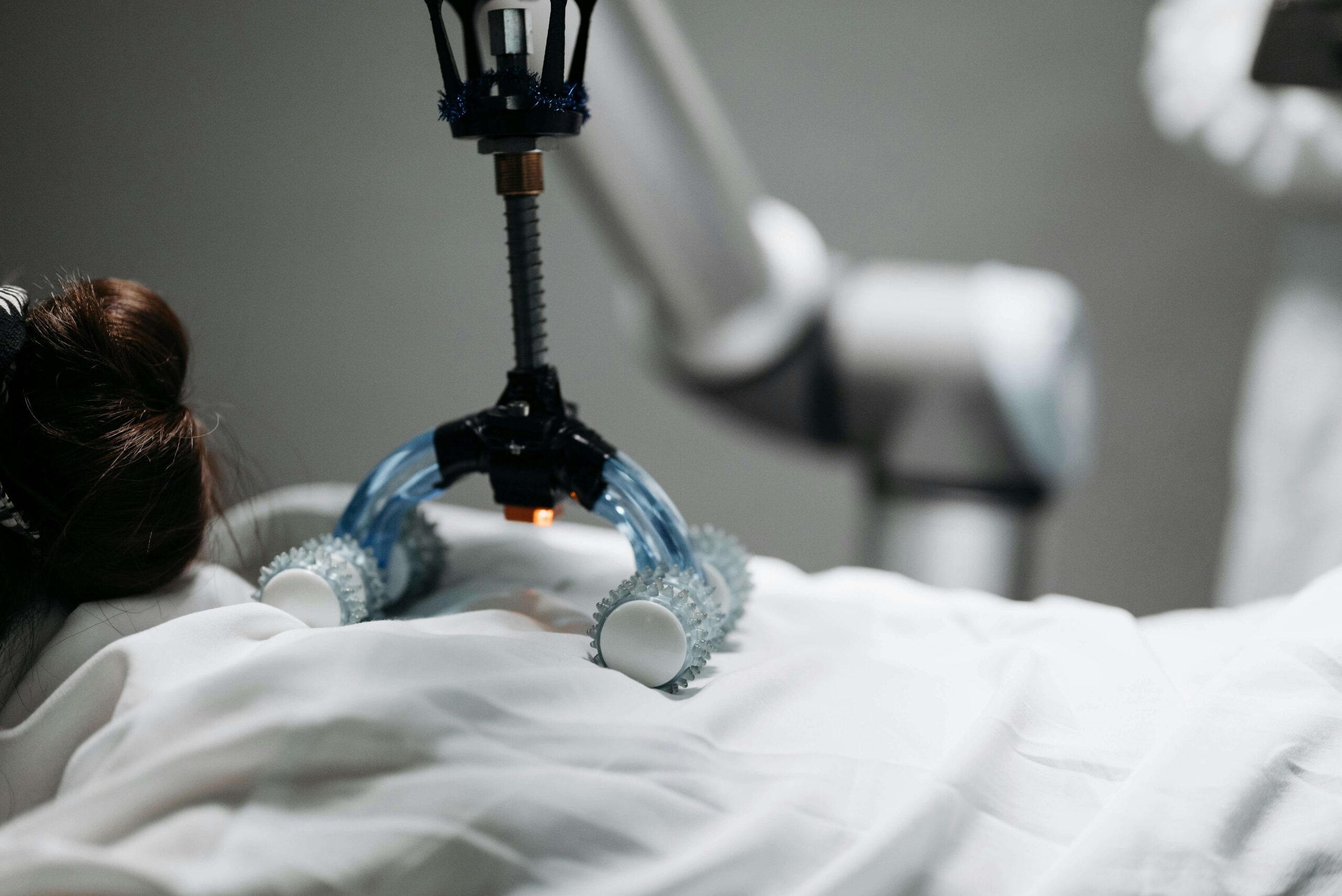
Automation traditionally involved rule-based systems that performed repetitive tasks according to predefined instructions. While effective, these systems lacked flexibility and could not adapt to new situations without human intervention.
AI changes this dynamic. By incorporating technologies like machine learning, natural language processing, and computer vision, automation becomes intelligent. AI-powered systems can analyze data, recognize patterns, learn from experience, and make decisions without explicit programming.
In simple terms, AI in automation enables machines not just to “do” tasks, but to “think” about how to do them better.
Key Technologies Behind AI Automation
Several core AI technologies power modern automation systems:
- Machine Learning (ML): Allows systems to learn from data and improve performance over time.
- Natural Language Processing (NLP): Enables machines to understand and respond to human language.
- Computer Vision: Allows machines to interpret and analyze visual information.
- Robotic Process Automation (RPA): Automates repetitive digital tasks, often enhanced by AI for smarter decision-making.
These technologies work together to create systems that are not only efficient but also adaptable.
Applications Across Industries
AI-driven automation is not limited to a single sector. Its impact can be seen across multiple industries:
1. Manufacturing
In manufacturing, AI-powered robots can perform complex tasks such as assembly, quality inspection, and predictive maintenance. These systems reduce errors, improve efficiency, and minimize downtime.
2. Healthcare
AI automation is revolutionizing healthcare by assisting in diagnostics, patient monitoring, and administrative tasks. For example, AI can analyze medical images faster and sometimes more accurately than humans.
3. Finance
In the financial sector, AI automates fraud detection, risk assessment, and customer service through chatbots. It helps institutions process vast amounts of data quickly and securely.
4. Retail and E-commerce
From personalized recommendations to inventory management, AI-driven automation enhances customer experience and operational efficiency.
5. Transportation
Self-driving vehicles and smart traffic management systems rely heavily on AI automation to improve safety and efficiency.
Benefits of AI in Automation
The integration of AI into automation offers numerous advantages:
Increased Efficiency
AI systems can operate 24/7 without fatigue, significantly increasing productivity.
Improved Accuracy
By reducing human error, AI enhances the precision of tasks, especially in data-heavy processes.
Cost Reduction
Automation reduces the need for manual labor in repetitive tasks, leading to lower operational costs over time.
Scalability
AI systems can handle large volumes of work, making it easier for businesses to scale operations.
Better Decision-Making
AI can analyze vast datasets and provide insights that help organizations make informed decisions.
Human Impact: Jobs and Skills
One of the most debated aspects of AI automation is its impact on employment. While it is true that automation can replace certain jobs, particularly those involving repetitive tasks, it also creates new opportunities.
Jobs in AI development, data analysis, cybersecurity, and system management are on the rise. Moreover, automation allows humans to focus on more creative, strategic, and meaningful work.
However, this shift requires reskilling and upskilling. Workers must adapt to new roles and learn how to collaborate with AI systems.
Challenges and Risks
Despite its many benefits, AI in automation comes with challenges:
Job Displacement
Automation can lead to job losses in certain sectors, particularly for low-skilled workers.
Ethical Concerns
Issues such as bias in AI algorithms, lack of transparency, and accountability raise ethical questions.
Data Privacy
AI systems rely on large amounts of data, which can pose risks to user privacy if not managed properly.
High Implementation Costs
Developing and deploying AI systems can be expensive, especially for small and medium-sized businesses.
Dependence on Technology
Over-reliance on automation can make systems vulnerable to failures and cyberattacks.
The Role of Businesses and Governments
To maximize the benefits of AI automation while minimizing risks, both businesses and governments have important roles to play.
- Businesses should invest in ethical AI practices, employee training, and transparent systems.
- Governments should create policies that promote innovation while protecting workers and ensuring fair use of AI.
Public-private partnerships can also help in developing standards and sharing knowledge.
The Future of AI in Automation
The future of AI-driven automation is incredibly promising. As technology continues to evolve, we can expect:
- More advanced autonomous systems
- Greater integration of AI in everyday devices
- Smarter cities powered by automated systems
- Increased collaboration between humans and machines
Rather than replacing humans, the future will likely involve a hybrid model where AI enhances human capabilities.
A Human-Centered Approach

For AI automation to be truly successful, it must be designed with humans at its core. This means prioritizing fairness, transparency, and inclusivity.
Organizations should ensure that AI systems are understandable and accountable. Users should have control over how their data is used, and there should be mechanisms to address errors and biases.
A human-centered approach not only builds trust but also ensures that technology serves society as a whole.
Conclusion
Artificial Intelligence in automation is transforming the way we work, live, and interact with technology. By making systems smarter and more efficient, AI is unlocking new possibilities across industries. However, this transformation comes with challenges that must be carefully managed.
The key to success lies in balancing innovation with responsibility. By investing in skills, developing ethical frameworks, and fostering collaboration, we can ensure that AI-driven automation benefits everyone.
As we move forward, one thing is clear: AI in automation is not just about machines taking over tasks—it is about creating a future where humans and technology work together to achieve more than ever before.