

AI Medical Care: Healthcare has always been one of the most vital and sensitive sectors of human society. Every advancement in medicine has brought us closer to longer, healthier lives. Today, one of the most powerful forces reshaping this field is artificial intelligence (AI). The concept of AI medical care is no longer confined to research labs or futuristic ideas—it is actively transforming how doctors diagnose, treat, and interact with patients.
Yet, what makes this transformation truly remarkable is not just the technology itself, but how it complements human expertise. AI medical care is not about replacing doctors; it is about empowering them to deliver faster, more accurate, and more personalized care.
What is AI Medical Care?
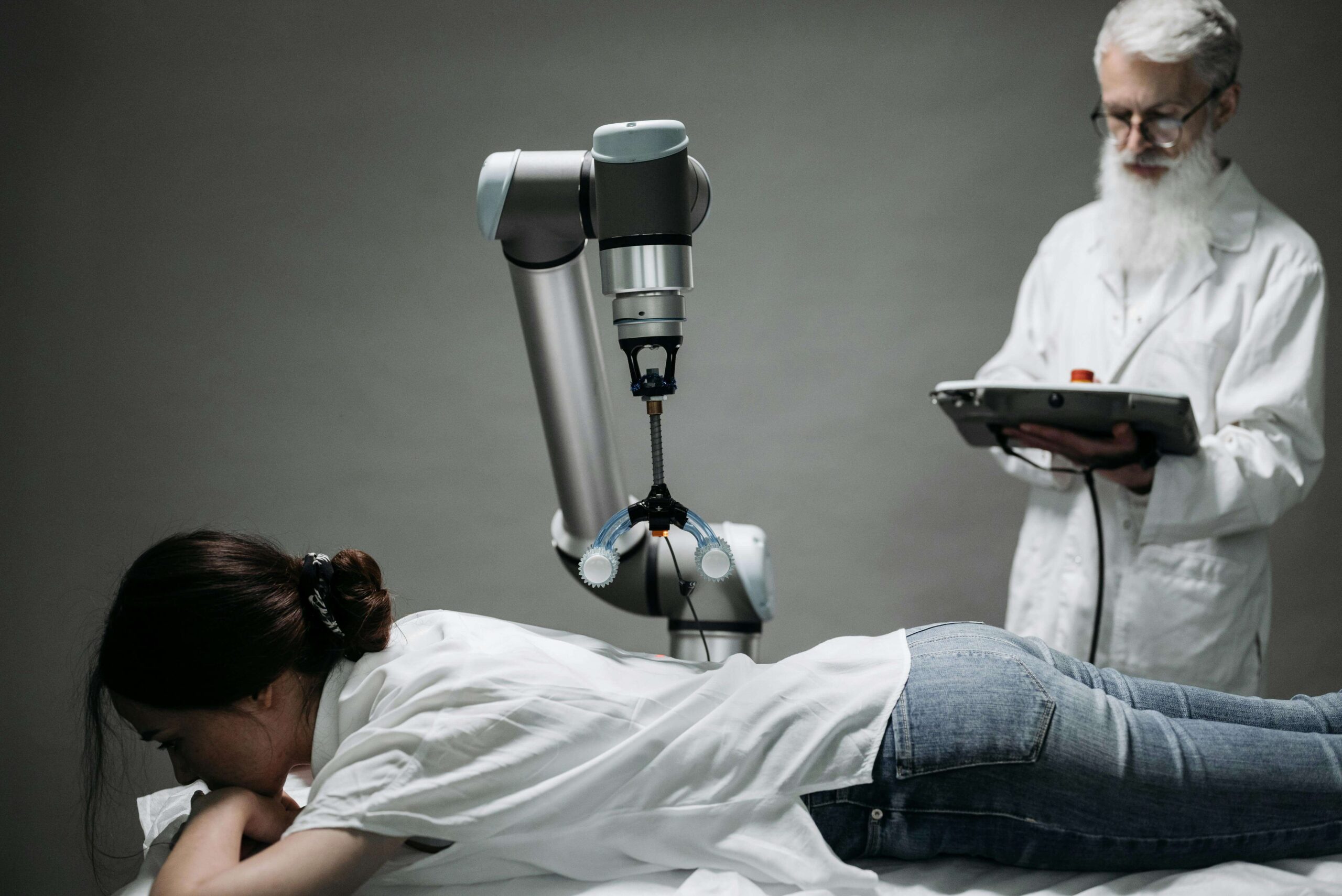
AI medical care refers to the use of advanced algorithms, machine learning models, and data-driven systems to support and enhance healthcare services. These technologies can analyze vast amounts of medical data, recognize patterns, and make predictions that assist healthcare professionals in making informed decisions.
From diagnosing diseases to recommending treatments, AI systems act as intelligent assistants. They can process medical images, patient histories, lab reports, and even genetic data in a fraction of the time it would take a human. This speed and precision can make a life-saving difference, especially in critical situations.
The Human Side of AI in Healthcare
When people hear about AI in medicine, they often worry that machines will replace human doctors. In reality, the opposite is happening. AI is allowing healthcare professionals to focus more on what truly matters—patient care.
Doctors can spend less time on paperwork and data analysis, and more time listening to patients, understanding their concerns, and providing emotional support. Nurses can rely on AI tools to monitor patient conditions in real-time, enabling quicker responses in emergencies.
In this way, AI medical care brings back a human touch that is often lost in busy healthcare environments.
Key Applications of AI Medical Care
AI is being used across multiple areas in healthcare, each with its own unique impact.
1. Early Disease Detection
One of the most significant benefits of AI is its ability to detect diseases at an early stage. AI systems can analyze medical images such as X-rays, MRIs, and CT scans to identify abnormalities that might be missed by the human eye.
For example, AI can help detect cancers, heart conditions, and neurological disorders much earlier than traditional methods. Early detection often leads to better treatment outcomes and higher survival rates.
2. Personalized Treatment Plans
Every patient is different, and AI helps tailor treatments to individual needs. By analyzing a patient’s medical history, lifestyle, and genetic information, AI can recommend customized treatment plans.
This approach, often called precision medicine, ensures that patients receive treatments that are most likely to work for them, reducing trial-and-error and improving recovery rates.
3. Virtual Health Assistants
AI-powered chatbots and virtual assistants are becoming increasingly common. They can answer patient queries, schedule appointments, and even provide basic medical advice.
These tools are especially useful in areas with limited access to healthcare professionals, offering guidance and support to patients who might otherwise go without care.
4. Drug Discovery and Development
Developing new medicines is a time-consuming and expensive process. AI can significantly speed up this process by analyzing chemical compounds, predicting their effectiveness, and identifying potential side effects.
This not only reduces costs but also brings life-saving drugs to market faster.
5. Remote Monitoring and Telemedicine
AI enables continuous monitoring of patients through wearable devices and smart sensors. These systems can track vital signs such as heart rate, blood pressure, and oxygen levels in real time.
If any abnormality is detected, alerts can be sent to healthcare providers तुरंत. This is particularly beneficial for patients with chronic conditions, allowing them to receive care without frequent hospital visits.
Benefits of AI Medical Care
The integration of AI into healthcare brings numerous advantages:
Improved Accuracy
AI systems can analyze data with incredible precision, reducing the chances of diagnostic errors. This leads to more reliable outcomes and better patient safety.
Faster Decision-Making
In emergencies, every second counts. AI can process information quickly, enabling doctors to make faster decisions and start treatment sooner.
Increased Efficiency
By automating administrative tasks, AI reduces the workload on healthcare staff. This improves overall efficiency and allows hospitals to serve more patients.
Cost Reduction
AI can help lower healthcare costs by optimizing resource use, reducing unnecessary tests, and preventing complications through early intervention.
Accessibility
AI-powered tools make healthcare more accessible, especially in remote or underserved areas where medical professionals are scarce.
Challenges and Concerns
Despite its many benefits, AI medical care also comes with challenges that need careful consideration.
Data Privacy
Healthcare data is highly sensitive. AI systems require large amounts of data to function effectively, raising concerns about how this data is stored and protected. Ensuring patient privacy is a top priority.
Bias in Algorithms
AI systems are only as good as the data they are trained on. If the data contains biases, the AI may produce unfair or inaccurate results. Addressing these biases is essential to ensure equitable healthcare.
Dependence on Technology
Over-reliance on AI could lead to reduced human judgment in critical situations. It is important to maintain a balance where AI supports, rather than replaces, human decision-making.
High Implementation Costs
While AI can reduce costs in the long run, the initial investment in technology and infrastructure can be significant, especially for smaller healthcare facilities.
Ethical Considerations
AI medical care raises important ethical questions. Who is responsible if an AI system makes a mistake? How do we ensure transparency in AI decision-making? These questions highlight the need for clear regulations and ethical guidelines.
Healthcare is not just about science—it is about trust. Patients must feel confident that AI systems are being used responsibly and in their best interest.
The Future of AI Medical Care

The future of AI in healthcare is incredibly promising. As technology continues to advance, we can expect even more sophisticated applications.
AI may soon be able to predict diseases before symptoms appear, allowing for preventive care rather than reactive treatment. Robotic surgeries guided by AI could become more precise and less invasive. Mental health care could also benefit from AI tools that provide support and early intervention.
However, the most important aspect of this future is the collaboration between humans and machines. AI will never replace the empathy, intuition, and compassion of a human doctor. Instead, it will enhance these qualities by providing better tools and insights.
Conclusion
AI medical care is revolutionizing the healthcare industry in ways that were once unimaginable. By combining advanced technology with human expertise, it is creating a system that is more efficient, accurate, and patient-centered.
While challenges such as data privacy, bias, and ethical concerns must be addressed, the potential benefits are too significant to ignore. AI is not here to replace healthcare professionals—it is here to support them.
In the end, the true success of AI medical care lies in its ability to bring us closer to a healthcare system that is not only smarter but also more compassionate. It reminds us that even in a world driven by technology, the human touch rema ins at theheart of healing.