

Generative AI as Digital Media: Digital media has evolved dramatically over the past two decades. From traditional websites and blogs to social media platforms, podcasts, and streaming services, the way people create and consume content continues to change rapidly. One of the most revolutionary developments in this transformation is the rise of Generative AI. Today, Generative AI is not only assisting creators but also becoming a powerful form of digital media itself.
Generative AI allows computers to produce text, images, videos, music, and other forms of creative content with minimal human input. This capability is changing how content is produced, distributed, and experienced. As a result, Generative AI is emerging as a new digital media ecosystem that is reshaping industries such as marketing, journalism, entertainment, education, and social media.
Understanding Generative AI in Digital Media
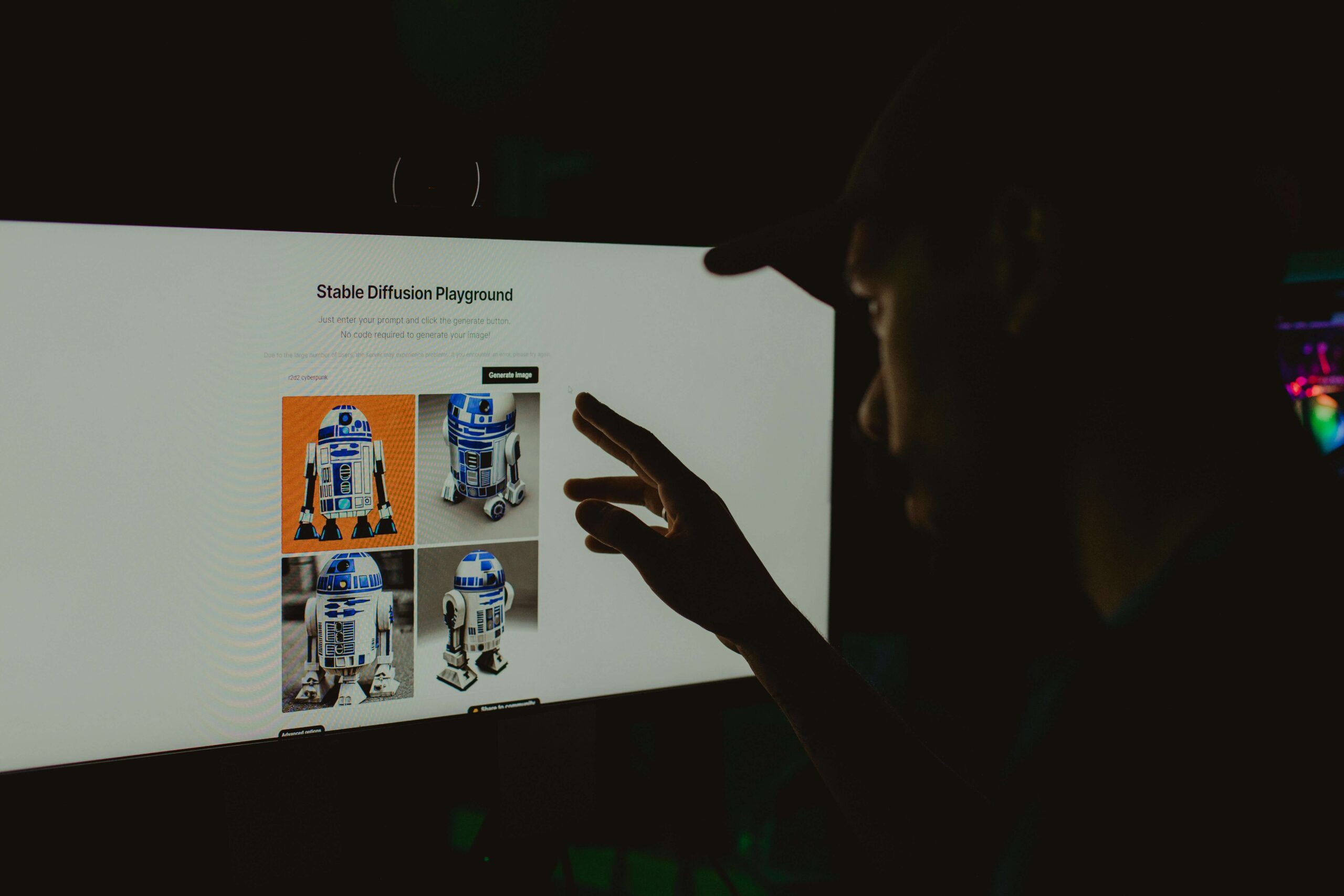
Generative Artificial Intelligence refers to artificial intelligence systems that can create new content rather than simply analyze or process existing information. These systems learn from massive datasets and generate original outputs that often resemble human creativity.
In the context of digital media, Generative AI can produce:
-
Articles and blog posts
-
Social media captions and marketing content
-
Images and digital artwork
-
Music and sound effects
-
Videos and animations
-
Interactive storytelling
This ability to generate multiple forms of media makes AI an important tool for digital creators and businesses.
The Evolution of Digital Media
To understand the impact of Generative AI, it is important to look at how digital media has evolved.
1. Traditional Digital Media
In the early days of the internet, digital media mainly consisted of websites, blogs, and online news articles. Content creation required human writers, designers, and developers.
2. Social Media Era
The rise of social media platforms allowed individuals to become content creators. People could easily share photos, videos, and opinions with global audiences.
3. AI-Powered Media
Today, Generative AI is shaping a new phase of digital media where machines collaborate with humans to create content faster and more efficiently. AI tools can assist in brainstorming ideas, writing scripts, designing visuals, and even editing videos.
How Generative AI is Transforming Content Creation
Generative AI is making content creation more accessible and efficient. Instead of spending hours designing graphics or writing long articles, creators can use AI tools to generate ideas and drafts quickly.
Faster Content Production
One of the biggest advantages of Generative AI is speed. A task that once took hours can now be completed in minutes. For example, marketers can generate multiple advertising slogans, blog outlines, or social media posts instantly.
Enhanced Creativity
Contrary to the fear that AI replaces creativity, many creators use AI as a creative partner. AI can suggest new ideas, styles, or perspectives that inspire human creators.
Lower Production Costs
Producing professional media content often requires expensive tools and skilled professionals. Generative AI reduces these costs by automating parts of the creative process.
Personalized Content
AI can analyze user preferences and generate personalized content for different audiences. This allows businesses to deliver highly targeted marketing campaigns.
Applications of Generative AI in Digital Media
Generative AI is already being used across various digital media industries.
Journalism and News Media
News organizations use AI tools to assist journalists in writing reports, summarizing large datasets, and generating headlines. AI can help reporters focus on deeper analysis while automation handles repetitive tasks.
Marketing and Advertising
Marketing teams rely on Generative AI to create advertisements, product descriptions, email campaigns, and social media content. AI can quickly generate multiple versions of marketing messages to test which performs best.
Entertainment Industry
The entertainment sector has embraced AI for creating digital characters, writing scripts, generating background music, and designing visual effects. Filmmakers and game developers use AI to speed up production processes.
Social Media Content Creation
Influencers and content creators use AI tools to design images, generate captions, edit videos, and create thumbnails. This allows them to produce consistent content more efficiently.
Education and Learning Media
Educational platforms use AI to create interactive lessons, generate explanations, and design visual learning materials. This makes digital education more engaging and accessible.
Benefits of Generative AI in Digital Media
The integration of AI into digital media offers several important benefits.
Increased Productivity
AI tools help creators produce more content in less time. This is particularly useful for businesses that need consistent online content.
Accessibility for New Creators
Generative AI allows individuals with limited technical skills to create professional-quality media. A beginner can design graphics, write articles, or produce videos using AI assistance.
Innovation in Storytelling
AI enables new forms of storytelling such as interactive narratives and personalized media experiences.
Global Reach
AI-powered translation and localization tools allow creators to distribute content across different languages and cultures.
Challenges and Ethical Concerns
While Generative AI provides many advantages, it also raises important challenges.
Authenticity and Trust
Since AI can produce realistic text, images, and videos, it becomes difficult to distinguish between human-created and AI-generated content. This raises concerns about misinformation.
Copyright Issues
AI models are trained on large datasets that may include copyrighted material. This raises legal questions about ownership and intellectual property.
Job Displacement Concerns
Some people worry that AI-generated media could replace human writers, designers, and artists. However, many experts believe AI will act as a supportive tool rather than a complete replacement.
Deepfakes and Misuse
AI-generated media can be misused to create fake videos or manipulated images that spread misinformation.
The Future of Generative AI in Digital Media
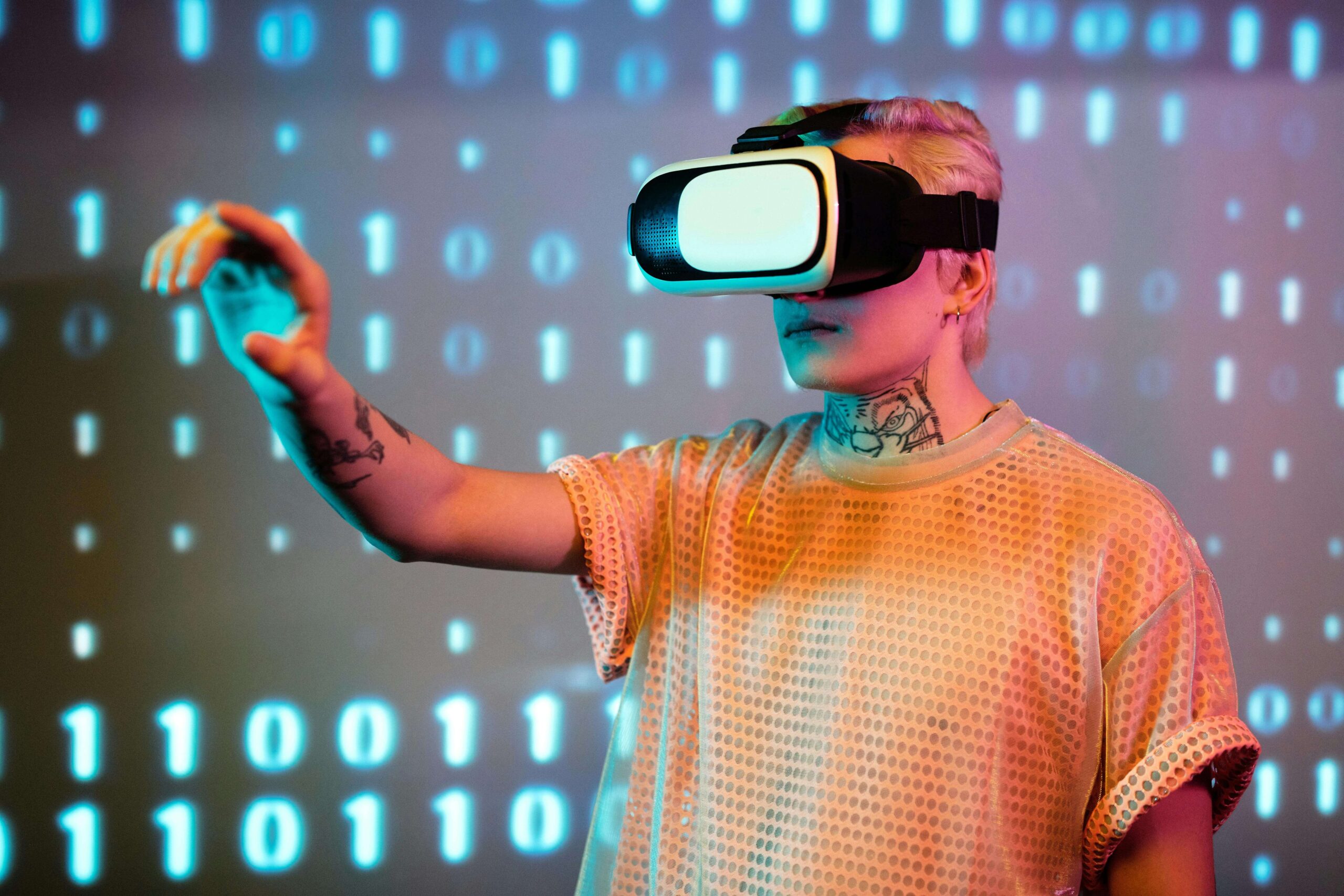
The future of digital media will likely involve deeper collaboration between humans and AI systems. Instead of replacing creators, AI will become an essential creative partner.
Several trends are expected in the coming years:
AI-Assisted Creative Workflows
Creative professionals will increasingly use AI tools during brainstorming, production, and editing stages.
Interactive Media Experiences
Generative AI will allow audiences to interact with content in new ways, such as personalized stories or AI-generated virtual environments.
Ethical AI Development
Governments and technology companies are working on regulations and ethical guidelines to ensure responsible AI use.
AI-Powered Media Platforms
Future digital platforms may integrate AI directly into their systems, allowing users to generate content instantly.
Conclusion
Generative AI is redefining digital media by making content creation faster, more accessible, and more innovative. From journalism and marketing to entertainment and education, AI is transforming how media is produced and consumed.
While challenges such as misinformation, copyright issues, and ethical concerns remain, the potential benefits of Generative AI are enormous. When used responsibly, AI can empower creators, enhance creativity, and open new possibilities for storytelling.
As technology continues to advance, Generative AI will likely become a fundamental part of the digital media landscape. The future of media will not be purely human or purely artificial—it will be a collaborative space where human creativity and artificial intelligence work together to shape the stories and experiences of tomorrow.