

Social and Global Issues: In today’s interconnected world, social and global issues affect the lives of millions of people. These issues are not limited to a single country or region; instead, they have a widespread impact across the globe. Social and global issues include problems such as poverty, climate change, inequality, education gaps, human rights violations, and access to healthcare. Addressing these challenges requires cooperation between governments, organizations, and individuals. Understanding these issues is the first step toward finding effective solutions and creating a better future for everyone.
Understanding Social Issues

Social issues are problems that influence individuals and communities within a society. These problems often arise due to economic, cultural, or political factors. Social issues can affect people’s quality of life, opportunities, and overall well-being.
One of the most common social issues is poverty. Millions of people around the world struggle to meet basic needs such as food, clean water, shelter, and healthcare. Poverty often leads to other problems, including poor education, unemployment, and health challenges. Governments and international organizations are working to reduce poverty through economic development, education programs, and social support systems.
Another significant social issue is unemployment. When people are unable to find jobs, they face financial difficulties and emotional stress. High unemployment rates can slow economic growth and create instability in society. Creating new job opportunities and improving skill development programs are essential for solving this issue.
Education inequality is also a major concern in many countries. Some communities have access to quality education, while others lack proper schools, teachers, and learning resources. Education plays a crucial role in personal and national development, so improving access to education is essential for long-term progress.
Global Issues Affecting the World
Global issues are challenges that affect multiple countries and require international cooperation to solve. These issues often cross national borders and influence the environment, economy, and social stability of many regions.
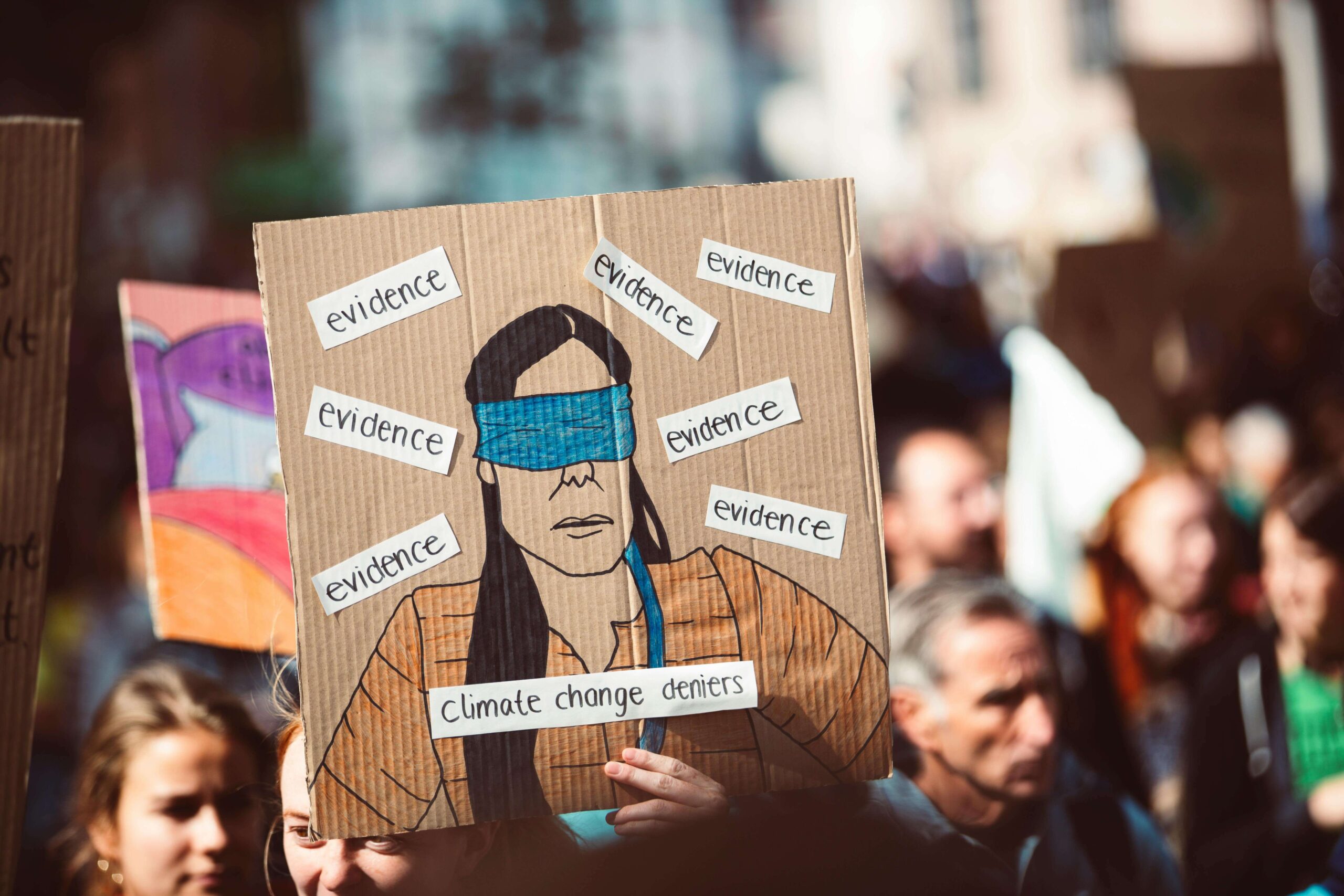
One of the most urgent global issues is climate change. Rising global temperatures, extreme weather events, melting glaciers, and rising sea levels are serious consequences of climate change. Human activities such as deforestation, pollution, and excessive use of fossil fuels contribute to this problem. Governments and environmental organizations are promoting renewable energy, sustainable practices, and climate awareness to reduce environmental damage.
Another major global issue is health crises and pandemics. The world has witnessed how diseases can spread quickly across countries, affecting millions of people. Global health organizations work together to develop vaccines, improve healthcare systems, and respond to emergencies. Strengthening international cooperation in healthcare is crucial for preventing future health crises.
Human rights violations also remain a significant concern globally. In some parts of the world, people face discrimination, violence, and restrictions on freedom of speech and expression. Protecting human rights ensures that individuals are treated with dignity and fairness regardless of their background, gender, religion, or nationality.
The Impact of Social and Global Issues
Social and global issues affect not only individuals but also entire communities and economies. When problems such as poverty, unemployment, or environmental damage increase, they can slow national development and create instability.
For example, poverty and lack of education can limit opportunities for young people, preventing them from contributing fully to society. Similarly, climate change can damage agriculture, reduce food production, and create economic challenges for many countries.
Social issues can also lead to conflicts and migration. People often move to other regions or countries in search of better opportunities, safety, and living conditions. This movement of people can create both opportunities and challenges for host communities.
Addressing these issues is essential for creating a stable and prosperous world where everyone has the chance to succeed.
Role of Governments and International Organizations
Governments play a major role in addressing social and global issues. They create policies, allocate resources, and implement programs to improve living conditions for their citizens. For example, governments can invest in education, healthcare, infrastructure, and employment programs to reduce poverty and inequality.
International organizations also play a vital role in tackling global challenges. These organizations bring together countries to collaborate on solutions for issues such as climate change, global health, and human rights protection. They provide financial support, research, and guidance to help nations address complex problems.
Collaboration between countries is essential because many global issues cannot be solved by one nation alone. Climate change, for example, requires global cooperation to reduce carbon emissions and promote sustainable development.
Role of Technology and Innovation
Technology and innovation have become powerful tools in addressing social and global issues. Advances in science and technology help improve healthcare, education, communication, and environmental protection.
For instance, digital learning platforms allow students in remote areas to access educational resources online. Telemedicine enables doctors to provide medical consultations to patients who live far from hospitals. Renewable energy technologies such as solar and wind power help reduce pollution and combat climate change.
Social media and digital communication also play a role in raising awareness about global issues. Activists, organizations, and communities can share information and mobilize support for important causes. This increased awareness encourages individuals and governments to take action.
Importance of Public Awareness
Public awareness is a key factor in solving social and global issues. When people understand the challenges facing society, they are more likely to support solutions and make responsible decisions in their daily lives.
Education plays a crucial role in spreading awareness. Schools and universities can teach students about environmental sustainability, social justice, and global cooperation. Media and digital platforms can also inform the public about important issues and encourage constructive discussions.
Community involvement is equally important. Individuals can contribute by volunteering, supporting charitable organizations, and participating in social initiatives. Small actions taken by many people can create meaningful change in society.
Challenges in Solving Social and Global Issues
Despite many efforts, solving social and global issues remains difficult. One major challenge is limited resources. Many developing countries struggle to provide adequate education, healthcare, and infrastructure due to financial constraints.
Political conflicts and differences between countries can also slow progress in addressing global issues. Cooperation is sometimes difficult when nations have competing interests or priorities.
Another challenge is the rapid pace of global change. Technological advancements, population growth, and environmental changes create new problems that require innovative solutions. Governments and organizations must constantly adapt their strategies to address evolving challenges.
Building a Better Future
Although social and global issues are complex, progress is possible through cooperation, innovation, and determination. Governments, organizations, businesses, and individuals all have a role to play in creating positive change.
Investing in education and skill development can empower individuals to improve their lives and contribute to society. Promoting sustainable practices can protect the environment for future generations. Strengthening international partnerships can help countries work together to solve global challenges.
Young people also play an important role in shaping the future. With creativity, energy, and awareness, they can develop new ideas and solutions to address social and global issues.
Conclusion
Social and global issues are some of the most important challenges facing the modern world. Problems such as poverty, climate change, education inequality, health crises, and human rights violations affect millions of people and require collective action to solve.
Understanding these issues helps individuals and communities become more responsible and proactive in creating solutions. Governments and international organizations must continue working together to develop policies and programs that address these challenges effectively.
Technology, education, and public awareness can also play powerful roles in improving global conditions. By working together and supporting positive change, societies can overcome these challenges and build a more just, sustainable, and prosperous world for future generations.