

Changing the World: Artificial Intelligence (AI) is no longer a futuristic idea from science fiction movies. In 2026, AI is actively transforming industries, reshaping economies, and influencing how people live, work, and communicate. From healthcare and education to finance and entertainment, AI is changing the world in powerful and measurable ways.
But how exactly is AI changing the world? Is it only about automation and robots, or is there more to this technological revolution?
In this article, we will explore how AI is changing the world across different sectors, the benefits it brings, the challenges it creates, and what the future may look like.
What Is Artificial Intelligence?
Before understanding how AI is changing the world, it’s important to define what AI actually is.Artificial Intelligence refers to computer systems that can perform tasks that typically require human intelligence. These tasks include learning, reasoning, problem-solving, understanding language, recognizing images, and making decisions.
AI systems rely on data, algorithms, and machine learning models to analyze information and produce results. Over time, these systems improve as they process more data.
How AI Is Changing the World Across Industries
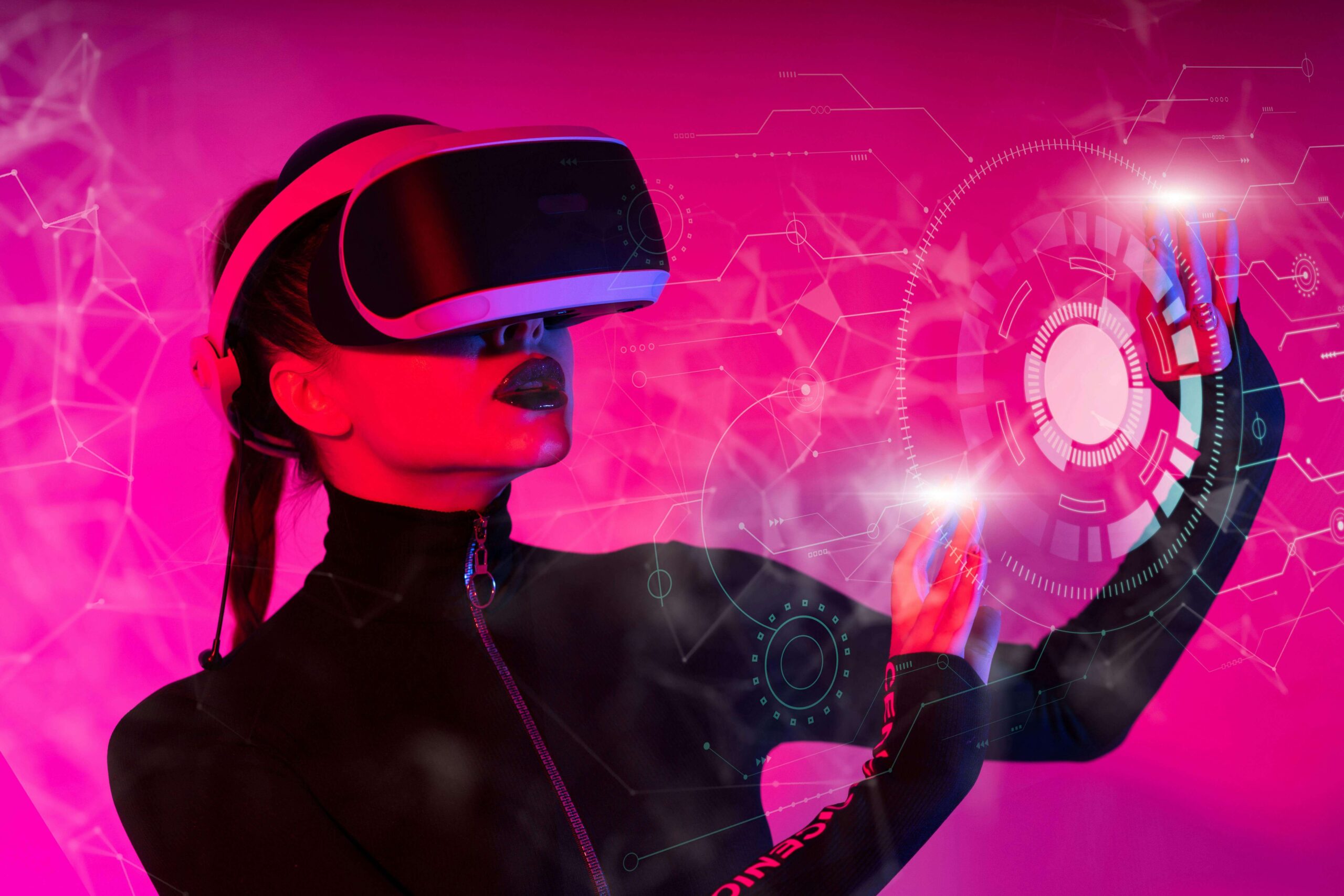
Let’s explore the major areas where AI is making a global impact.
1. AI in Healthcare
One of the most life-changing ways AI is changing the world is through healthcare.
Early Disease Detection
AI Is Changing the World.AI systems can analyze medical images such as X-rays, MRIs, and CT scans with high accuracy. In many cases, AI helps detect diseases like cancer earlier than traditional methods.
Personalized Medicine
AI analyzes patient history, genetic data, and lifestyle information to recommend personalized treatment plans.
Virtual Health Assistants
- AI-powered chatbots provide 24/7 medical support, helping patients with basic consultations and appointment scheduling.
- AI is improving healthcare efficiency, reducing human error, and saving lives.
2. AI in Education
AI is transforming the education system worldwide.
Personalized Learning
AI-powered platforms adjust lessons based on student performance. If a student struggles with a topic, the system provides extra support.
Smart Classrooms
AI tools track student engagement and provide teachers with insights into learning patterns.
Automated Grading
- AI systems can evaluate quizzes and assignments quickly, saving teachers time.
- By making education more interactive and customized, AI is changing how students learn.
3. AI in Business and Economy
Businesses across the globe are using AI to increase productivity and profits.
Automation of Tasks
AI automates repetitive tasks such as data entry, scheduling, and customer service responses.
Data Analysis
Companies use AI to analyze customer behavior and market trends.
Improved Customer Experience
- AI chatbots provide instant responses and personalized recommendations.
- AI is not only boosting business efficiency but also reshaping global economic structures.
4. AI in Transportation
Transportation systems are becoming smarter thanks to AI.
Self-Driving Technology
AI helps vehicles detect obstacles, stay in lanes, and avoid collisions.
Smart Traffic Management
Cities use AI systems to optimize traffic signals and reduce congestion.
Route Optimization
Navigation apps use AI to suggest the fastest routes based on real-time traffic data.
AI is improving road safety and reducing travel time worldwide.while AI Is Changing the World
5. AI in Finance and Banking

The financial industry heavily depends on AI in 2026.
Fraud Detection
AI systems analyze transaction patterns and detect suspicious activities instantly.
Credit Scoring
Banks use AI to assess loan applications more accurately.
Algorithmic Trading
AI analyzes market data and executes trades faster than human traders.
These innovations increase security and efficiency in financial services.
6. AI in Content Creation and Media
AI is changing the world of content creation.
AI Writing Tools
AI assists bloggers, students, and marketers in generating high-quality content.
Image and Video Generation
AI can create realistic images, edit videos, and design graphics.
Personalized Entertainment
Streaming platforms use AI to recommend movies and shows based on user preferences.
AI is enhancing creativity while increasing productivity.
7. AI in Cybersecurity
- With rising digital threats, AI plays a crucial role in protecting data.
Threat Detection:
- AI monitors networks 24/7 to detect unusual activity.
Malware Prevention:
- AI identifies new cyber threats before they cause damage.
Risk Analysis:
- AI predicts vulnerabilities in digital systems.
- By strengthening cybersecurity, AI is making the digital world safer.
8. AI in Agriculture
- AI is helping farmers increase productivity and reduce waste.
Smart Irrigation Systems:
- AI analyzes weather data to optimize water usage.
Crop Monitoring:
- Drones equipped with AI detect crop diseases early.
Yield Prediction:
- AI predicts crop production using historical data.
- This ensures better food production and sustainability.
Social Impact of AI
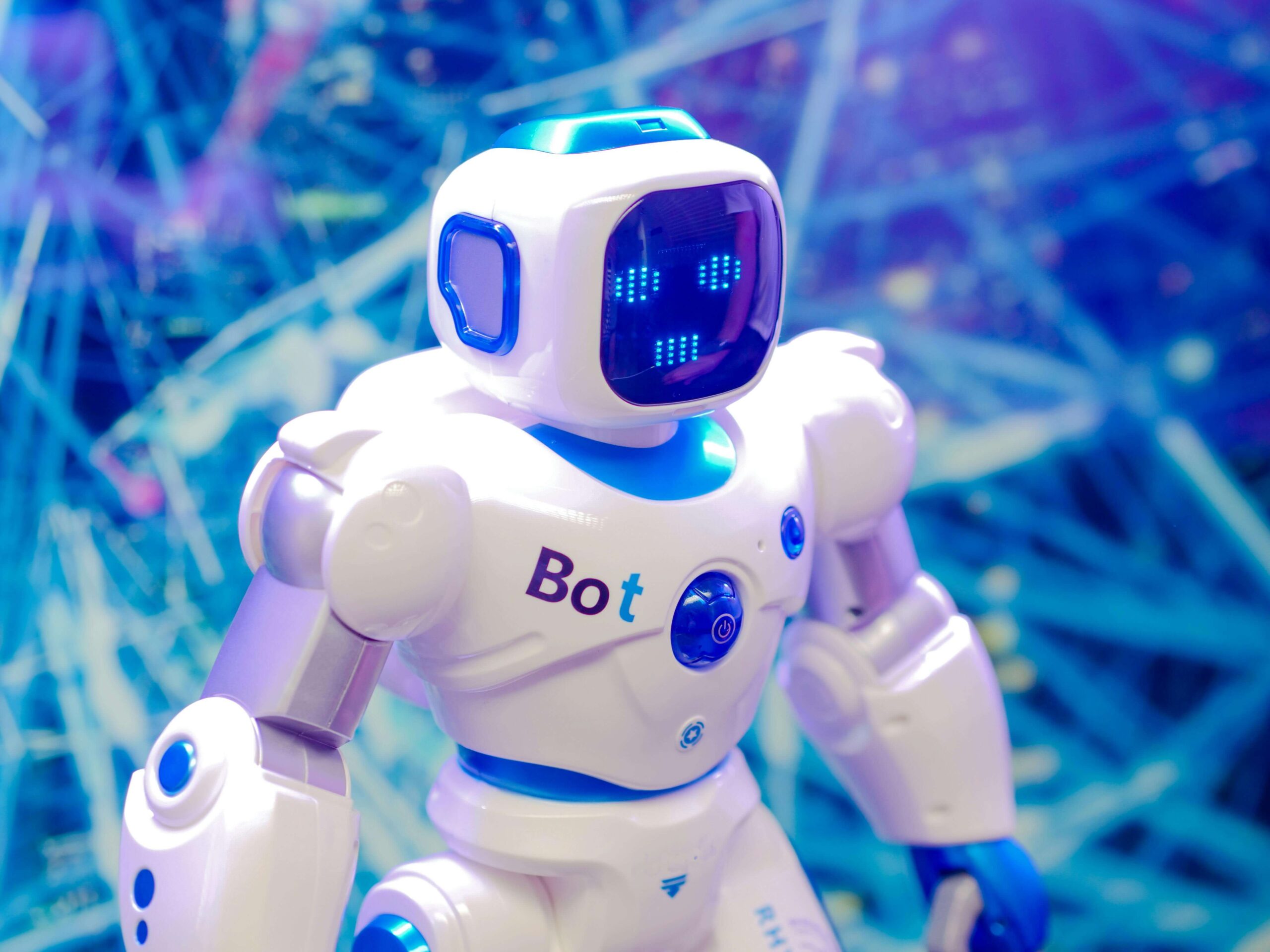
- AI is not only changing industries—it is changing society itself.
Improved Accessibility:
- AI tools provide speech-to-text, text-to-speech, and translation services for people with disabilities.
Global Connectivity:
- AI-powered translation systems break language barriers.
Smart Homes:
- AI controls lighting, temperature, and security systems.
- AI is making daily life more convenient and connected.
Benefits of How AI Is Changing the World
The global impact of AI includes:
- Increased efficiency
- Faster decision-making
- Cost reduction
- Improved safety
- Better customer experiences
- Enhanced innovation
These benefits explain why AI adoption continues to grow rapidly.
Challenges and Concerns
While AI is changing the world positively, there are concerns.
Job Displacement
- Automation may replace some traditional jobs.
Data Privacy
- AI systems rely on large amounts of user data.
Bias and Ethics
- If training data is biased, AI decisions can also be biased.
- Responsible AI development is necessary to ensure fair and ethical use.
The Future of AI
The future of AI looks promising and transformative.
In the coming years, we may see:
- Smarter AI assistants
- Improved human-AI collaboration
- Stronger AI regulations
- More advanced automation
AI Is Changing the World expected to play an even greater role in solving global challenges such as climate change, healthcare accessibility, and education gaps.
Final Thoughts
So, how is AI changing the world?Artificial Intelligence is reshaping industries, improving healthcare, transforming education, enhancing business operations, and redefining everyday life. AI is not just about machines performing tasks—it is about improving human capabilities and creating smarter systems.However, as AI continues to evolve, ethical responsibility and careful regulation will be essential.AI is not replacing the world—it is rebuilding it in smarter, faster, and more connected ways.