

AI Replace Teachers in the Future? Artificial Intelligence (AI) is transforming nearly every industry, from healthcare and transportation to business and entertainment. Education is no exception. AI-powered tools now assist students with homework, provide personalized learning paths, and even grade assignments. With such rapid advancements, an important question arises: Can AI replace teachers in the future?
It is a thought-provoking debate. Some believe AI could eventually take over classrooms, while others argue that human teachers are irreplaceable. To understand this issue properly, we need to look at what AI can do, what teachers provide beyond academics, and how technology might reshape education in the coming years.
The Rise of AI in Education
AI has already become a part of modern classrooms. Many students use AI-based learning platforms that adapt to their pace. These systems analyze performance, identify weaknesses, and recommend targeted exercises. For example, if a student struggles with algebra, the system automatically provides additional practice questions.
AI tools can also grade multiple-choice exams instantly, saving teachers time. Language learning apps use speech recognition to correct pronunciation. Virtual tutors answer questions 24/7, making learning accessible beyond school hours.
In online education, AI tracks student progress and engagement. It can alert instructors if a student falls behind or shows signs of disengagement. These features improve efficiency and create personalized experiences.
What AI Does Well
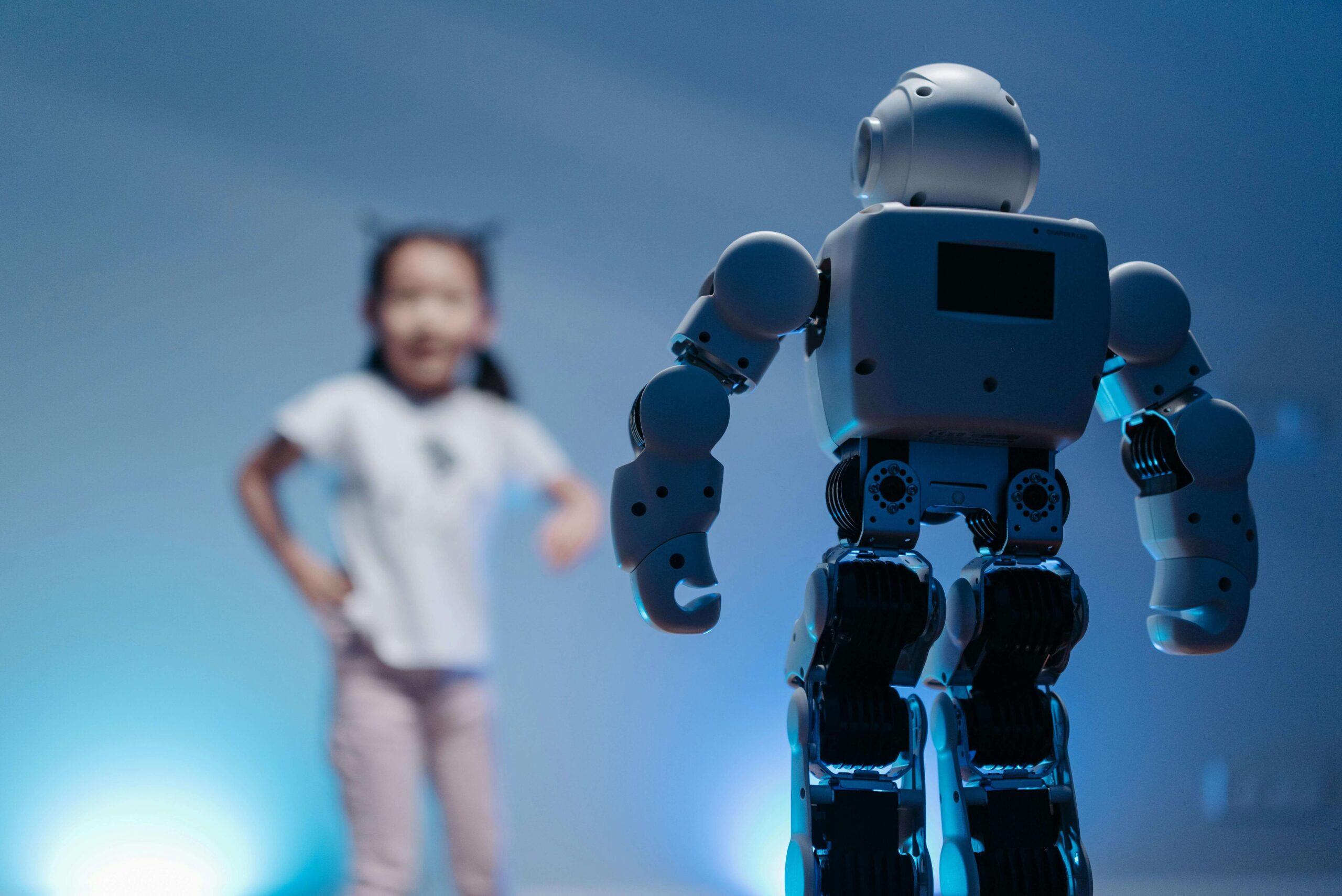
AI has several strengths that make it valuable in education:
-
Personalization
Traditional classrooms often follow a fixed pace. AI, however, can tailor lessons to individual students. Fast learners can move ahead, while others receive additional support. This customization is one of AI’s greatest advantages.
-
Instant Feedback
AI systems provide immediate corrections and explanations. Instead of waiting days for graded assignments, students receive feedback instantly, helping them learn from mistakes quickly.
-
Data Analysis
AI can analyze large amounts of educational data. It identifies trends, predicts outcomes, and suggests improvements. This helps schools design better curriculums.
-
Availability
Unlike human teachers, AI systems are available 24/7. Students can access help anytime, whether late at night or early in the morning.
The Human Side of Teaching
Teaching is not only about explaining lessons. It is also about building relationships, inspiring curiosity, and understanding emotions. Human teachers provide qualities that AI cannot easily replicate.
-
Emotional Intelligence
Teachers understand when a student feels anxious, confused, or unmotivated. They offer encouragement, empathy, and reassurance. AI may recognize patterns in behavior, but it does not genuinely feel or understand emotions.
-
Motivation and Inspiration
Many students remember teachers who inspired them. A passionate teacher can spark interest in a subject that once seemed boring. AI delivers information efficiently, but it cannot share personal stories or life experiences in a meaningful way.
-
Social Development
Schools are not just academic spaces; they are social environments. Teachers help students develop communication skills, teamwork, and conflict resolution abilities. These interactions are deeply human experiences.
-
Ethical Guidance
Teachers guide students in understanding values, ethics, and responsibility. They help shape character and critical thinking skills. AI can provide information, but moral development requires human judgment and discussion.
Challenges of Replacing Teachers with AI
While AI is powerful, it has limitations and challenges.
-
Lack of Creativity
AI generates responses based on data patterns. It does not possess true creativity or independent thought. Teachers, on the other hand, adapt lessons creatively based on classroom dynamics.
-
Bias and Errors
AI systems depend on the data they are trained on. If the data contains bias, the system may produce unfair or inaccurate outcomes. Human oversight is necessary to ensure fairness.
-
Technical Issues
Technology can fail. Power outages, system errors, or cyberattacks could disrupt AI-based education systems.
-
Accessibility Gaps
Not all students have equal access to technology. Replacing teachers with AI could widen the digital divide, especially in underdeveloped areas.
A More Realistic Future: Collaboration
AI can handle repetitive tasks like grading, scheduling, and data analysis. This allows teachers to focus on meaningful interactions with students. Teachers can use AI insights to better understand individual learning needs.
In this model, AI acts as an assistant, not a replacement. It enhances efficiency while teachers continue to provide emotional support and guidance.
For example, imagine a classroom where AI tracks each student’s progress in real time. The teacher receives instant updates about who needs extra help. Instead of spending hours grading papers, the teacher spends time mentoring students.
Students’ Perspective
Students often appreciate the convenience of AI tools. Instant explanations and personalized practice can boost confidence. However, many students also value face-to-face interaction.
Additionally, younger children especially need human guidance. Early education focuses heavily on social and emotional development, which requires human interaction.
Ethical and Social Considerations
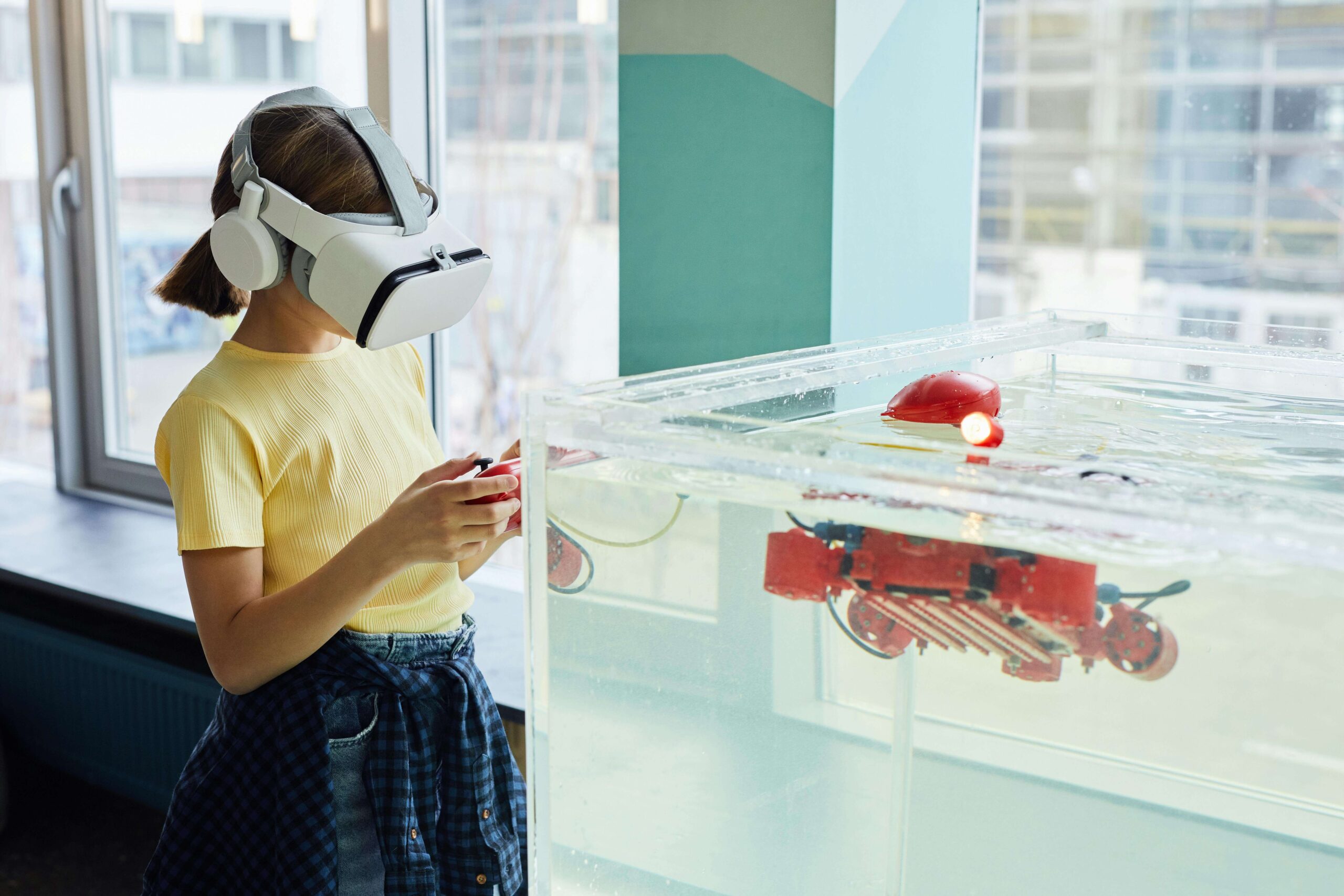
If AI were to replace teachers entirely, it could impact employment significantly. Teaching is one of the most common professions worldwide. Removing human teachers could create social and economic challenges.
There is also the issue of accountability. If an AI system makes a mistake in teaching or grading, who is responsible? Clear regulations would be necessary.
Privacy concerns also arise. AI systems collect and analyze student data. Protecting this information is essential to prevent misuse.
The Long-Term Outlook
Over the next decade, AI will likely become more advanced. It may simulate conversation more naturally and provide increasingly accurate support. Virtual reality and AI could create immersive learning environments.
Conclusion
Rather than viewing AI as a threat, it is more productive to see it as a partner. When combined thoughtfully, AI and teachers together can create a powerful educational environment. The classroom of the future may include advanced technology, but it will still need compassionate human educators. In the end, education is not just about information—it is about connection. And that is something no machine can fully replace.