Real-Life Examples: Artificial Intelligence is no longer a futuristic concept—it is a reality in 2026. From smartphones and hospitals to businesses and classrooms, AI is transforming how we live and work. Many people use AI daily without even realizing it.
In this article, we will explore real-life examples of AI in 2026 and understand how this technology is shaping different industries around the world.
AI in Smartphones and Personal Assistants

One of the most common real-life examples of AI in 2026 is in smartphones. AI powers voice assistants, predictive text, facial recognition, and smart cameras.
When you unlock your phone using face recognition, AI scans and compares facial features in milliseconds. Predictive typing learns your writing style and suggests words before you finish typing.
Voice assistants now understand context better than ever. They can schedule appointments, send messages, search for information, and even control smart home devices.
In 2026, these assistants are more conversational and personalized, learning from user behavior over time.
AI in Healthcare
Healthcare is one of the most impactful areas where AI is making a difference.
1. Disease Diagnosis
AI systems analyze medical images like X-rays, MRIs, and CT scans with incredible accuracy. In many cases, AI helps doctors detect diseases like cancer at an early stage.
2. Personalized Treatment Plans
AI analyzes patient data, genetics, and medical history to suggest personalized treatment options.
3. Virtual Health Assistants
AI chatbots provide 24/7 health support, answer common medical questions, and remind patients to take medications.
In 2026, AI in healthcare is helping reduce medical errors and improve patient outcomes worldwide.
AI in Education
Another important real-life example of AI in 2026 is in education.
AI-Powered Learning Platforms
Online learning platforms use AI to personalize lessons based on student performance. If a student struggles with a topic, the system provides additional practice and explanations.
Smart Classrooms
AI-powered smart classrooms track student engagement and provide insights to teachers about learning patterns.
Automated Grading
- AI systems can now grade assignments, quizzes, and even essays with high accuracy, saving teachers valuable time.
- AI is making education more interactive and personalized than ever before.
AI in E-commerce and Online Shopping
E-commerce platforms heavily rely on AI in 2026.
Product Recommendations
When you shop online and see “Recommended for You,” that’s AI analyzing your browsing and purchase history.
Dynamic Pricing
AI adjusts product prices based on demand, competition, and customer behavior.
Chatbots for Customer Support
- AI chatbots handle customer queries instantly, improving response time and customer satisfaction.
- These real-life examples of AI in 2026 show how businesses use AI to increase sales and improve user experience.
AI in Banking and Finance
The finance industry has fully embraced AI.
Fraud Detection
AI systems analyze transaction patterns to detect suspicious activities in real time.
Credit Scoring
Banks use AI to evaluate loan applications more accurately by analyzing multiple financial factors.
AI Trading Systems
- AI-powered trading systems analyze market trends and execute trades faster than humans.
- In 2026, AI has significantly improved security and efficiency in financial institutions.
AI in Transportation
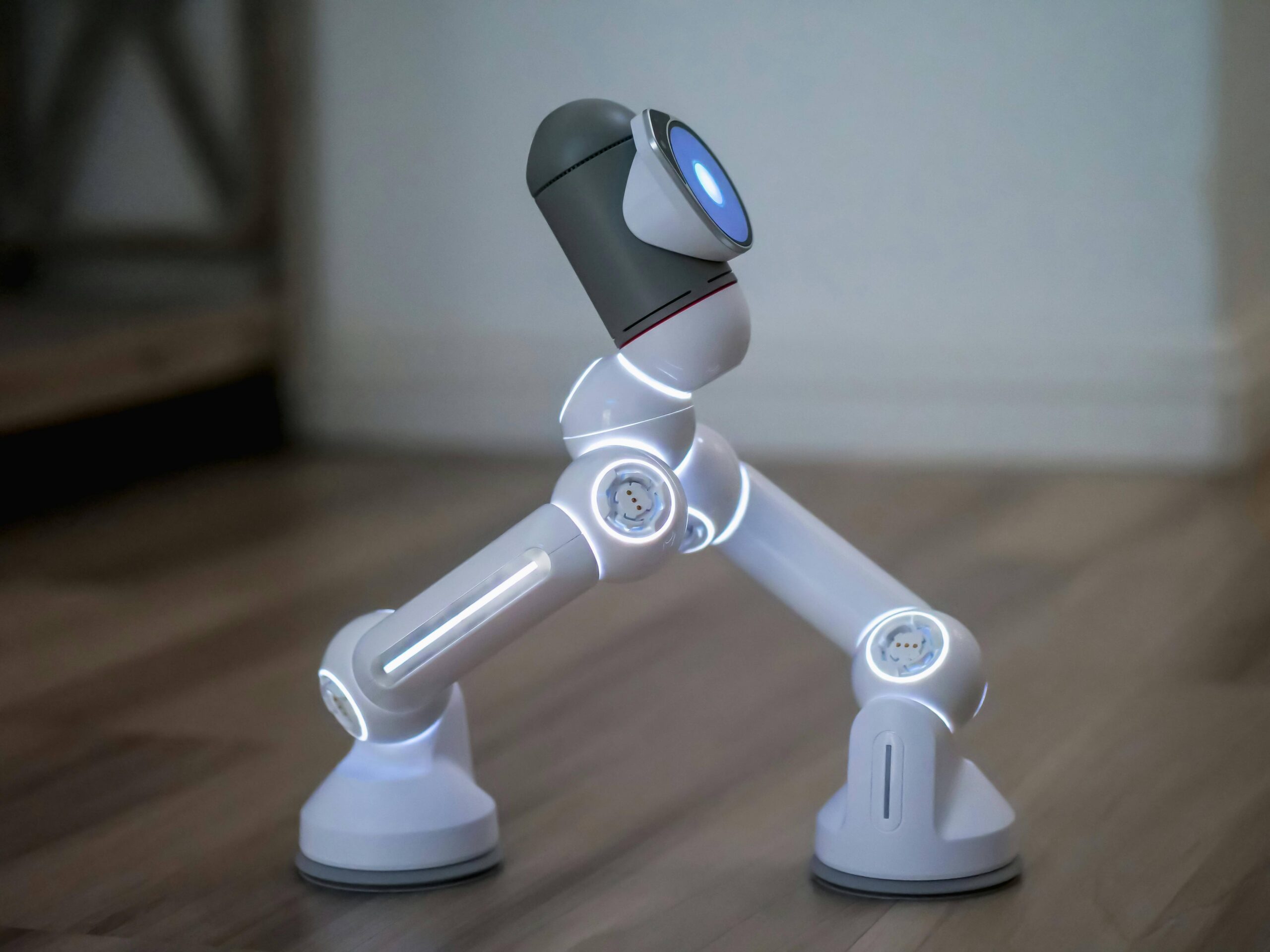
Transportation is another major field where AI plays a critical role.
Self-Driving Vehicles
Although fully autonomous cars are still developing, many vehicles in 2026 use AI for:
- Lane detection
- Collision warnings
- Automatic braking
- Parking assistance
Smart Traffic Management
- Cities use AI systems to manage traffic flow, reduce congestion, and optimize signal timing.
- AI in transportation is helping make roads safer and more efficient.
AI in Social Media
Social media platforms rely heavily on AI algorithms.
Content Recommendations
AI analyzes user behavior to show personalized content in feeds.
Content Moderation
AI detects harmful content, spam, and misinformation.
Targeted Advertising
- Businesses use AI-driven advertising systems to show ads based on user interests and behavior.
- In 2026, AI algorithms are more advanced and capable of understanding user preferences deeply.
AI in Content Creation
One of the fastest-growing real-life examples of AI in 2026 is content creation.
AI Writing Tools
AI tools help bloggers, marketers, and students generate articles, captions, and reports.
AI Image and Video Generation
AI can create realistic images and edit videos automatically.
Music and Art Creation
- Artists use AI to compose music, generate artwork, and experiment with creative ideas.
- AI is not replacing creativity but enhancing it.
AI in Cybersecurity
Cybersecurity threats are increasing, and AI is helping defend against them.
Threat Detection
AI systems monitor networks 24/7 to detect unusual activity.
Malware Detection
AI can identify new types of malware by analyzing behavior patterns.
Risk Prediction
- AI predicts potential security vulnerabilities before they are exploited.
- These advancements make digital systems safer in 2026.
AI in Human Resources
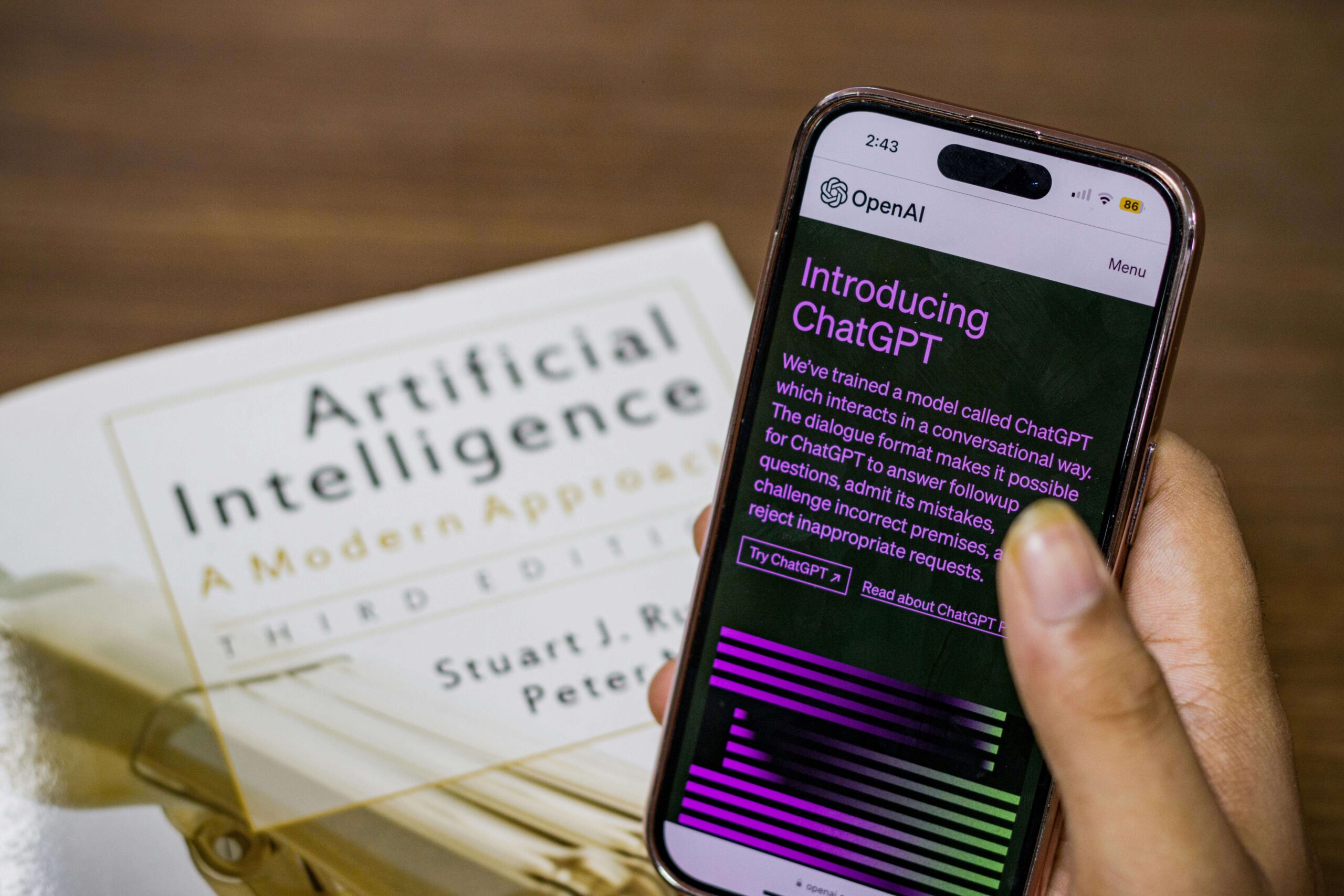
Companies use AI in recruitment processes.
Resume Screening
AI systems scan resumes and shortlist candidates based on required skills.
Interview Analysis
Some AI tools analyze video interviews and assess communication patterns.
Employee Performance Analytics
- AI tracks performance metrics and suggests improvements.
- This makes hiring processes faster and more data-driven.
AI in Agriculture
Agriculture is benefiting from AI innovations.
Crop Monitoring
Drones equipped with AI analyze crop health using image recognition.
Smart Irrigation
AI systems optimize water usage based on weather data.
Yield Prediction
- AI predicts crop yields using historical data and environmental factors.
- In 2026, AI is helping farmers increase productivity and reduce waste.
AI in Smart Homes
Smart homes are becoming more intelligent with AI integration.
Smart Thermostats
AI learns user preferences and adjusts temperature automatically.
Smart Security Systems
AI-powered cameras detect unusual movements and send alerts.
Voice-Controlled Appliances
- AI assistants control lighting, appliances, and entertainment systems.
- These real-life examples of AI in 2026 show how AI simplifies everyday life.
Benefits of AI in 2026
AI provides several key benefits:
- Increased efficiency
- Reduced human error
- Faster decision-making
- Cost savings
- Enhanced personalization
- Improved safety
These advantages explain why AI adoption continues to grow globally.
Challenges of AI in 2026
Despite its benefits, AI also has challenges:
- Data privacy concerns
- Algorithm bias
- Job displacement fears
- Ethical issues
- High implementation costs
Responsible AI development remains essential to address these concerns.
The Future Beyond 2026
AI technology continues to evolve rapidly. Future developments may include:
- More advanced human-AI collaboration
- Improved emotional intelligence in AI
- Better regulation and ethical frameworks
- Expanded AI use in emerging industries
As AI systems become smarter, their integration into daily life will become even deeper.
Final Thoughts
The real-life examples of AI in 2026 clearly show that Artificial Intelligence is not just a trend—it is a transformative force across industries.
From healthcare and education to banking, transportation, and content creation, AI is improving efficiency, personalization, and innovation.
Understanding these real-life applications helps individuals and businesses prepare for a future where AI plays an even greater role.
AI in 2026 is not about replacing humans—it is about empowering them with smarter tools and better decision-making capabilities.
One Response