Home Robots: Artificial Intelligence (AI) is reshaping the way we live, work, and interact with technology. One of the most exciting innovations in the smart home industry is AI-powered home robots. Among the leading companies in this space is Amazon, which has entered the robotics market with intelligent devices designed to assist users in their daily lives.
Amazon’s AI-powered home robots combine artificial intelligence, machine learning, computer vision, and voice recognition to create a new level of smart home experience. In this article, we will explore how Amazon’s home robots work, their features, benefits, challenges, and what the future holds for AI-driven home automation.
The Rise of AI in Smart Homes

Over the past decade, smart homes have evolved from simple voice assistants to fully connected ecosystems. Devices can now control lighting, security cameras, thermostats, and appliances with voice commands or smartphone apps.
Amazon has been a major player in this transformation with products powered by Amazon Alexa. However, the company took a significant step forward by introducing AI-powered home robots that move around and interact with their environment.
Introducing Amazon Astro: The AI Home Robot
In 2021, Amazon launched Amazon Astro, its first AI-powered home robot. Astro is designed to assist with home monitoring, communication, and smart home management.
Unlike traditional smart speakers that remain stationary, Astro can navigate around your house autonomously. It uses cameras, sensors, and AI algorithms to understand its surroundings and respond intelligently.
How Amazon’s AI-Powered Home Robots Work
Amazon’s home robots rely on several advanced technologies:
1. Artificial Intelligence and Machine Learning
AI allows the robot to learn from its environment and user behavior. Over time, the robot becomes better at recognizing family members, understanding routines, and responding to specific commands.
Machine learning helps Astro improve navigation and decision-making based on real-world interactions.
2. Computer Vision
Astro uses advanced cameras and computer vision systems to identify objects, people, and obstacles. This enables it to move safely around furniture, avoid collisions, and monitor specific areas of the home.
Computer vision also allows Astro to detect unusual activity, making it useful for home security.
3. SLAM Technology (Simultaneous Localization and Mapping)
To move efficiently inside a house, Astro uses SLAM technology. This allows the robot to create a digital map of the home and determine its location within that map.
This technology ensures smooth and accurate navigation.
4. Voice Recognition with Alexa Integration
Astro is fully integrated with Amazon Alexa. Users can give voice commands just like they would with an Echo device.
For example:
- “Astro, check the kitchen.”
- “Astro, play music.”
- “Astro, call mom.”
The integration makes it feel like a mobile version of a smart speaker.
Key Features of Amazon’s AI Home Robot
1. Home Monitoring
Astro can patrol your home while you are away. Through a smartphone app, users can remotely view live video feeds and send the robot to specific locations.
This feature enhances home security without installing multiple cameras in every room.
2. Smart Home Control
Astro connects with other smart home devices. It can adjust lights, display camera feeds, and manage connected appliances.
With Amazon’s smart ecosystem, users can control everything from one central robotic assistant.
3. Video Calls and Communication
Astro includes a screen that can follow you around during video calls. This makes it easier to move freely while staying connected with family and friends.
It acts as a mobile communication device within the home.
4. Entertainment and Assistance
Astro can play music, provide weather updates, set reminders, and answer questions. It offers similar features to other Alexa-powered devices but with added mobility.
Benefits of Amazon’s AI-Powered Home Robots
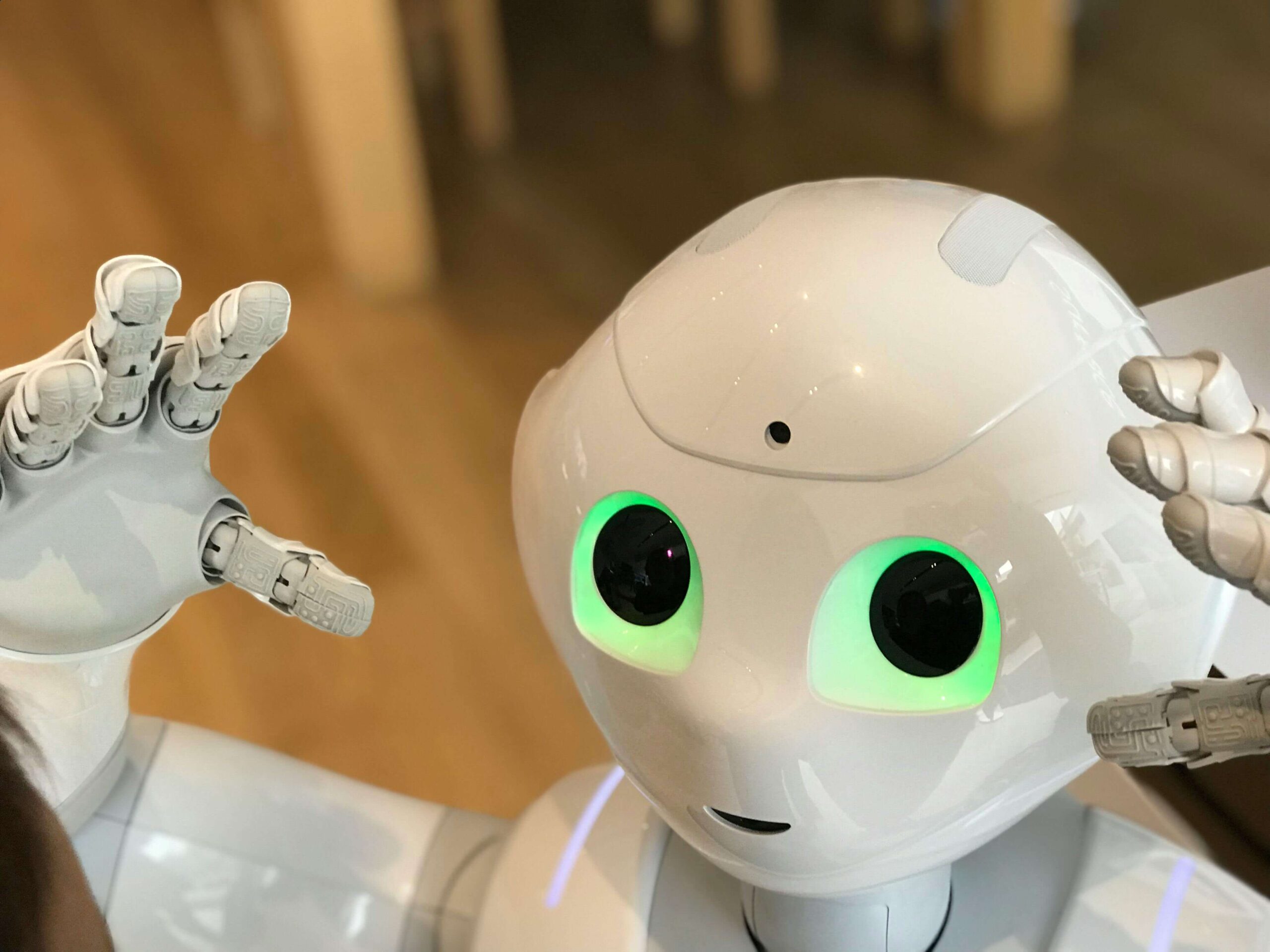
Enhanced Convenience
Instead of walking to a smart display or camera, users can send Astro to any room. This saves time and adds convenience.
Improved Home Security
Astro’s patrol feature and live video streaming provide peace of mind. The robot can alert users about unusual sounds or movements.
Smart Mobility
Mobility is what sets AI home robots apart from traditional smart speakers. Astro brings information and services directly to you.
Personalized Experience
Because of machine learning, the robot adapts to individual household patterns, making interactions more natural over time.
Privacy and Security Concerns
Whenever cameras and AI are involved, privacy concerns arise. Critics worry about:
- Data collection practices
- Video recording inside homes
- Potential hacking risks
Amazon has stated that users can control privacy settings, disable cameras and microphones, and review stored data.
However, privacy remains a significant consideration for potential buyers.
Market Competition in AI Home Robotics
Amazon is not alone in the AI robotics market. Companies worldwide are developing intelligent home assistants and robotic devices.
For example:
- iRobot – Known for robotic vacuum cleaners like Roomba.
- Samsung – Developing AI-powered home robots.
- Google – Competing in smart home AI through Google Assistant devices.
The competition is pushing innovation and lowering costs over time.
Challenges Facing AI-Powered Home Robots
High Cost
Advanced robotics technology is expensive. AI home robots are currently priced higher than standard smart devices, limiting widespread adoption.
Limited Functionality
Although impressive, home robots still have limited tasks compared to human helpers. They cannot perform complex household chores independently.
Battery Life
Since robots move around, battery life becomes an important factor. Frequent charging may affect user experience.
Technical Limitations
AI systems may occasionally misunderstand commands or struggle with cluttered environments.
The Future of Amazon’s AI Home Robots
The future of AI-powered home robots looks promising. Over the next few years, we can expect:
- Improved navigation systems
- Longer battery life
- Advanced emotional recognition
- Integration with more smart home devices
- Reduced prices
As AI technology evolves, home robots may eventually assist with physical tasks such as cleaning, carrying items, or even elder care support.
Impact on the Smart Home Industry

Amazon’s entry into robotics signals a major shift in smart home innovation. AI-powered mobile robots could become central hubs of connected households.
This technology may also influence:
- Elderly care solutions
- Remote work communication
- Home security systems
- Personalized digital assistants
With continuous advancements, AI robots could redefine how families interact with technology daily.
Conclusion
Amazon’s AI-powered home robots represent the next stage in smart home evolution. With devices like Amazon Astro, Amazon is combining artificial intelligence, robotics, and voice technology to create more interactive and mobile home assistants.
While challenges such as privacy concerns, cost, and technical limitations remain, the potential benefits are significant. Enhanced security, convenience, and personalization make AI home robots an exciting innovation.
As artificial intelligence continues to improve, we are moving closer to a future where intelligent robots are not just tools but trusted companions within our homes. Amazon’s advancements in AI robotics may play a major role in shaping that future.