Elite Athletes Leadership is often associated with business executives, political leaders, or managers. However, some of the most powerful leadership lessons come from the world of sports. Elite athletes spend years developing discipline, resilience, teamwork, and mental strength—qualities that are also essential for effective leadership.
From Olympic champions to professional team captains, athletes demonstrate how determination, focus, and commitment can lead to success. Their journeys provide valuable insights not only for sports professionals but also for entrepreneurs, managers, students, and anyone who wants to become a better leader.
In this article, we explore the most important leadership lessons we can learn from elite athletes and how these lessons can be applied to business, work, and everyday life.
Discipline is the Foundation of Success

One of the most obvious traits of elite athletes is discipline. Behind every victory is a long period of hard work, strict routines, and consistent practice. Athletes follow demanding training schedules, maintain healthy lifestyles, and constantly push their limits.
Great leaders also need discipline to stay focused on their goals. In business and professional life, success rarely happens overnight. It requires commitment, patience, and the ability to work consistently toward long-term objectives.
Athletes teach us that success is built through daily habits. Leaders who develop strong routines, manage their time effectively, and stay dedicated to improvement are more likely to achieve lasting success.
Resilience in the Face of Failure
Even the best athletes experience failure. Losing games, suffering injuries, or missing important opportunities are part of every sports career. What separates elite athletes from others is their ability to bounce back stronger.
Resilience is one of the most valuable leadership qualities. In business and life, challenges and setbacks are unavoidable. Leaders must learn how to stay motivated even when things do not go according to plan.
Athletes show that failure is not the end—it is often a learning opportunity. By analyzing mistakes, adjusting strategies, and continuing to move forward, leaders can transform setbacks into stepping stones for success.
The Power of Teamwork
In many sports, success depends on teamwork. Even the most talented player cannot win championships alone. Teams succeed when players trust each other, communicate effectively, and work toward a common goal.
This principle applies directly to leadership. Successful leaders understand that collaboration is more powerful than individual effort. They encourage open communication, respect diverse perspectives, and build strong relationships within their teams.
Athletes demonstrate how supporting teammates and working together can produce better results. Leaders who create positive and cooperative environments often achieve higher productivity and stronger organizational performance.
Strong Mental Focus
Elite athletes train not only their bodies but also their minds. Mental toughness is essential for performing under pressure, staying focused during competitions, and maintaining confidence in difficult moments.
Leaders also face high-pressure situations where important decisions must be made quickly. The ability to stay calm, focused, and confident can make a huge difference in leadership effectiveness.
Athletes practice visualization, goal setting, and mental preparation to stay focused. Leaders can apply these techniques to improve concentration, manage stress, and make better decisions in challenging environments.
Goal Setting and Strategic Planning
Every successful athlete sets clear goals. Whether preparing for a championship, improving performance, or achieving personal records, athletes constantly work toward measurable objectives.
Effective leadership also requires clear vision and strategic planning. Leaders must define goals, create action plans, and monitor progress to ensure success.
Athletes often break large goals into smaller milestones, making them easier to achieve. This approach can be very useful in business, where long-term success is achieved through step-by-step progress.
By setting realistic goals and tracking progress regularly, leaders can maintain motivation and guide their teams toward meaningful achievements.
Adaptability and Continuous Improvement
Sports environments are constantly changing. Opponents develop new strategies, conditions vary, and unexpected challenges appear during competitions. Elite athletes must adapt quickly and continuously improve their skills.
The same is true for leadership in today’s fast-changing world. Technology, market trends, and customer expectations are evolving rapidly. Leaders must remain flexible and open to new ideas.
Athletes understand that improvement never stops. They analyze performances, learn from coaches, and adjust training methods to become better. Leaders who adopt a similar mindset of continuous learning are more likely to succeed in competitive industries.
Leading by Example
One of the most powerful leadership lessons from athletes is leading by example. Team captains and experienced players often motivate others through their actions rather than words.
When teammates see someone working hard, staying disciplined, and maintaining a positive attitude, they feel inspired to do the same.
In business environments, leaders who demonstrate integrity, dedication, and professionalism gain respect from their teams. Employees are more likely to follow leaders who practice what they preach.
Athletes remind us that true leadership is not about authority—it is about influence and inspiration.
Handling Pressure and Staying Calm
High-level sports competitions often involve intense pressure. Athletes perform in front of large audiences, face strong opponents, and deal with high expectations.
Despite these pressures, elite athletes learn how to stay calm and focused during critical moments. This ability allows them to perform at their best when it matters most.
Leaders also face pressure when making important decisions, managing teams, or solving complex problems. Learning how to control emotions and remain composed can help leaders make clearer and more effective decisions.
Athletes teach us that preparation, confidence, and mental discipline are essential for managing pressure successfully.
Building Confidence and Motivation
Confidence plays a huge role in athletic success. Athletes must believe in their abilities even when facing difficult opponents or challenging situations.
Great leaders also inspire confidence in themselves and their teams. They motivate others by encouraging growth, recognizing achievements, and creating a positive environment.
Athletes often use motivational techniques such as positive thinking, visualization, and strong support systems to maintain confidence. Leaders can use similar strategies to inspire their teams and build strong organizational cultures.
The Importance of Persistence
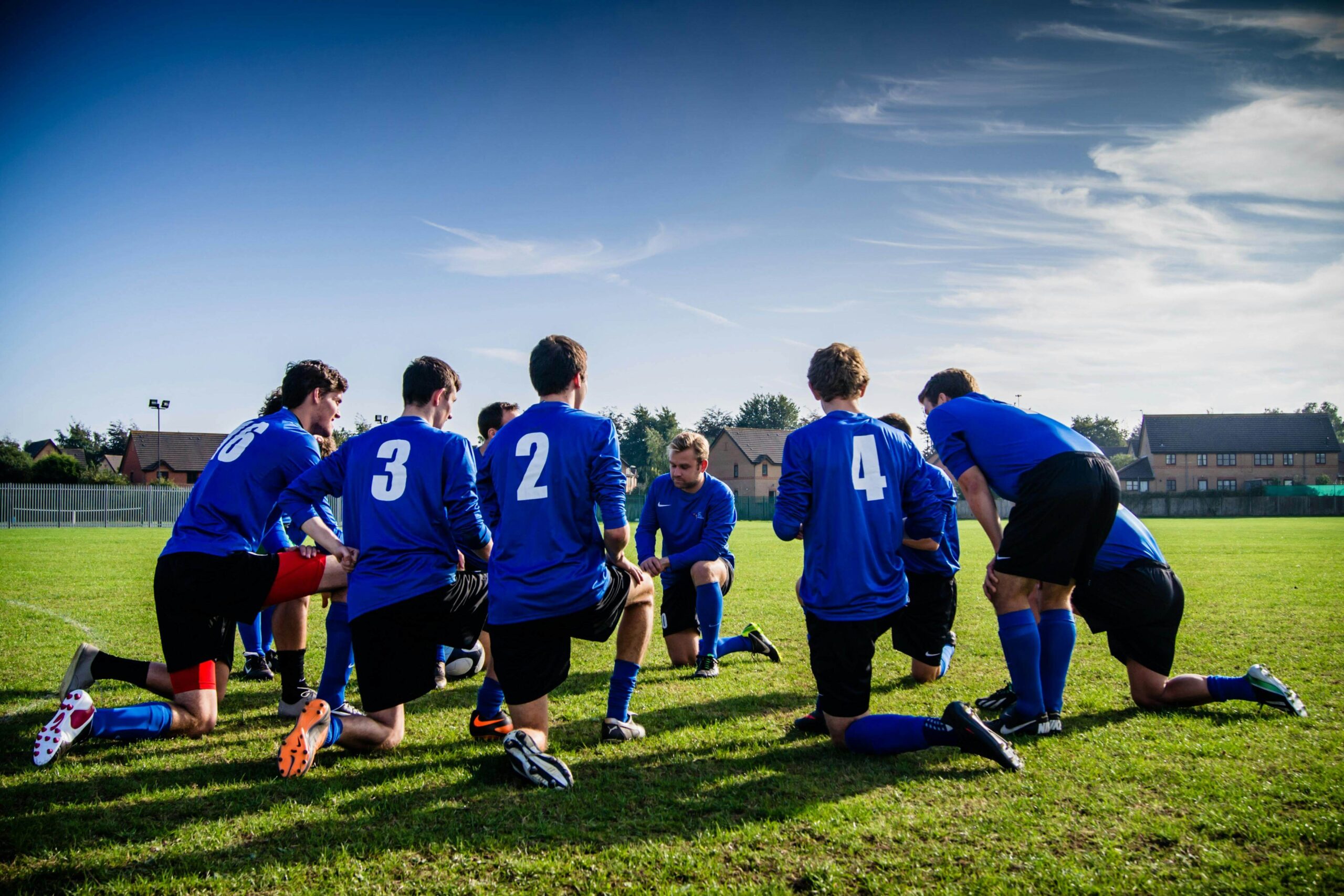
Perhaps the most important lesson from elite athletes is persistence. Achieving excellence in sports requires years of training, dedication, and perseverance.
Many athletes face setbacks, injuries, or periods of poor performance. Yet they continue working hard until they reach their goals.
Leadership also requires persistence. Long-term success often depends on the ability to keep moving forward despite obstacles.
Athletes remind us that determination and patience are key ingredients of success. Those who remain committed to their goals are more likely to achieve extraordinary results.
Conclusion
Elite athletes offer powerful lessons in leadership that go far beyond sports. Their dedication, resilience, teamwork, and mental strength provide valuable insights for anyone striving to succeed in business or personal life.
By embracing discipline, learning from failure, setting clear goals, and leading by example, individuals can develop strong leadership skills that inspire others and drive meaningful results.
The mindset of a champion is not limited to the sports field. When these principles are applied in workplaces, organizations, and communities, they can create leaders who are capable of achieving great success and guiding others toward a shared vision.
Discover powerful leadership lessons from elite athletes, including discipline, resilience, teamwork, and mental strength, and learn how these principles can improve business leadership and personal success.