

Generative AI is transforming education by helping students and educators create content, solve problems, and access information more quickly. While these tools offer many benefits, overreliance on AI can reduce critical thinking, problem-solving skills, and independent learning. Generative AI in Education also raises concerns about academic integrity, misinformation, and responsible classroom use. Understanding both the benefits and challenges of AI is essential for creating a balanced and effective learning environment.
Understanding Generative AI in Education
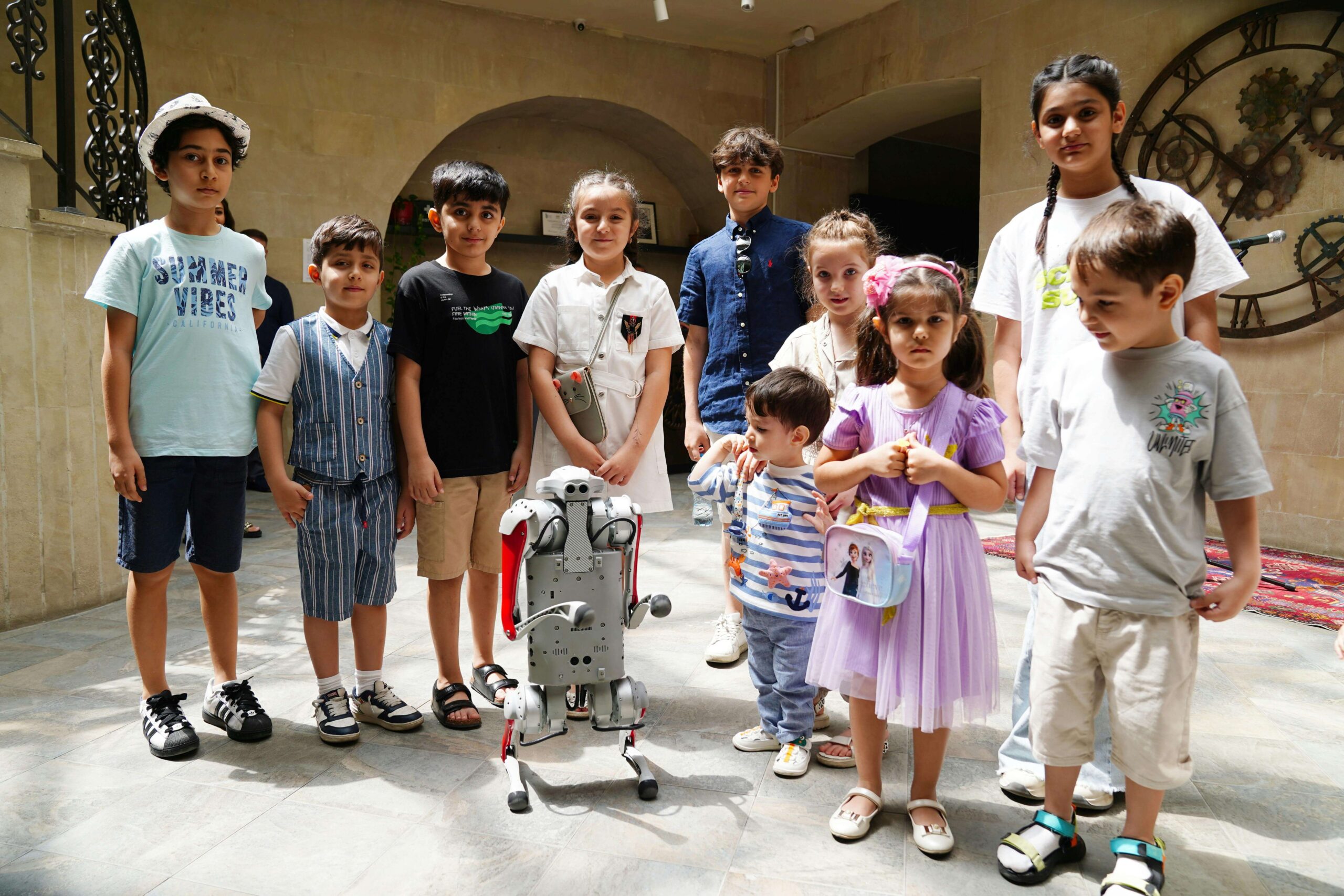
Generative AI refers to artificial intelligence systems that create new content based on patterns learned from large datasets. These systems are capable of producing human-like responses, writing essays, explaining concepts, and generating ideas within seconds.
Students are increasingly turning to generative AI tools to assist with academic tasks such as:
-
Writing essays and reports
-
Summarizing academic articles
-
Solving mathematics problems
-
Generating research ideas
-
Translating text or simplifying difficult concepts
While these capabilities can make learning more accessible, they also raise concerns about how students engage with educational material.
Learning is not just about obtaining answers—it is about developing understanding, analytical thinking, and problem-solving skills.
When AI performs too much of the intellectual work, students may miss opportunities to develop these essential abilities.
Reduced Critical Thinking Skills
One of the biggest concerns surrounding generative AI in education is its potential impact on critical thinking.
Critical thinking involves evaluating information, questioning assumptions, and forming logical conclusions. These skills develop through practice, reflection, and active engagement with challenging material.
If students rely on AI tools to generate answers automatically, they may stop engaging deeply with the content they are studying.
For example, instead of analyzing a historical event or constructing an argument, a student might simply request an AI system to produce an essay.
While the output may appear well-written, the student may not fully understand the reasoning behind it.
Over time, this dependency could weaken the analytical abilities that education aims to develop.
Decline in Writing and Communication Skills
Writing is an essential academic skill that helps students organize thoughts, express ideas clearly, and communicate arguments effectively.
Generative AI tools can now produce essays, summaries, and reports almost instantly. While this may save time, it can also discourage students from practicing writing themselves.
If students consistently rely on AI to complete written assignments, they may struggle to develop their own voice and communication skills.
The process of drafting, revising, and editing written work plays an important role in learning. Skipping this process may lead to weaker academic development.
In the long run, students may face challenges when required to write independently in exams, professional environments, or research settings.
Academic Integrity and Ethical Concerns
Another major issue related to generative AI in education is academic integrity.
Educational institutions rely on assessment methods such as essays, reports, and projects to evaluate student understanding. When AI systems generate these assignments, it becomes difficult for teachers to determine whether the work truly reflects a student’s knowledge.
This raises concerns about:
-
Plagiarism and academic dishonesty
-
Unfair advantages among students
-
Difficulty evaluating learning outcomes
Some students may use AI responsibly as a learning aid, while others may misuse it to bypass the learning process entirely.
Educational institutions must therefore develop new policies and guidelines that address AI-generated content.
Loss of Problem-Solving Practice
Problem-solving is a core component of education, especially in subjects such as mathematics, science, and engineering.
Generative AI systems can solve complex problems quickly by providing step-by-step solutions.
While this can be helpful for learning concepts, excessive reliance on AI solutions may prevent students from practicing problem-solving independently.
Learning often involves struggling with difficult questions and experimenting with different approaches.
This process helps students build resilience, persistence, and creativity.
If AI tools remove these challenges, students may lose valuable learning experiences that contribute to intellectual growth.
Reduced Motivation to Learn
Education is most effective when students are motivated to explore ideas, ask questions, and seek deeper understanding.
If AI tools make academic tasks too easy, some students may become less motivated to engage with learning materials.
For instance, instead of reading textbooks or researching topics thoroughly, students may simply ask AI systems for quick summaries.
While summaries can be useful for revision, relying solely on them may lead to superficial learning.
True understanding requires exploration, curiosity, and active participation in the learning process.
Overreliance on Technology
Technology has always played a role in education, from calculators to online learning platforms. However, overreliance on technology can sometimes weaken fundamental skills.
If students depend too heavily on generative AI, they may struggle when technology is unavailable or when independent thinking is required.
For example, students taking written examinations without AI assistance may find it difficult to organize ideas or construct arguments on their own.
Balancing technological assistance with independent learning is therefore essential.
Potential Benefits When Used Responsibly
Although generative AI can harm learning when misused, it also offers valuable benefits when used responsibly.
AI tools can support education by:
-
Explaining complex concepts in simple language
-
Providing additional examples for practice
-
Assisting students with language barriers
-
Helping teachers design learning materials
-
Offering personalized feedback for improvement
When used as a support tool rather than a replacement for learning, AI can enhance educational experiences.
The key lies in guiding students on how to use AI ethically and effectively.
Strategies for Responsible AI Use in Education
Educators and institutions can take several steps to ensure that generative AI supports learning rather than harming it.
Teaching AI Literacy
Students should learn how AI systems work, including their limitations and potential biases. Understanding the technology helps students use it responsibly.
Redesigning Assessments
Traditional assignments may need to be redesigned to emphasize creativity, critical thinking, and personal reflection—tasks that are harder for AI to replicate.
Encouraging Independent Thinking
Teachers can encourage students to explain their reasoning and demonstrate how they arrived at their answers.
Promoting Ethical Use
Clear guidelines should be established regarding when and how AI tools can be used in academic work.
By combining these strategies, educators can create a balanced approach that integrates AI while preserving essential learning skills.
The Future of Learning in the AI Era

The presence of generative AI in education is unlikely to disappear. Instead, it will continue evolving and becoming more integrated into academic environments.
The challenge for educators is not to eliminate AI but to adapt educational practices so that students still develop the intellectual abilities necessary for success.
Future classrooms may combine human teaching with AI-assisted learning tools that support creativity, research, and personalized education.
However, maintaining the core goals of education—critical thinking, curiosity, and knowledge development—will remain essential.
Frequently Asked Questions
Q:What is Generative AI in education?
A:AI that supports learning.
Q:Can AI harm student learning?
A:Yes, if overused.
Q:How does AI affect critical thinking?
A:It can reduce independent thinking.
Q:What are the benefits of AI in education?
A:Faster and personalized learning.
Q:Should students rely on AI?
A:No, use it responsibly.
Q:What is the future of AI in education?
A:Smarter human-AI learning.
Key Takeaways
- Generative AI supports learning but should not replace independent thinking.
- Excessive AI use may reduce critical thinking and creativity.
- Responsible AI improves education while protecting academic integrity.
- Teachers play a key role in guiding ethical AI use.
- Human judgment remains essential for meaningful learning.
Conclusion
Generative AI in Education offers valuable opportunities to improve teaching and learning, but it must be used responsibly. By balancing AI assistance with independent thinking, ethical practices, and human guidance, educators and students can benefit from AI while preserving creativity, critical thinking, and academic integrity.