

Digital Ink Wash Painting Tool: Digital art has transformed the way artists express themselves, and among the myriad of digital tools available today, the digital ink wash painting tool has emerged as a unique medium. Inspired by traditional ink wash painting, often associated with East Asian art, this digital counterpart allows artists to blend precision, texture, and creativity with the convenience of technology. Growing your skills and effectively using a digital ink wash painting tool requires understanding both its technical aspects and artistic nuances.
Understanding Digital Ink Wash Painting
Before diving into growth strategies, it’s essential to understand what a digital ink wash painting tool is. Traditional ink wash painting, also known as sumi-e, uses varying shades of black ink and water to create depth, contrast, and emotion. Translating this into a digital format involves software that mimics the behavior of ink on paper. Tools like Procreate, Clip Studio Paint, Adobe Fresco, and Corel Painter now offer brushes that replicate the fluidity, gradient, and absorption effects of traditional ink.
A digital ink wash painting tool is not just a brush in software—it is a gateway to creating art that feels organic and alive, even within a digital environment. The tool’s growth involves not only mastering the software but also understanding traditional painting principles.
Step 1: Choosing the Right Tool
The first step in growing your expertise is selecting the right digital ink wash painting tool. Each platform has unique features:
-
Procreate: Ideal for iPad users, it offers customizable brushes that simulate ink flow and water blending.
-
Adobe Fresco: Known for its live brushes, it creates realistic ink textures and spreads naturally.
-
Clip Studio Paint: Offers advanced brush customization and is perfect for comic artists and illustrators.
-
Corel Painter: A professional-grade tool that provides the most authentic traditional painting experience in a digital format.
When choosing a tool, consider your device, budget, and the style of art you want to create. Investing time in exploring the features of your chosen software ensures smoother growth.
Step 2: Learning Brush Dynamics
One of the most critical aspects of a digital ink wash painting tool is understanding brush dynamics. Unlike a standard digital brush, ink wash brushes respond to pressure, tilt, and speed. Experimenting with these parameters can create washes, gradients, and strokes that mimic real ink on paper.
Here are some tips:
-
Pressure Sensitivity: Adjust the brush to react to pressure for thicker or thinner strokes.
-
Flow and Opacity: Control how much “ink” is applied and how it interacts with layers beneath.
-
Wetness Simulation: Use brushes that allow blending of colors to mimic ink spreading with water.
Mastering these dynamics can take weeks, but consistent practice will produce strokes that feel natural and fluid.
Step 3: Incorporating Layering Techniques
Digital ink wash painting differs from traditional methods in its ability to work with layers. Layers allow artists to separate elements, experiment without fear, and build complex compositions. To grow your skills:
-
Use Base Layers: Start with light washes and gradually build depth.
-
Overlay Layers: Apply darker tones to create shadows and texture.
-
Blend Modes: Experiment with multiply, overlay, and soft light to achieve realistic ink effects.
Proper layering helps maintain the traditional feel of ink wash while taking advantage of digital flexibility.
Step 4: Practicing Traditional Principles Digitally
Digital tools can replicate traditional effects, but understanding the underlying principles of ink wash painting is essential:
-
Brush Strokes: Practice single, deliberate strokes that convey motion and emotion.
-
Composition: Focus on minimalism and balance; less is often more.
-
Contrast: Use the gradient of ink shades to highlight depth and perspective.
Studying traditional ink wash artworks and recreating them digitally can accelerate growth and improve your artistic intuition.
Step 5: Experimenting with Textures and Papers
Another way to enhance your digital ink wash painting tool is by experimenting with textures:
-
Paper Textures: Many digital art programs allow overlaying paper textures to simulate absorption.
-
Ink Effects: Adjust scatter, flow, and edge softness to mimic wet ink bleeding on paper.
-
Custom Brushes: Create brushes that reflect unique textures, from rough rice paper to smooth watercolor sheets.
Incorporating textures adds a tactile feel, making digital art resonate like a physical ink wash painting.
Step 6: Joining Communities and Seeking Feedback
Artistic growth thrives in community. Platforms like ArtStation, DeviantArt, Behance, and even Reddit have dedicated spaces for digital ink wash artists. Engaging with these communities provides:
-
Feedback: Constructive criticism to refine techniques.
-
Inspiration: Exposure to diverse styles and methods.
-
Collaboration: Opportunities to work with other artists and learn new tricks.
Sharing your work and learning from others accelerates growth far beyond solo practice.
Step 7: Continuous Learning and Updating Tools
Digital tools evolve rapidly. Software updates often include improved brushes, new blending algorithms, and advanced features that can transform your workflow. Staying updated ensures:
-
Efficiency: Faster rendering and smoother brush performance.
-
Innovation: Access to the latest tools and effects.
-
Skill Advancement: Ability to experiment with new techniques as they become available.
Enroll in online courses, watch tutorials, and practice consistently to stay at the forefront of digital ink wash painting.
Step 8: Personal Style Development
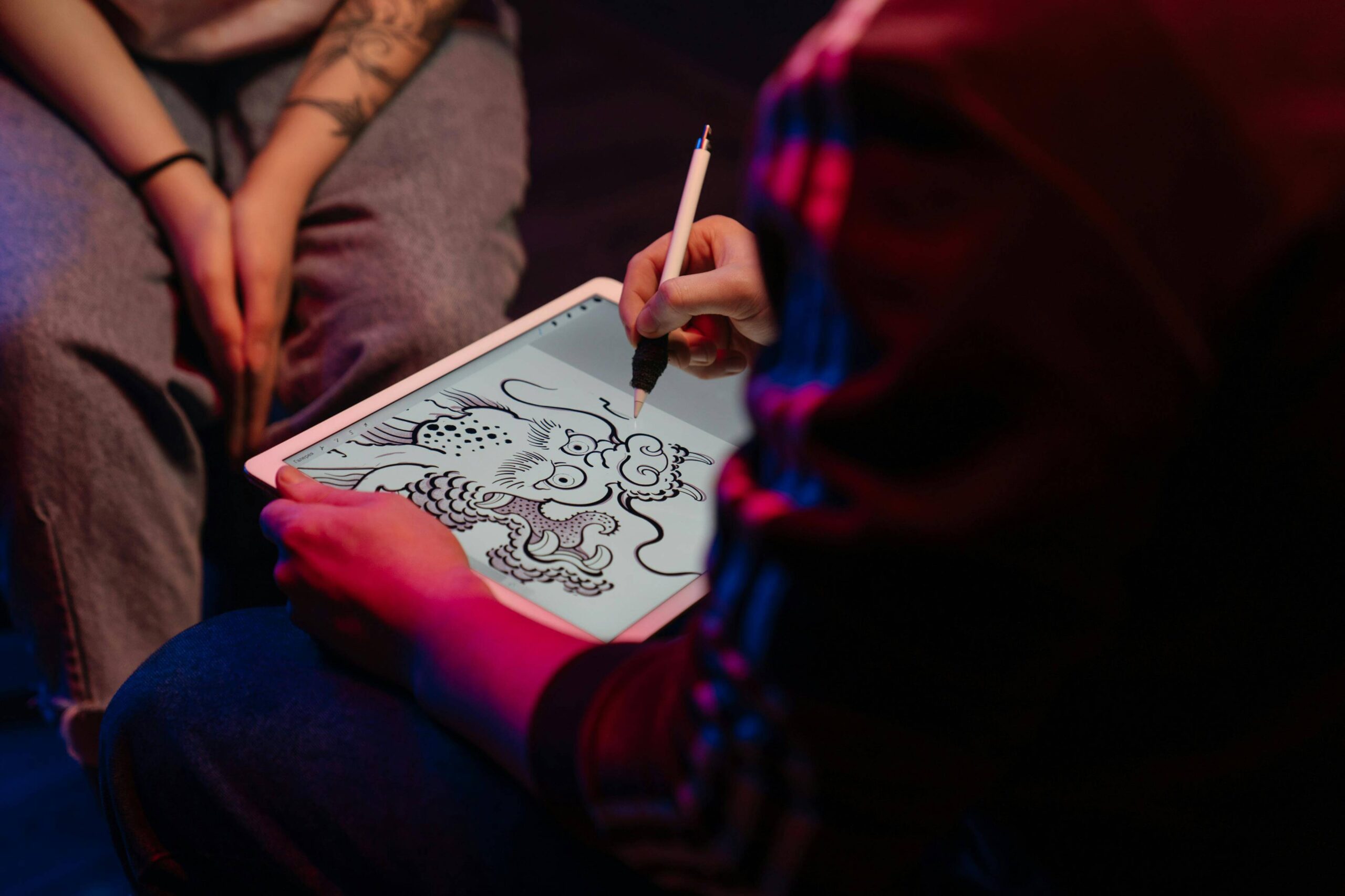
The ultimate goal of growing a digital ink wash painting tool is to develop a personal style. After mastering technical skills and understanding traditional principles, focus on:
-
Consistency: Maintain recognizable patterns and themes in your art.
-
Experimentation: Blend traditional and modern techniques to create a unique voice.
-
Signature Techniques: Develop brush combinations and textures that define your style.
A distinctive personal style not only attracts followers but also positions your work for professional opportunities in illustration, concept art, and digital media.
Conclusion
Growing a digital ink wash painting tool is more than just learning software—it’s about blending tradition with technology. By selecting the right tool, mastering brush dynamics, experimenting with layers and textures, practicing traditional principles digitally, and engaging with the art community, you can create compelling, professional-quality artwork. Continuous learning and experimentation, paired with the development of a personal style, will elevate your digital ink wash art from hobby to mastery.
Digital ink wash painting is a journey of patience, creativity, and innovation. With dedication, any artist can harness the power of this tool to create visually stunning pieces that reflect the beauty and subtlety of traditional ink while embracing the limitless possibilities of digital art.