

Architectural Site Plan Design: Architectural design is more than simply drawing buildings. It involves understanding how structures interact with their surroundings, the environment, and the people who will use them. One of the most important elements in this process is the architectural site plan. A site plan acts as a roadmap that shows how buildings, landscapes, roads, and utilities fit together within a specific area.
Exploring design knowledge in architectural site plans helps architects make informed decisions about layout, functionality, sustainability, and aesthetics. By carefully studying the characteristics of a site, architects can create spaces that are efficient, comfortable, and visually appealing.
Architectural site planning is a critical discipline within Architecture and Urban Planning. It combines technical knowledge, environmental awareness, and creative thinking to design spaces that respond to both human needs and natural conditions.
This article explores the concept of design knowledge in architectural site plans, how architects analyze sites, and why this knowledge plays a vital role in successful architectural projects.
Understanding Architectural Site Plans

A site plan is a detailed drawing that shows the arrangement of buildings and other features on a piece of land. It usually includes elements such as:
-
Building locations
-
Roads and pathways
-
Landscaping and green spaces
-
Parking areas
-
Utilities and drainage systems
-
Property boundaries
Site plans help architects visualize how a project will fit into its surroundings. They also allow planners, engineers, and clients to understand the overall layout before construction begins.
Unlike floor plans, which focus on interior spaces, site plans concentrate on the relationship between the building and the external environment.
The Role of Design Knowledge in Architecture
Design knowledge refers to the expertise, experience, and understanding that architects use to create functional and meaningful spaces.
In architectural site planning, design knowledge involves analyzing multiple factors, including:
-
Environmental conditions
-
Land topography
-
Accessibility and transportation
-
Cultural context
-
Sustainability considerations
Architects apply this knowledge to develop site plans that maximize the potential of a location while minimizing negative impacts on the environment.
For example, an architect might position a building to take advantage of natural sunlight or orient it in a way that improves ventilation and energy efficiency.
Site Analysis: The Foundation of Good Design
Before designing a site plan, architects must conduct a detailed site analysis. This process involves gathering and studying information about the physical and environmental characteristics of the land.
Key aspects of site analysis include:
Topography
Topography refers to the natural shape and elevation of the land. Hills, slopes, and valleys influence how buildings and infrastructure can be placed on a site.
Architects often design structures that follow the natural contours of the land to reduce excavation costs and environmental disruption.
Climate and Environmental Conditions
Climate plays a major role in architectural design. Factors such as sunlight, wind direction, rainfall, and temperature must be considered when developing a site plan.
For instance, buildings may be oriented to maximize natural daylight while minimizing excessive heat from the sun.
Environmental analysis is an important component of Environmental Design, which focuses on creating sustainable and climate-responsive buildings.
Accessibility and Circulation
A well-designed site plan ensures smooth movement for pedestrians, vehicles, and service access.
Architects consider:
-
Entry and exit points
-
Road connections
-
Pedestrian pathways
-
Emergency access routes
Efficient circulation improves safety and convenience for users of the space.
Spatial Organization in Site Planning
Another important aspect of design knowledge in site planning is spatial organization. Architects must carefully arrange buildings and open spaces to create a functional and balanced layout.
Key principles include:
Zoning of Spaces
Different activities require different types of spaces. For example, residential areas, commercial zones, parking areas, and recreational spaces must be organized logically within a site.
Proper zoning helps reduce conflicts between activities and improves usability.
Relationship Between Built and Open Spaces
Successful architectural site plans maintain a balance between buildings and open spaces.
Green areas such as parks, courtyards, and gardens contribute to the aesthetic quality of a site while providing social and environmental benefits.
Urban planners often emphasize the importance of open spaces within modern cities.
Visual and Aesthetic Considerations
Site planning also involves creating visually appealing environments.
Architects may design pathways, landscaping, and building placements to guide views and create harmonious compositions.
A well-planned site enhances the overall architectural experience for residents, visitors, and communities.
Sustainability in Architectural Site Planning
Sustainability has become a central principle in modern architecture. Architects now prioritize environmentally responsible design strategies when developing site plans.
Sustainable site planning may include:
-
Preserving natural vegetation
-
Reducing water runoff through green infrastructure
-
Using renewable energy sources
-
Promoting walkable communities
These strategies are closely related to Sustainable Architecture, a field that focuses on minimizing environmental impact.
By integrating sustainable practices into site plans, architects can help create healthier and more resilient urban environments.
Technology and Digital Tools in Site Planning
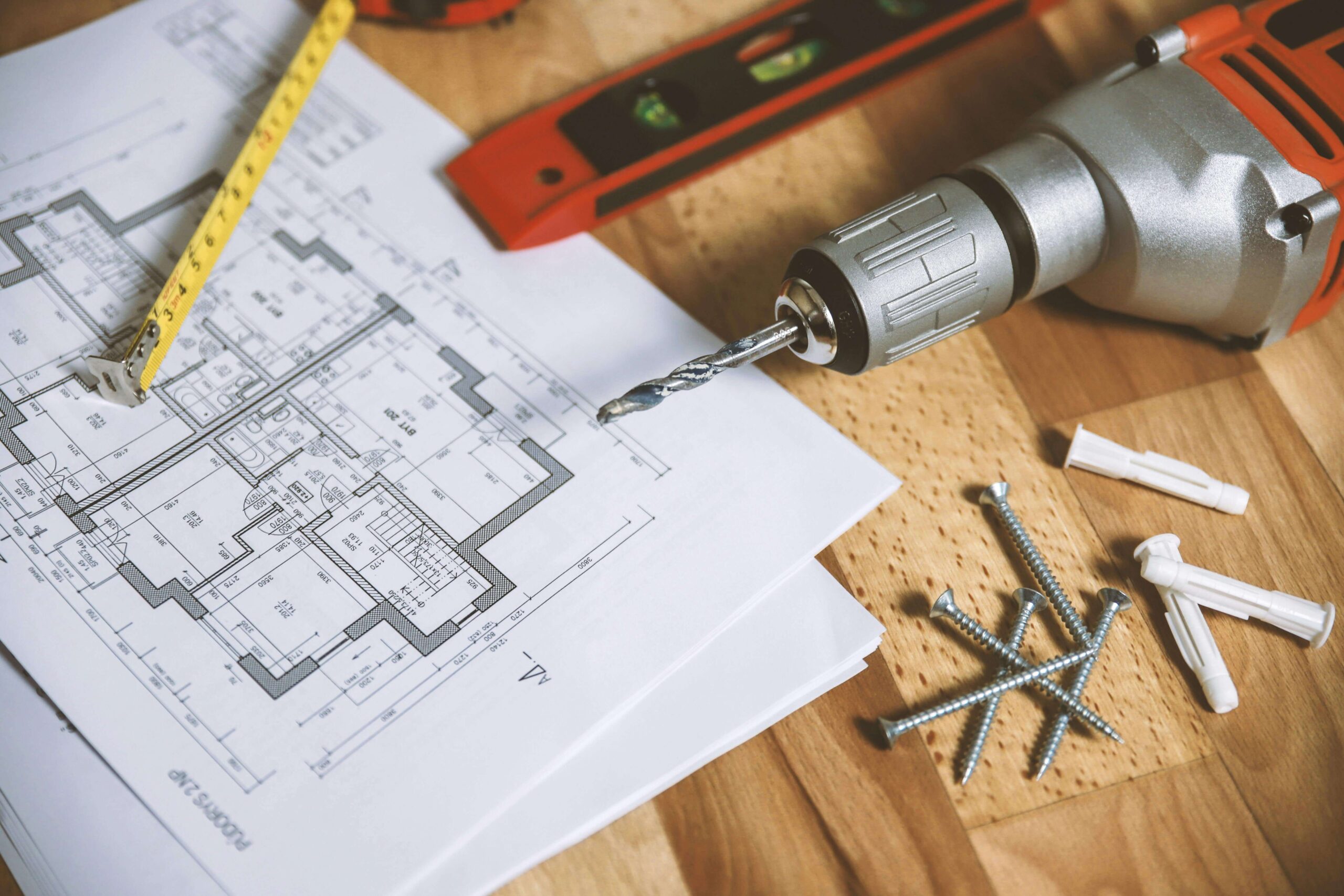
Advancements in technology have transformed how architects design and analyze site plans.
Modern digital tools allow architects to visualize complex environments, simulate environmental conditions, and collaborate with engineers and planners.
Popular technologies used in architectural design include:
-
3D modeling software
-
Geographic information systems (GIS)
-
Building information modeling (BIM)
-
Environmental simulation tools
Software developed by companies like Autodesk enables architects to create detailed digital models of buildings and sites, improving design accuracy and efficiency.
These tools help architects test multiple design solutions before construction begins.
Learning from Case Studies and Precedents
Architects often study existing projects to understand how successful site planning strategies have been applied in real-world situations.
By analyzing case studies, architects can learn valuable lessons about:
-
Space utilization
-
Environmental adaptation
-
Urban integration
-
Community engagement
Studying precedents helps designers refine their own design knowledge and develop innovative solutions for future projects.
The Human Experience in Site Design
Architectural site planning ultimately focuses on creating spaces that serve human needs.
A successful site plan considers how people will interact with the environment and how the design will affect their daily experiences.
Important human-centered considerations include:
-
Comfort and accessibility
-
Safety and security
-
Social interaction
-
Connection with nature
Designs that prioritize human experience contribute to healthier, more livable communities.
Challenges in Architectural Site Planning
Despite its importance, site planning can be complex and challenging.
Architects must often balance multiple competing priorities, including:
-
Budget constraints
-
Regulatory requirements
-
Environmental protection
-
Community expectations
Urban development projects, in particular, require careful coordination between architects, engineers, planners, and government authorities.
Managing these challenges requires both technical expertise and creative problem-solving.
The Future of Architectural Site Planning

The future of architectural site planning is likely to be shaped by new technologies, environmental concerns, and evolving urban lifestyles.
Key trends include:
-
Smart cities and digital infrastructure
-
Climate-resilient urban design
-
AI-assisted architectural planning
-
Increased focus on sustainability
Architects are increasingly using advanced technologies such as Artificial Intelligence to analyze data and optimize design solutions.
These innovations will continue to expand the possibilities of architectural design.
Conclusion
Architectural site planning is a fundamental aspect of successful building design. By exploring design knowledge in site plans, architects gain a deeper understanding of how buildings interact with land, environment, and people.
Through careful site analysis, spatial organization, sustainability strategies, and technological tools, architects can create environments that are both functional and visually compelling.
Fields such as Architecture, Urban Planning, and Environmental Design continue to shape how designers approach site planning in an increasingly complex world.
As cities grow and environmental challenges increase, the role of design knowledge in architectural site plans will become even more important. By combining creativity with technical expertise, architects can design spaces that support sustainable development and improve the quality of life for future generations.