

Human and AI Code Errors: Errors are an unavoidable part of both human thinking and technological systems. In the world of programming and artificial intelligence, mistakes often appear in the form of bugs, faulty logic, or unexpected outcomes. While many people see errors simply as problems to be fixed, philosophers and technology scholars increasingly view them as something deeper: a window into how intelligence itself works.
Human beings make mistakes when reasoning, communicating, or solving problems. Similarly, artificial intelligence systems also produce errors—sometimes generating incorrect answers, flawed predictions, or unexpected results. These parallels raise fascinating philosophical questions about the nature of intelligence, learning, and creativity.
By examining how errors emerge in both human thought and AI-generated code, we can better understand the relationship between humans and machines. Rather than seeing errors purely as failures, we can view them as part of a broader architecture that shapes innovation, learning, and progress.
This article explores the philosophical significance of errors in both human and AI coding systems and what they reveal about the future of artificial intelligence.
Understanding Error in Human Thinking

Human reasoning is complex and often imperfect. People rely on experiences, emotions, and limited information when making decisions. Because of this, mistakes are a natural part of human cognition.
Philosophers have long studied the role of error in knowledge. Throughout history, scientific progress has often emerged from mistakes that led researchers to question assumptions and explore new ideas.
For example, failed experiments sometimes reveal unexpected patterns that inspire new discoveries. In this sense, error is not simply a flaw—it can also be a source of creativity and innovation.
Human errors also occur in programming. Software developers write code that occasionally contains logical mistakes, incorrect syntax, or unintended interactions between components.
Yet the process of identifying and correcting these errors often leads to improved understanding and better software design.
Error in Artificial Intelligence Systems
Artificial intelligence systems also produce errors, but the nature of these errors is different from human mistakes.
AI models generate outputs based on patterns learned from large datasets. While this allows them to perform complex tasks such as writing text or analyzing data, it also means they sometimes produce incorrect or misleading results.
A well-known AI tool that assists with coding and content creation is ChatGPT. While powerful, such systems occasionally generate responses that appear confident but contain inaccuracies.
These mistakes are often called AI hallucinations, where the system produces information that seems plausible but is not grounded in verified facts.
Unlike humans, AI systems do not truly understand their outputs. Instead, they rely on statistical patterns, which can sometimes lead to unexpected results.
The Architecture of Code
To understand errors in AI and human programming, it is useful to think about the concept of code architecture.
Code architecture refers to the structure and design of software systems. It determines how different components interact, how information flows, and how tasks are executed.
Errors can emerge at many levels of this architecture:
-
Logical errors in algorithms
-
Miscommunication between system components
-
Data inconsistencies
-
Unexpected environmental conditions
Both humans and AI systems operate within these architectural constraints.
In human coding, developers create structured instructions that computers follow precisely. However, even small mistakes in these instructions can lead to major system failures.
AI-generated code, on the other hand, is produced by machine learning models trained on large repositories of programming examples. These models can generate useful code snippets but may occasionally introduce errors due to incomplete understanding of the context.
Philosophical Perspectives on Error
Philosophers often argue that error is not simply the absence of truth but an essential part of the process of discovering truth.
In the philosophy of science, mistakes often reveal the limits of existing theories. When predictions fail, scientists are forced to reconsider their assumptions and develop new frameworks.
Similarly, errors in programming and AI systems reveal the boundaries of current technologies.
Rather than seeing mistakes as purely negative, philosophers suggest that they play an important role in intellectual development.
Errors challenge our understanding and encourage deeper exploration.
Human vs. Machine Error
Although both humans and AI systems make mistakes, their errors differ in several important ways.
Intent and Awareness
Human programmers typically understand the goals of their code and can reflect on their mistakes.
AI systems, however, lack self-awareness. When an AI model generates incorrect code or information, it does not recognize the mistake.
Learning from Mistakes
Humans learn from errors through reflection and experience. Programmers often improve their skills by debugging code and understanding why problems occurred.
AI systems also learn from mistakes during training processes, but this learning occurs through statistical optimization rather than conscious reasoning.
Creativity and Error
Interestingly, errors sometimes lead to creative breakthroughs.
In art, music, and software development, accidental discoveries have produced innovative ideas.
AI systems may also generate unexpected solutions when exploring different patterns within training data.
The Role of Debugging
Debugging is the process of identifying and correcting errors in code.
For human programmers, debugging often involves analyzing how a system behaves and tracing the problem back to its source.
Modern developers frequently use AI-powered tools to assist with debugging tasks. Systems such as GitHub Copilot help programmers identify potential issues and suggest code improvements.
However, these tools themselves can introduce errors, highlighting the ongoing interplay between human and machine intelligence.
Debugging therefore becomes a collaborative process between humans and AI systems.
Ethical Implications of AI Errors
Errors in artificial intelligence systems can have significant consequences, especially when these systems are used in critical applications.
For example, AI systems used in healthcare, finance, or autonomous vehicles must operate with high levels of accuracy.
A coding error or incorrect prediction could lead to serious outcomes.
Because of this, researchers and policymakers emphasize the importance of responsible AI development.
Developers must design systems with transparency, testing, and oversight to ensure that errors are detected and corrected quickly.
Learning from Error
Both humans and AI systems improve through processes that involve learning from mistakes.
In machine learning, training models involves adjusting algorithms based on errors in predictions. Over time, the system becomes more accurate.
Similarly, human learning often occurs through trial and error.
Children learn new skills by experimenting, making mistakes, and gradually improving.
This shared pattern suggests that error may be a fundamental component of intelligence itself.
Rather than eliminating mistakes entirely, the goal should be to design systems that learn effectively from them.
The Future of Human–AI Collaboration
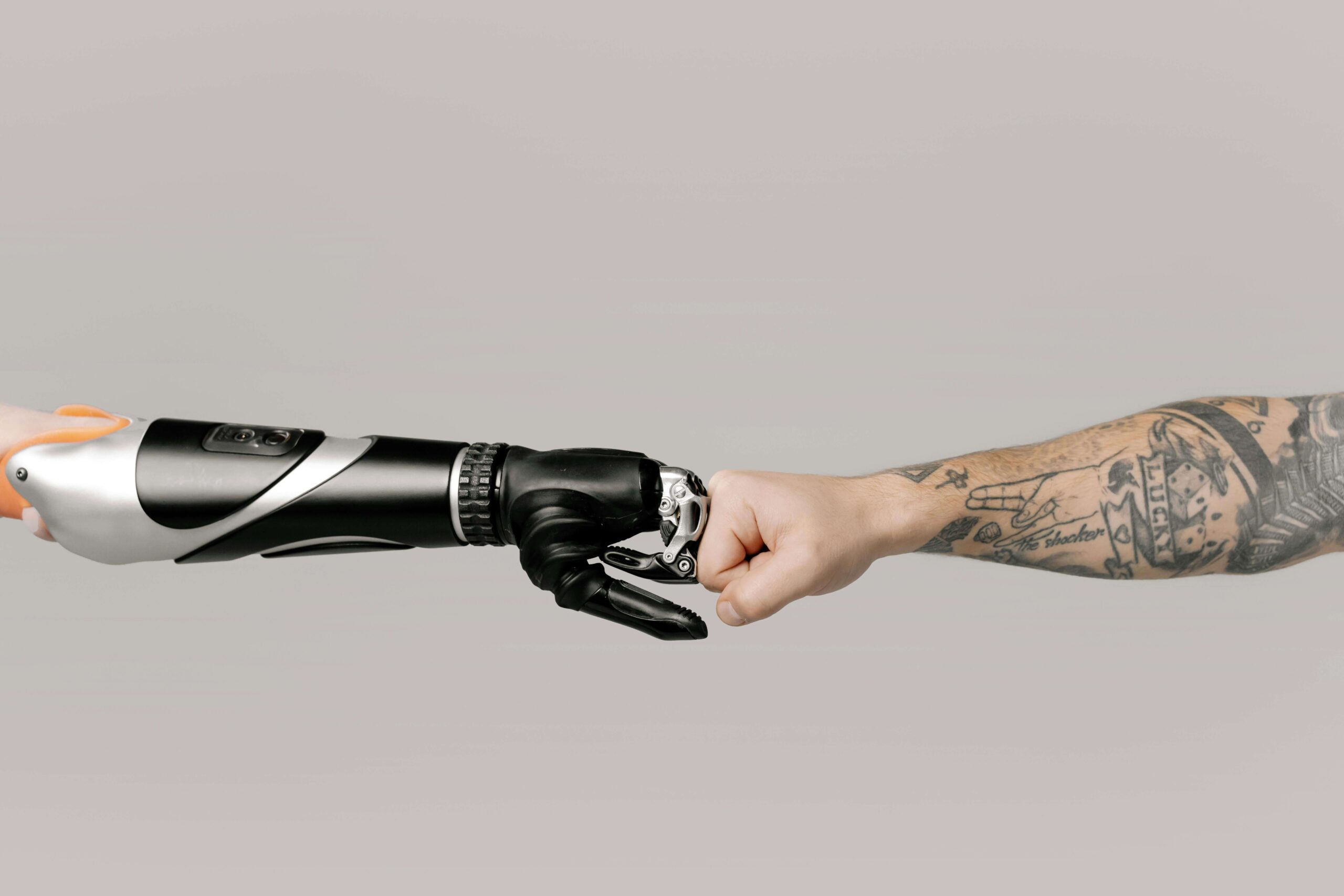
As artificial intelligence becomes more integrated into programming and technology development, collaboration between humans and AI systems will likely increase.
Developers may rely on AI tools to generate code, analyze systems, and identify potential errors.
However, human oversight will remain essential.
Humans bring creativity, contextual understanding, and ethical judgment that AI systems cannot fully replicate.
By combining human intuition with AI computational power, programmers can create more reliable and innovative technologies.
Conclusion
Errors are often viewed as obstacles in programming and artificial intelligence, but they also provide valuable insights into how both humans and machines learn and evolve.
By examining the architectures of error in human and AI code, we gain a deeper understanding of the nature of intelligence itself.
Human programmers make mistakes because of complex reasoning processes, while AI systems produce errors due to limitations in pattern recognition and training data.
Tools like ChatGPT and GitHub Copilot demonstrate how AI can assist with coding tasks, yet they also highlight the importance of human oversight and critical thinking.
Ultimately, error is not simply a flaw to eliminate but a crucial part of learning, creativity, and technological progress.
As humans and AI systems continue to collaborate, understanding and managing errors will remain central to building reliable and intelligent technologies for the future.