


Ethical AI Development Is Important: Artificial Intelligence (AI) is no longer a futuristic concept. It is already part of our daily lives—powering search engines, recommending videos, assisting in medical diagnoses, and even helping businesses make important decisions. As AI systems become more advanced and influential, one question becomes increasingly important: Are we developing AI in a responsible and ethical way?
Ethical AI development refers to designing, building, and deploying AI systems in a way that respects human rights, fairness, transparency, privacy, and accountability. It ensures that technology benefits society without causing harm. In a world where AI systems can influence hiring decisions, loan approvals, medical treatments, and even criminal justice outcomes, ethics is not optional—it is essential.
This article explores why ethical AI development is important and how it shapes the future of technology and society.
Benefits of Ethical AI Development
Ethical AI Development Is Important systems are now used in healthcare, education, finance, transportation, and entertainment. They help doctors detect diseases earlier, assist teachers in personalizing learning, and support businesses in analyzing data. Companies like Google, Microsoft, and OpenAI are investing heavily in AI research and applications.
With such widespread use, AI systems have the power to influence millions—even billions—of people. When decisions are automated, they can affect real lives in significant ways. If an AI system makes a mistake or behaves unfairly, the consequences can be serious. That is why ethical development is crucial.
Preventing Bias and Discrimination

One of the biggest ethical concerns in AI is bias. AI systems learn from data. If the data used to train them contains biases—whether related to race, gender, age, or socioeconomic status—the AI may replicate and even amplify those biases.
For example, if a hiring algorithm is trained on historical data where certain groups were underrepresented, it may unfairly reject qualified candidates from those groups. This can reinforce discrimination instead of reducing it.
Ethical AI development requires:
- Careful selection of training data
- Regular bias testing
- Diverse development teams
- Continuous monitoring
Protecting Privacy and Personal Data
AI systems rely heavily on data. From browsing habits to medical records, vast amounts of personal information are collected and analyzed. Without proper safeguards, this data can be misused or exposed.
Ethical AI development ensures that:
- User data is collected transparently
- Consent is obtained clearly
- Information is stored securely
- Data usage is limited to necessary purposes
Ensuring Transparency and Explain-ability
Many AI systems, especially those based on deep learning, operate as “black boxes.” They provide answers or decisions without clearly explaining how they arrived at them. This lack of transparency can be problematic, particularly in sensitive areas like healthcare or law enforcement. If an AI system denies someone a loan or recommends a medical treatment, people deserve to understand why.
Ethical AI development promotes:
- Clear explanations of AI decisions
- Accessible documentation
- Open communication about limitations
Accountability and Responsibility
When an AI system causes harm, who is responsible? The developer? The company? The user? Ethical AI frameworks emphasize accountability. Developers and organizations must take responsibility for the systems they create and deploy. This includes:
- Conducting risk assessments
- Testing systems thoroughly before release
- Providing channels for feedback and complaints
- Correcting errors promptly
Without accountability, trust in AI technologies can quickly erode.
Preventing Harm and Misuse
Ethical AI Development Is Important technology can be used for both positive and harmful purposes. For example, AI can help doctors detect cancer early, but it can also be used to create deepfakes or manipulate public opinion. Ethical AI development involves anticipating potential misuse and implementing safeguards. This might include:
- Limiting access to sensitive AI tools
- Monitoring harmful applications
- Setting clear usage guidelines
By considering possible risks in advance, developers can reduce negative impacts
Ethical AI Development and Data Privacy
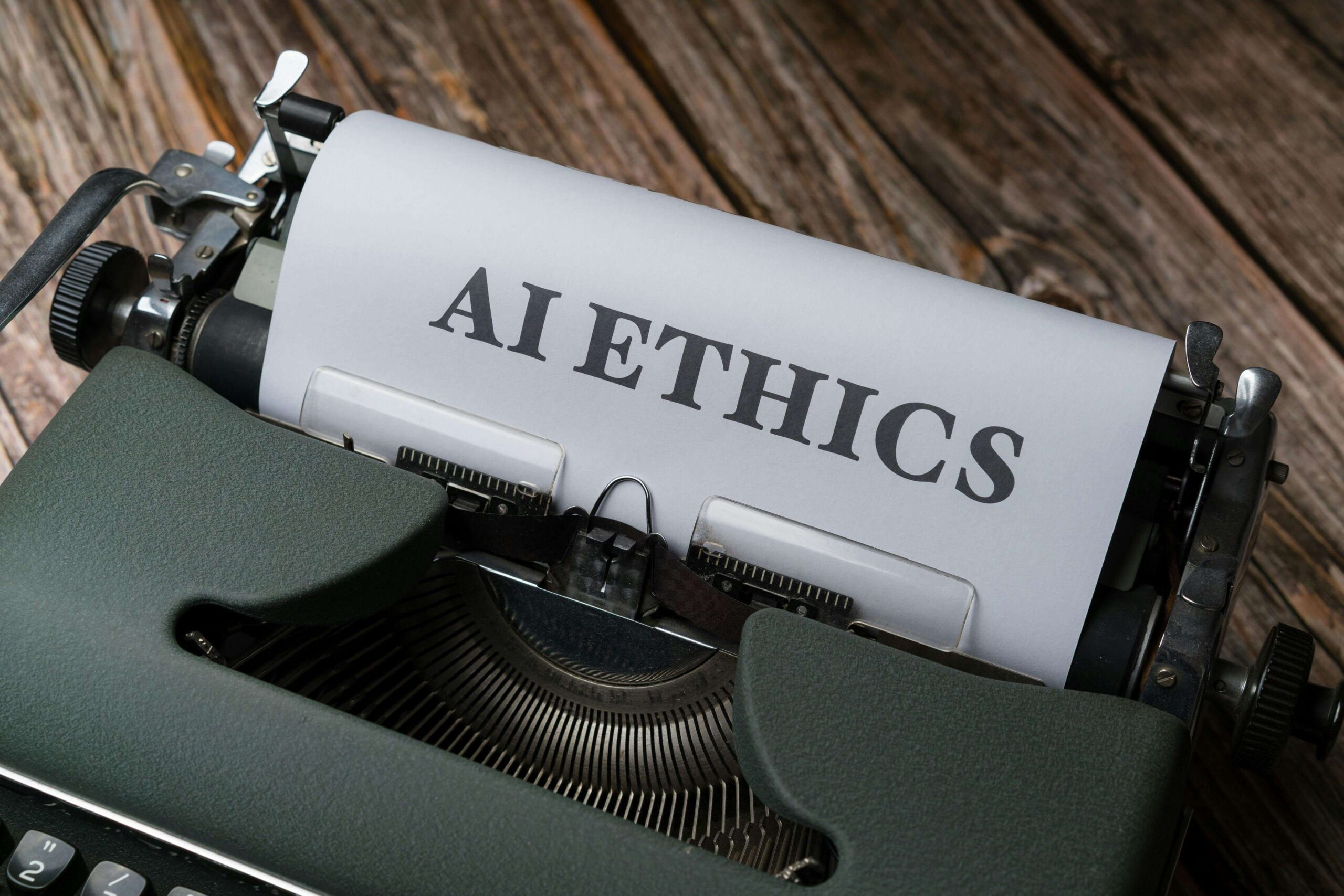
Trust is essential for the success of any technology. If people fear that AI systems are biased, invasive, or unpredictable, they may resist using them. Ethical development builds trust by demonstrating that AI systems are designed with human well-being in mind. Companies that prioritize ethical standards often gain stronger reputations and long-term customer loyalty. When users trust AI systems, adoption increases, and innovation continues more smoothly.
Conclusion: Supporting Human Rights
AI systems must respect fundamental human rights, including dignity, freedom of expression, and equal opportunity. For example, surveillance technologies powered by AI can threaten privacy and freedom if misused.
- Ethical AI development ensures that:
- Technologies do not violate human rights
- Systems are aligned with democratic values
- Vulnerable communities are protected
Governments and international organizations are increasingly working on AI guidelines to safeguard these rights.